
Congenital heart defects and pediatric cardiology at the DHZC
We offer an individualized, highly specialized treatment of congenital heart defects for patients of all ages from all countries worldwide with conditions of any severity.
We speak German, English, Russian, Arabic, Turkish, and Chinese, among other languages. Our International Office will be happy to help you book the right treatment for you at our clinic. After initial contact, we will ask you for all the information we need for your treatment and send you a quote as soon as possible.
Please feel free to contact us at any time if you have any questions!
About the DHZC
The Deutsches Herzzentrum der Charité (DHZC) ("German Heart Centre at Charité") in Berlin is a specialist clinic for cardiovascular diseases. We are one of the largest and leading centres in Europe for the treatment of congenital heart defects and paediatric cardiology. For over 35 years, we have cared for children, adolescents and adults with congenital heart defects, providing everything from initial diagnosis and specialised procedures to lifelong follow-up care.
Patients with congenital heart defects require lifelong medical advice and care. Our highly qualified specialist staff are always there for these patients.
You're in the best hands with us
Your benefits at a glance
- We have exceptional experience and expertise in paediatric cardiology.
- Wherever possible, we perform minimally invasive procedures to shorten treatment time and enable optimal recovery.
- Our patients benefit from long-term, lifelong care that adheres to the latest medical standards.
- We guarantee the highest quality and safety standards, as well as personalised therapy for each patient.
- We have an excellent international network and actively exchange knowledge with the world's leading heart clinics.
We are committed to excellence
As part of Charité – Universitätsmedizin Berlin, we can take advantage of all the benefits and opportunities offered by a university hospital. We collaborate closely with various specialist disciplines and research areas at Charité, and our network is excellent. We have access to the latest diagnostic and tre
Nearly all of our senior physicians are highly qualified experts with many years of experience. Research and further development form an integral part of our identity. We regularly publish the results of our work in international journals.
Our team develops an individual treatment plan for each patient—even if they have already undergone treatment or surgery. The focus is not only on the best possible diagnosis and treatment, but also on long-term, continuous medical care for patients.
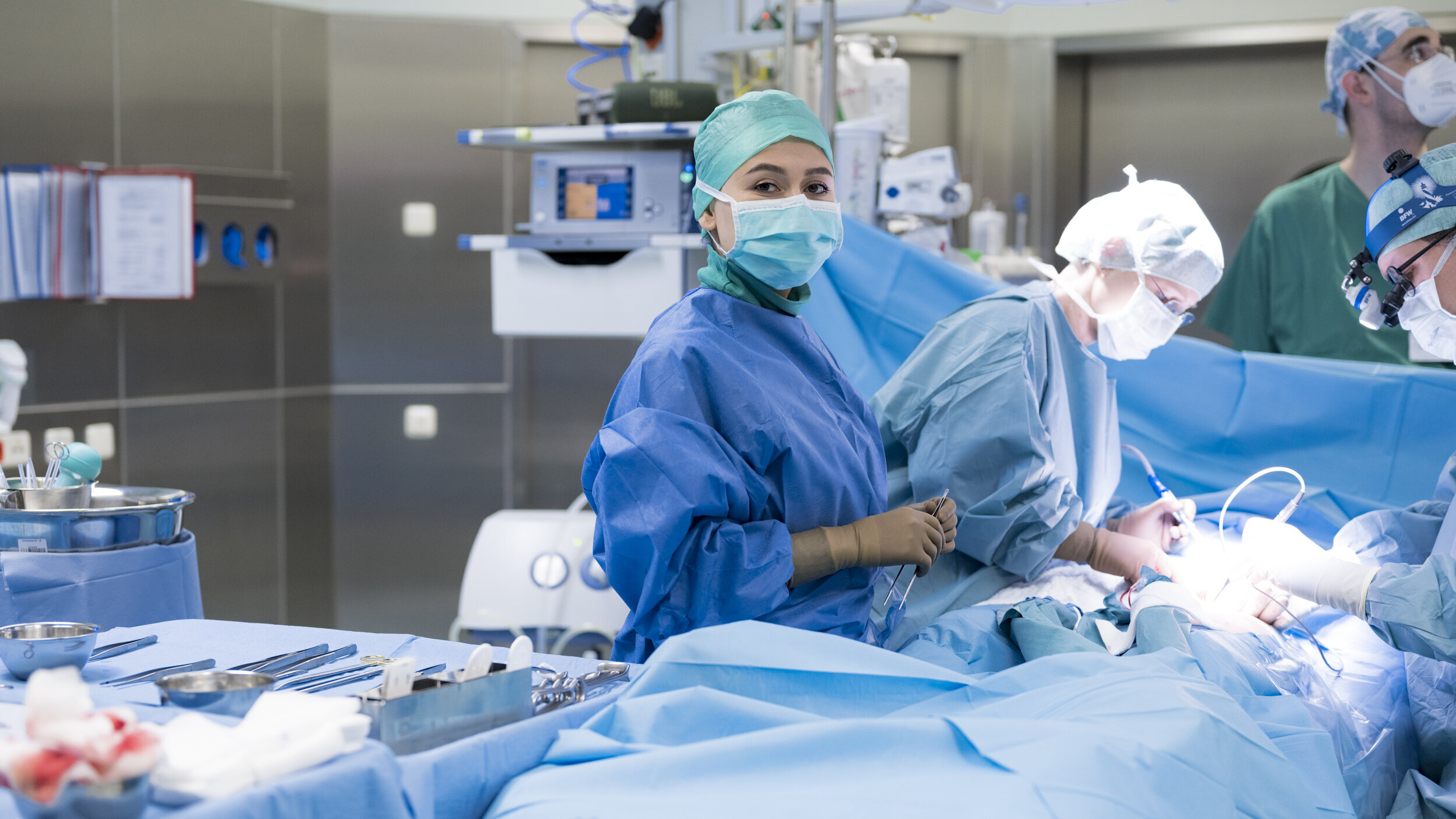
We only use products certified with CE marking for our procedures, interventions and operations.
All DHZC clinics meet the highest quality standards and are certified by independent external bodies according to their specialist fields.
We only use products certified with CE marking for our procedures, interventions and operations.
All DHZC clinics meet the highest quality standards and are certified by independent external bodies according to their specialist fields.
Minimally invasive procedures
At DHZC, we use minimally invasive, catheter-assisted procedures whenever possible. Instead of large incisions, we prefer to work with very small skin incisions barely visible in the armpit, as well as video-assisted access. This offers our patients significant advantages:
- Faster healing due to less stress on the body
- Smaller wounds mean less pain anda lower risk of infection
- Cosmetically gentle: scars are small and often barely visible
- Rapid recovery and a shorter hospital stay
- Excellent medical results that are at least comparable to, and often even better than, those achieved with conventional procedures.
This is how we combine cutting-edge technology with the utmost safety and consideration for our patients' well-being.
We use these minimally invasive procedures to close holes or defects, treat narrowings and stenoses, and replace heart valves, to name a few. Below, we provide an overview of our techniques.
We use state-of-the-art occluders featuring the latest technology, including:
(Copyright: Occlutech)
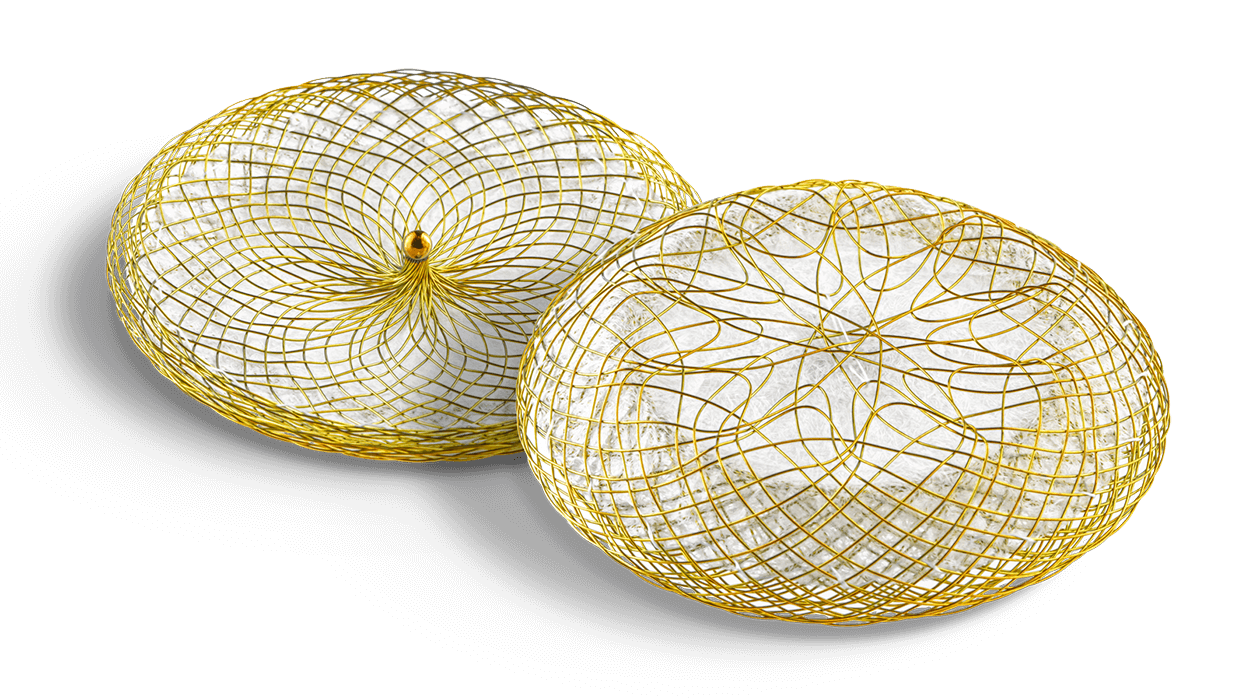
(Copyright: Occlutech)
Occluders for closures
An occluder is a small, plug- or umbrella-shaped medical implant that is inserted into the heart via a catheter to close an unnecessary opening or hole. This prevents blood from flowing through the heart in the wrong place and stops blood clots reaching the brain. We use the occluder technique to gently and safely treat various conditions, including
- Atrial septal defects (ASD)
- Persistent foramen ovale (PFO)
- Ventricular septal defects (VSD)
- Persistent ductus arteriosus (PDA)
We use a special type of occluder called the Piccolo Umbrella (trade name Amplatzer Piccolo Occluder), primarily for PDA closures in premature babies or newborns with a very low body weight.
We treat patients of all ages with congenital heart defects. We can perform PDA closure even in newborns. We can perform ASD and VSD closures on patients from toddler age onwards.
Extensive experience and routinely use
In 2023 and 2024, we performed, among other things
- 202 ASD and PFO closures
- 98 PDA closures and
- 12 VSD closures.
Manufacturers and suppliers
For VSD closures:
For ASD closures:
For PDA closures:
Stents for narrowings
A stent is a small, tube-shaped, mesh scaffold made of metal or plastic that is inserted into a blood vessel or heart structure via a catheter. It is used to keep a narrowing open or stabilise a connection. We use stents in our procedures to bypass narrowed areas or keep vessels open. When treating children and adolescents, we primarily use growth-capable, balloon-expandable stents. The decision to use them is made on an individual basis, depending on the patient's diagnosis, age and size.
Implants for valve replacement
Our range of treatments also includes the catheter-assisted implantation of pulmonary valves. Replacing the pulmonary valve via cardiac catheterisation is a gentle, minimally invasive treatment method for patients. State-of-the-art valve models unfold themselves after being inserted into the body, adapting to the patient's anatomy.
To replace the pulmonary valve, we use Melody, Edwards, VenusP or Harmony valves, among others.
The DHZC is a leading centre for interventional pulmonary valve replacement and was one of the first three centres in Germany to use a new self-expanding pulmonary valve prosthesis. The new Harmony valve prosthesis enables catheter-assisted valve replacement for the first time, including for larger diameters of up to 38 mm. This significantly expands treatment options, as previous catheter-based systems were not suitable for many patients due to their anatomical conditions.
2. Hybrid procedures
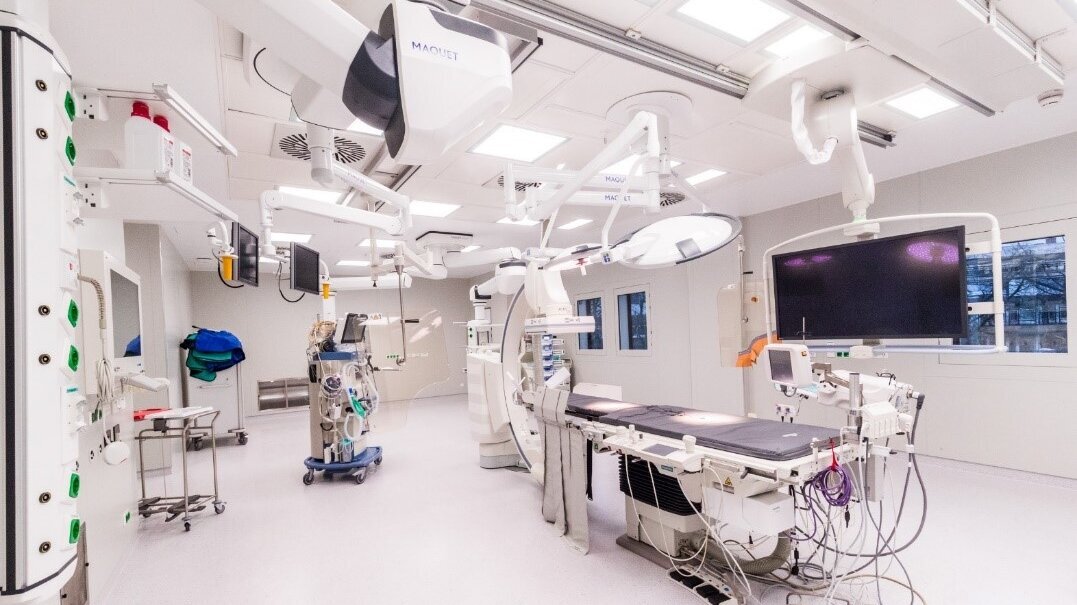
In a hybrid operating room (or "Hybrid-OP"), various minimally invasive, catheter-based and surgical procedures are combined to ensure the best possible treatment. Hybrid operating rooms offer a major advantage, particularly in cases of congenital heart defects, where the anatomy is often complex and interventions are challenging. They enable a flexible, less invasive approach while allowing for a quick response to unexpected complications. The aim is to combine the benefits of both access methods and reduce stress and health risks for patients.
Typical procedures performed on patients with congenital heart defects in hybrid operating rooms include:
- Interventional procedures for the treatment of ventricular septal defects (VSD)
- Transcatheter pulmonary valve implantations
- Aortic and pulmonary artery stenosis
- Stent implantations for complex defects
Advantages of a hybrid operating room for our patients:
- Less stress: n many cases, the hybrid operating theatre enables less invasive treatment, reducing stress, especially for children, and shortening recovery time.
- Rapid responsiveness: f it becomes apparent during an intervention that a minimally invasive procedure is insufficient, it is possible to quickly switch to open surgery.
- Greater precision: Modern imaging techniques allow procedures to be performed with greater precision and safety.
- Multidisciplinary collaboration: The hybrid operating theatre brings together cardiologists, cardiac surgeons and anaesthetists, ensuring the best possible care for patients.
At the DHZC, we have three hybrid operating rooms and experienced staff who have received special training.
Hybrid operating rooms at the DHZC
Hybrid operating rooms are highly specialised operating rooms equipped with a special X-ray machine. This allows complex procedures to be performed under surgical conditions and under X-ray fluoroscopy.
Hybrid operating rooms at the DHZC
Hybrid operating rooms are highly specialised operating rooms equipped with a special X-ray machine. This allows complex procedures to be performed under surgical conditions and under X-ray fluoroscopy.
3. Highly complex anatomies and morphologies
We have many decades of unique experience in treating complex anatomies and morphologies.
Valve-preserving & reconstructive therapy
We specialise in treating tetralogy of Fallot and Ebstein's anomaly with cono procedures, as well as performing highly complex operations such as Ross-Konno procedures, rotation of the truncus arteriosus (half-turn), and double switch operations.
4. Cosmetically friendly operations
In many cases, we can perform heart surgery at our clinic through a small incision on the side below the right arm, thus avoiding the need to cut through the sternum. This spares our patients from growing up with a large scar on their chest that stigmatises them as ‘heart patients’ for the rest of their lives, even though the heart defect could have been corrected long ago.
Examples of these procedures include lateral thoracotomies (keyhole technique) for ASD, VSD, partial anomalous pulmonary venous drainage (PAPVD) or valve operations, which we perform routinely and with great experience.
5. Treatment of Univentricular Hearts
Our specialists have extensive experience in the surgical treatment of univentricular hearts, from Norwood surgery to Fontan procedures. Patients born with a univentricular heart – also known as a 'single ventricle heart' – have both their pulmonary and systemic circulations supplied exclusively by the left ventricle. This means that the heart is unable to separate the blood circulation properly, leading to significant problems with the body's oxygen supply. These patients require complex, individually tailored lifelong treatment at a specialised heart centre.
At the DHZC, we provide the highest level of care for such patients. We also care for patients who have already undergone cardiac surgery or interventional procedures, and we have extensive experience in optimising complex pre-treatment.
A particular focus at the DHZC is the aftercare of patients with univentricular hearts following Fontan surgery. Our specialised Fontan outpatient clinic offers structured long-term aftercare for this purpose. We also operate our own heartrhythm outpatient clinic for diagnosing and treating cardiac arrhythmias.
Certified EMAH centre
Since 2011, the Clinic for Congenital Heart Defects – Paediatric Cardiology (part of DHZC) has been certified as a supraregional EMAH centre for the care of adults with congenital heart defects (Erwachsenen mit angeborenen Herzfehlern).
We provide EMAH patients with the highest standard of medical care throughout their lives.
Certified EMAH centre
Since 2011, the Clinic for Congenital Heart Defects – Paediatric Cardiology (part of DHZC) has been certified as a supraregional EMAH centre for the care of adults with congenital heart defects (Erwachsenen mit angeborenen Herzfehlern).
We provide EMAH patients with the highest standard of medical care throughout their lives.
6. Treatment of Severe Heart Failure
We offer the entire spectrum of modern treatment for children with severe heart failure: from extracorporeal membrane oxygenation (ECMO) to mechanical circulatory support systems of all kinds (short- and long-term systems to complete heart replacement with an artificial heart) to heart transplantation (HTX). The Eurotransplant Foundation is responsible for allocating all donor organs that are removed in eight European countries, including Germany. We have also been achieving very good results with these highly complex treatments for many years.
DHZC is a certified EMAH centre
Since 2011, the Clinic for Congenital Heart Defects – Paediatric Cardiology ("Klinik für Angeborene Herzfehler - Kinderkardiologie", part of DHZC) has been certified as a supraregional EMAH centre for the care of adults with congenital heart defects. We provide our patients with highly specialised care, the best possible diagnostics and therapy, and ongoing research. Our experts are permanent contacts for EMAH patients. This fosters trust and security, and ensures continuous, personalised treatment.
The EMAH centre at the Clinic for Congenital Heart Defects – Paediatric Cardiology at the DHZC is one of the world's leading EMAH centres. We support and treat patients with congenital heart defects from their teenage years into adulthood. We have all the latest diagnostic and imaging procedures at our disposal.
We specialise in the highly complex care of EMAH patients with severe heart failure and complex heart defects. We also specialise in caring for EMAH patients with cardiac arrhythmias, pregnant EMAH patients, and patients with pulmonary hypertension associated with a congenital heart defect.
We work closely with the Centre for Prenatal Medicine at the Charité's Department of Obstetrics. As a university perinatal centre providing the highest level of care (Level 1), the clinic has a neonatal intensive care unit and treats babies born prematurely with a very low birth weight.
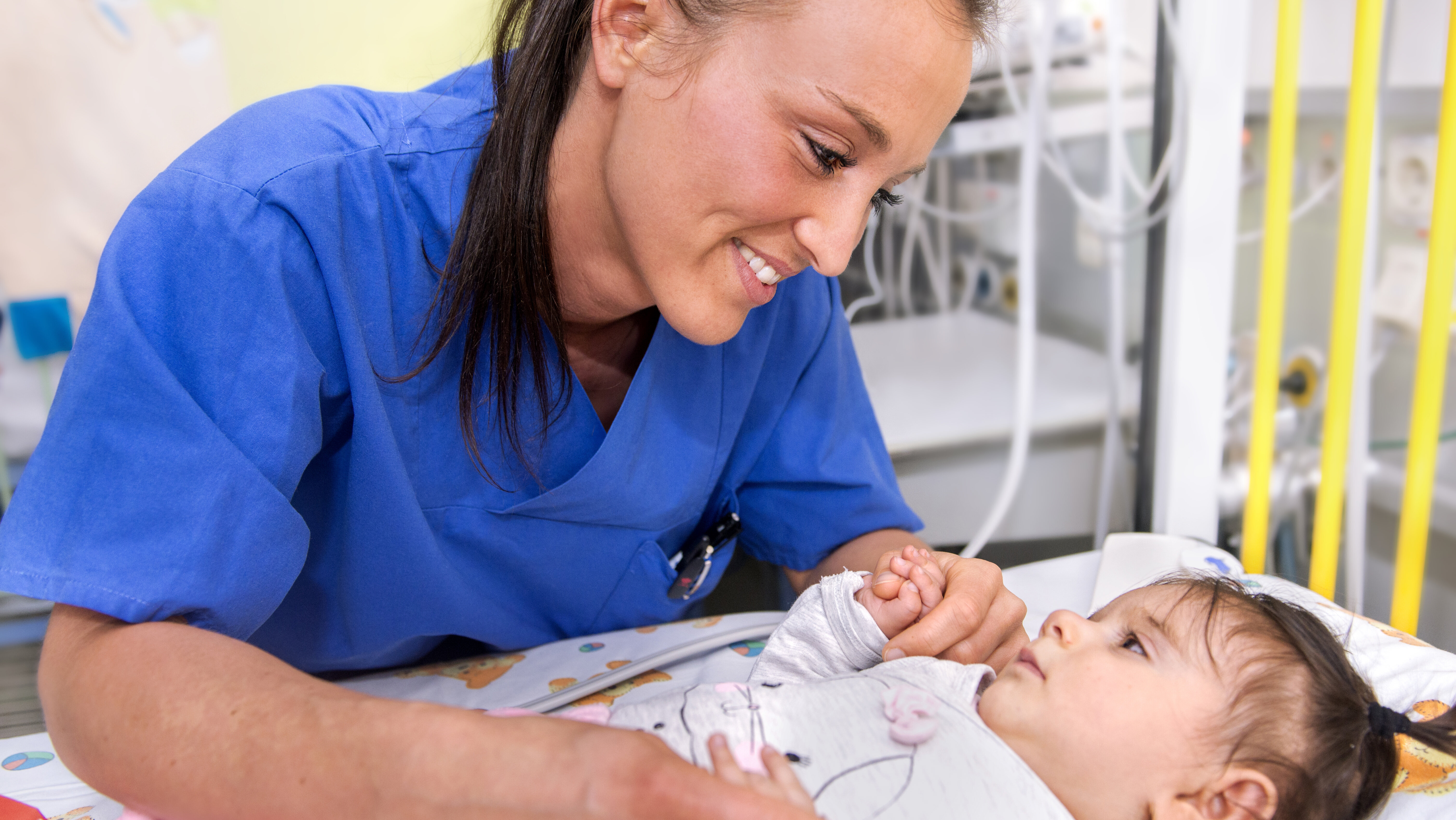
We work closely with the Centre for Prenatal Medicine at the Charité's Department of Obstetrics. As a university perinatal centre providing the highest level of care (Level 1), the clinic has a neonatal intensive care unit and treats babies born prematurely with a very low birth weight.
7. Less donor blood & mini heart-lung machines
Administering blood transfusions is a sensitive issue, particularly for infants and young children. That is why we do everything we can to avoid them. Thanks to our decades of expertise and modern blood-saving techniques, such as retrograde autologous priming (RAP) and cell saver systems, we can often perform major cardiac surgery, even on newborns, without the use of donor blood. These specialised techniques are particularly gentle and give parents additional peace of mind.
Our heart-lung machine, which has the world's smallest filling volume, enables us to perform surgery in the majority of cases without transfusing donor blood, which has considerable advantages. This allows us to minimise the risks of infection and intolerance and often enables our patients to recover more quickly after surgery.
This special 'mini heart-lung machine' with a filling volume of less than 100 millilitres enables us to routinely operate on newborns with congenital heart defects without using donor blood. Avoiding blood transfusions also reduces the time required for ventilation and time spent in intensive care after surgery.
The heart-lung machine is operated by experienced, specially trained cardiotechnicians. They support the treatment of acutely ill patients in all areas of cardiac medicine and are deployed at the DHZC, for example, in cardiac surgery operating theatres, intensive care units, and other inpatient areas. As well as controlling the heart-lung machine, these experts work with systems for medium- to long-term circulatory support, as well as with pacemakers and defibrillators.
8. Permanent & integrated support
Some patients require multiple operations for various reasons. Many of these repeat operations are predictable; we know during the initial procedure that some patients will require further surgery. If a follow-up operation is likely, special membranes are inserted during the initial procedure to minimise scarring or protect certain implants. This makes the second operation easier and safer.
Even after a successful operation, we continue to support our patients in the long term – right into adulthood. At our specialist EMAH centre for adults with congenital heart defects, we combine state-of-the-art diagnostics with years of experience to provide safe care at every stage of life.
You're in the best hands with us
Your benefits at a glance
- We have exceptional experience and expertise in paediatric cardiology.
- Wherever possible, we perform minimally invasive procedures to shorten treatment time and enable optimal recovery.
- Our patients benefit from long-term, lifelong care that adheres to the latest medical standards.
- We guarantee the highest quality and safety standards, as well as personalised therapy for each patient.
- We have an excellent international network and actively exchange knowledge with the world's leading heart clinics.
Contact
We will get in touch with you as soon as possible after you first contact us.
- We will send you detailed information about the documents we need immediately.
- We will then discuss with you what further steps are necessary for treatment at the DHZC.
- Our international team and the treating doctors are also available for video conferences if required.
- We speak German, English, Russian, Arabic, Turkish and Chinese, among other languages.
The ‘International Patients’ team provides support to self-paying patients with cost estimates, official letters of invitation for submission to the German Embassy in their country, visa applications and accommodation in our guest house. The team is also happy to recommend interpreters for other languages, especially Arabic and Chinese, on request.
Your point of contact
Feruza Merdes
Your enquiry to our team:
Availability:
Mon - Fri: 8:00 a.m. – 4:00 p.m., CET (GMT+2)
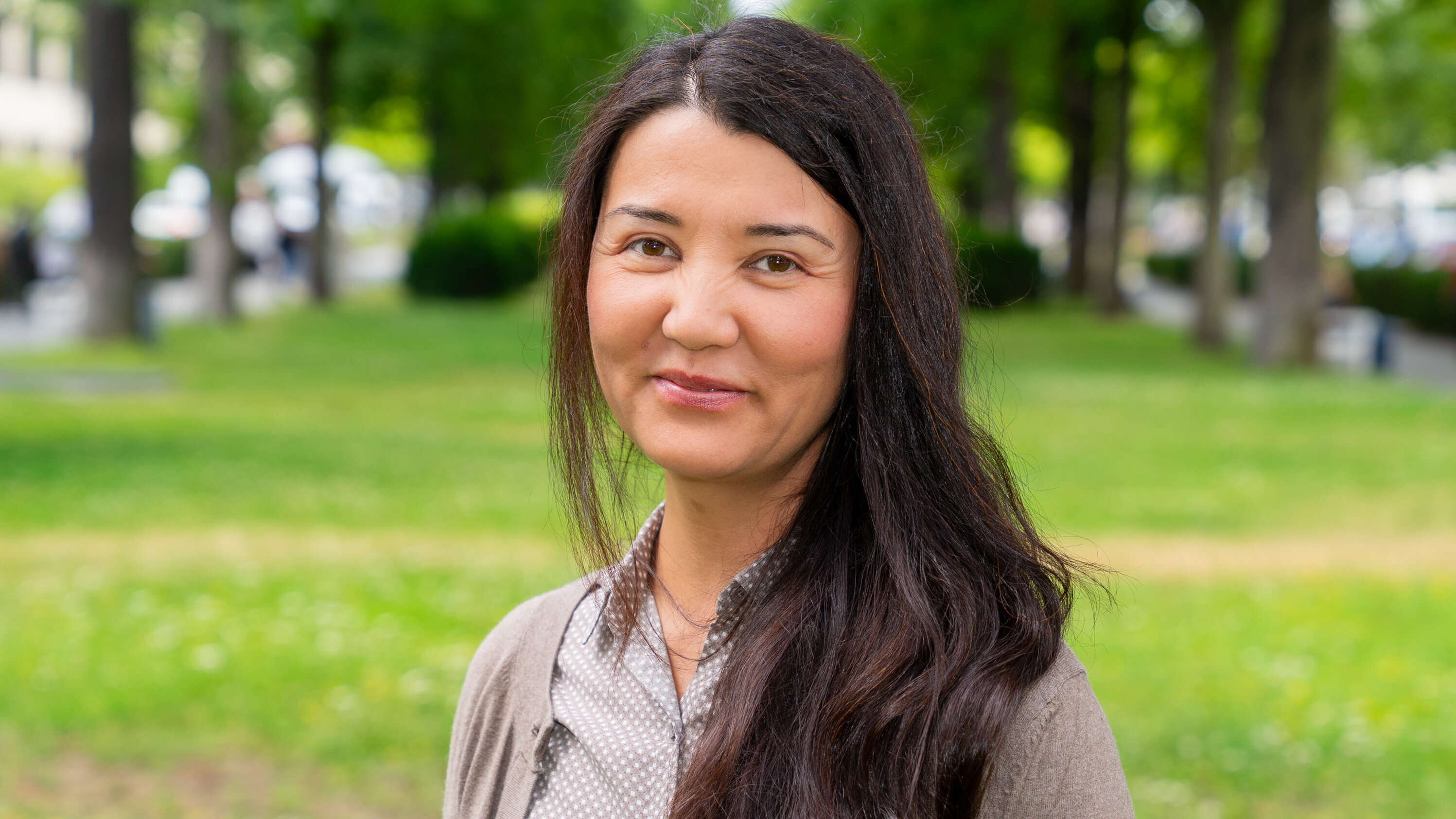
Your point of contact
Feruza Merdes
Your enquiry to our team:
Availability:
Mon - Fri: 8:00 a.m. – 4:00 p.m., CET (GMT+2)
