
Many procedures can now be performed on an outpatient basis—safely, with excellent care, and in close coordination with the DHZC.
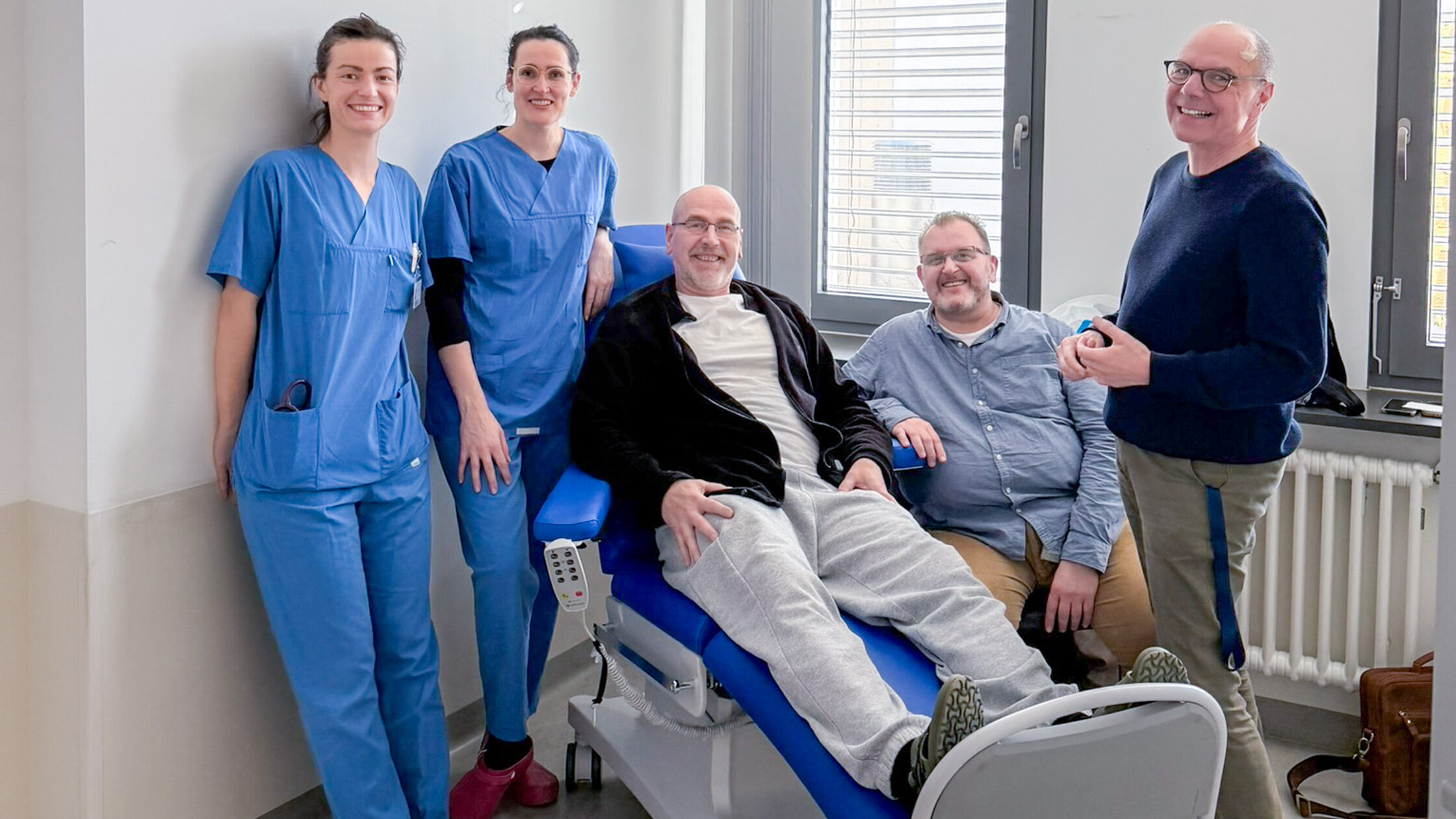
Many procedures can now be performed on an outpatient basis—safely, with excellent care, and in close coordination with the DHZC.
In the past, ablation of cardiac arrhythmias almost always required at least one overnight stay in the hospital. Today, this is no longer necessary in many cases. Modern techniques, clearly structured procedures, and close monitoring make it possible for some patients to go home the same day.
The key factor here is not speed, but safety: Patients treated on an outpatient basis are carefully selected, monitored after the procedure, and provided with clear points of contact for the time they spend at home.
Same-day treatment
Was „Same-day-discharge“ bedeutet
With “same-day discharge,” you come in for your ablation procedure as scheduled and—if everything goes smoothly—you can go home the same day.
After the procedure, you will remain under our care for a set period of time. You will be discharged only once all follow-up checks are normal and you are feeling well.
This is a good option for many patients today—but not for everyone. The decision on which form of treatment is right for you is always made on an individual basis.
Why this is possible today
Modern methods, less stress
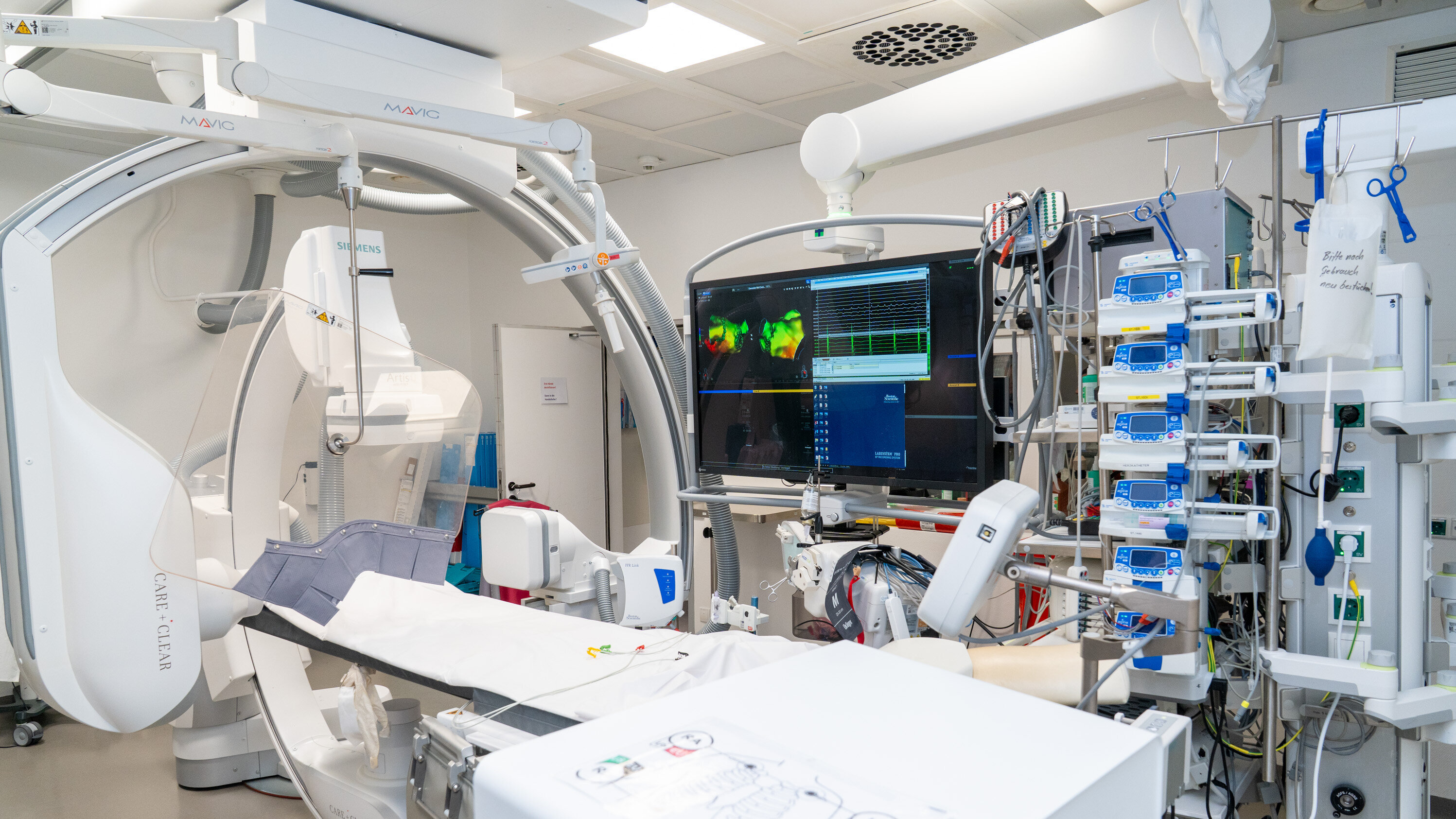
Modern methods, less stress
Ablation procedures have advanced significantly in recent years:
- The procedures have become significantly shorter: In the past, an atrial fibrillation ablation could take up to two hours. Today, thanks to new technologies at the DHZC, we perform these procedures in less than an hour—just as effectively and even more safely.
- We only need to puncture the femoral veins rather than the arteries, which leads to fewer groin complications.
- Pressure bandages are no longer used. We work with sutures and closure systems, which are removed shortly after the procedure.
- All procedures are clearly standardized. Written guidelines (known as Standard Operating Procedures, SOPs) describe the entire patient care process in detail, from planning and preparation through the performance of the procedure to follow-up care and discharge. This definition of consistent processes ensures clarity and safety.
For many planned, uncomplicated procedures, this means that an overnight stay in the hospital is often no longer necessary.
Who is eligible
A customized solution instead of a one-size-fits-all approach
Not every cardiac catheterization procedure is suitable for same-day discharge.
The following procedures are primarily suitable for outpatient care:
- Ablations performed in the atria of the heart, such as for atrial fibrillation
- Arrhythmias originating in the ventricles can only be treated on an outpatient basis in rare cases
Patients generally remain hospitalized for:
- more complex procedures
- treatments with increased risk
- situations in which prolonged monitoring is advisable
Important: The decision is always made on an individual basis—together with you and based on your medical situation.
Here's how your day will go
Well prepared. Clearly structured.
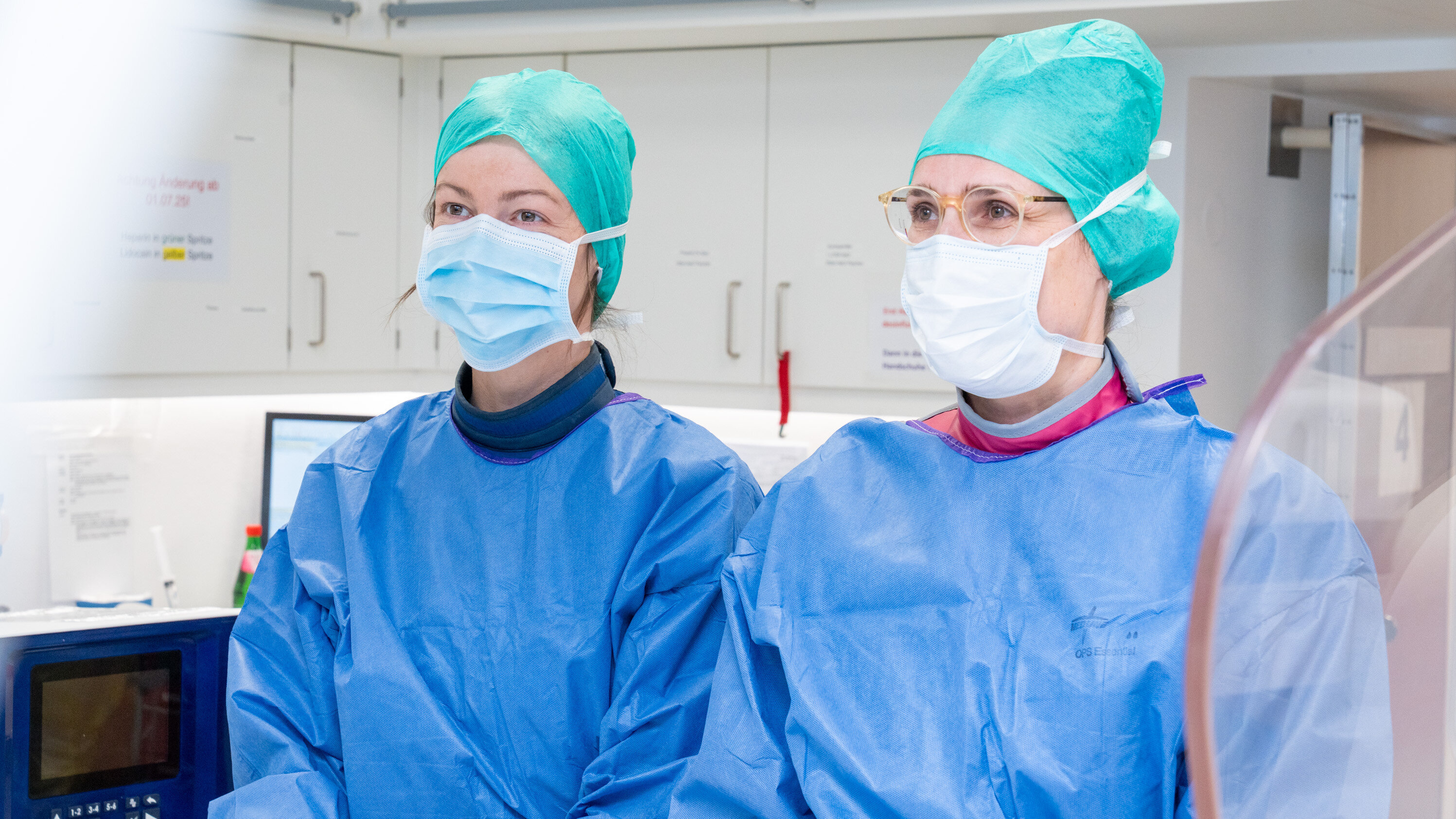
Well prepared. Clearly structured.
Before the procedure, we will go over all the important details with you: medications, the procedure itself, and what to expect afterward.
The procedure itself is typically performed:
- with a sedative or anesthetic (e.g., propofol)
- under continuous monitoring
After the ablation:
- you will stay with us for a few hours for observation
- your circulation and the puncture site will be checked regularly
- you will rest in a comfortable area with reclining chairs
Finally:
- we will discuss the results with you
- you will receive clear instructions for home care
- we will arrange for your safe discharge
- you will be picked up by a friend or relative who will also assist you for the next 24 hours.
When staying overnight does make sense
Safety always comes first
Even if an outpatient procedure is planned, it may become apparent during or after the procedure that inpatient monitoring is advisable.
In that case, you will, of course, remain with us.
Same-day discharge is therefore not a firm promise, but rather an approach that is consistently guided by your safety.
Maren Oehlke, a physician assistant, is part of this team and plays a key role in organizing and supporting your follow-up care. She helps ensure that procedures are easy to understand, answers any questions you may have, and makes sure you feel well cared for throughout your entire treatment.
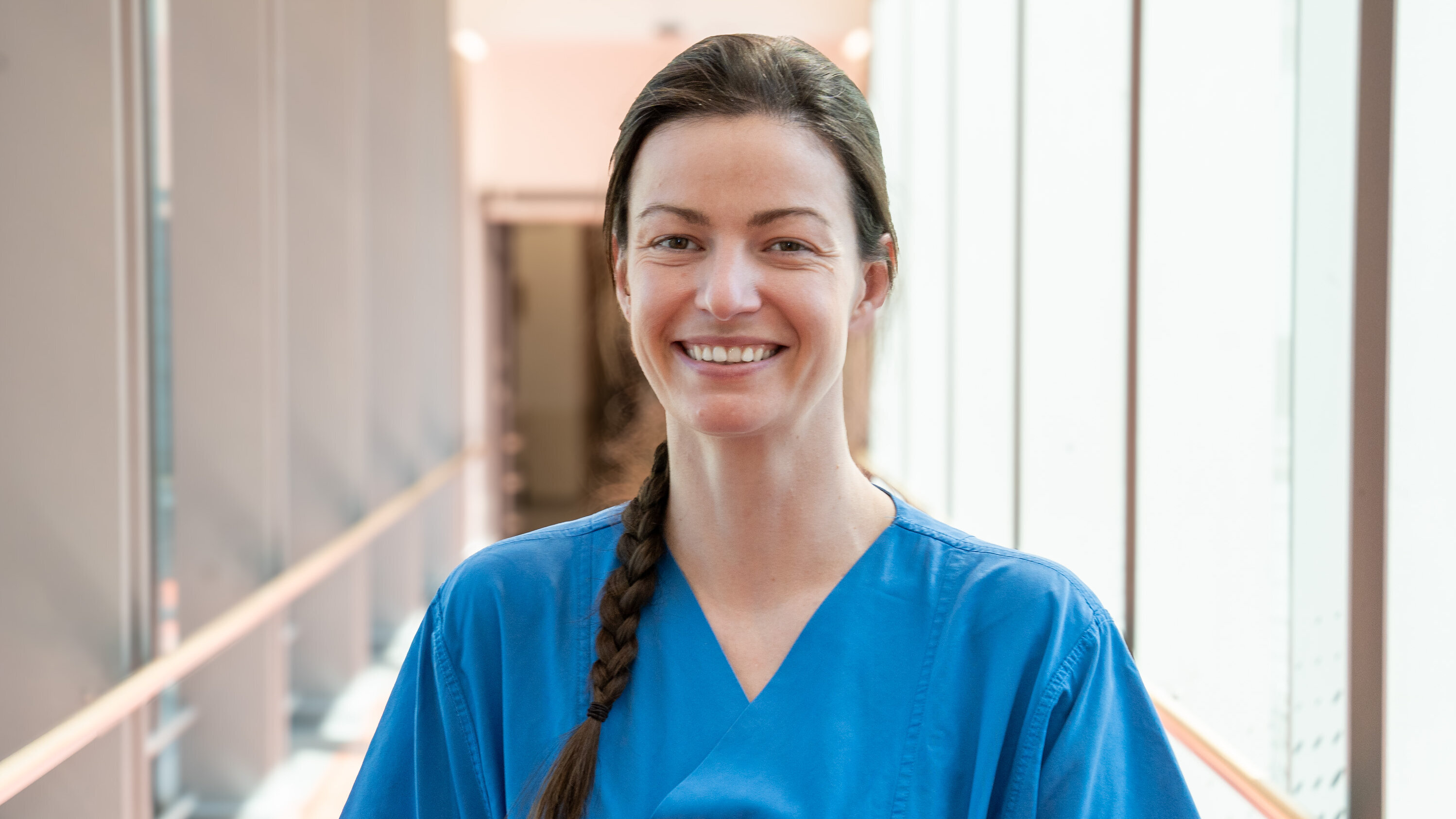
Maren Oehlke, a physician assistant, is part of this team and plays a key role in organizing and supporting your follow-up care. She helps ensure that procedures are easy to understand, answers any questions you may have, and makes sure you feel well cared for throughout your entire treatment.
This creates an environment that combines medical safety with the highest possible quality of care.
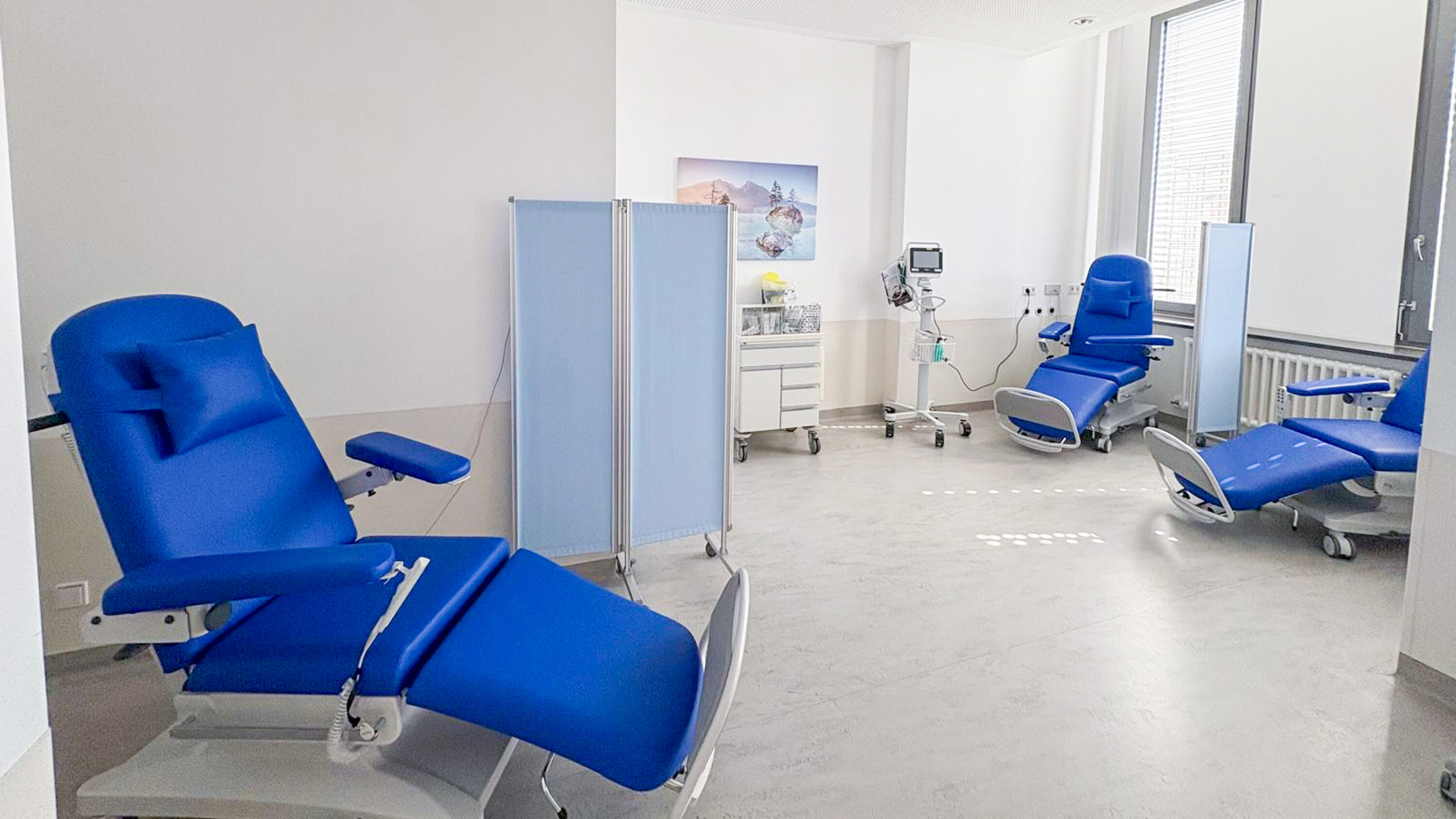
This creates an environment that combines medical safety with the highest possible quality of care.
Our Research
For safe and efficient follow-up care
Through the so-called HYBRID-AF study, we are developing innovative approaches for safe and efficient post-procedure care following catheter ablation for atrial fibrillation—particularly in the context of an increasingly outpatient-based care model.
Patients receive structured digital support during the first weeks following the procedure: via an app-based platform, they record their symptoms, communicate directly with our treatment team, and—depending on the approach—are supported by networked monitoring of blood pressure, ECG, or wearable data.
Our goal is to detect critical developments early on, ensure patient safety even outside the hospital, and simultaneously reduce unnecessary follow-up visits or inpatient stays.
In doing so, we are creating the evidence-based foundation for modern, cross-sector care pathways—and taking a decisive step forward in the shift toward outpatient electrophysiological procedures.
“I was surprised at how smooth everything went. Being back home the same day made me feel good.”
Wolfgang J.
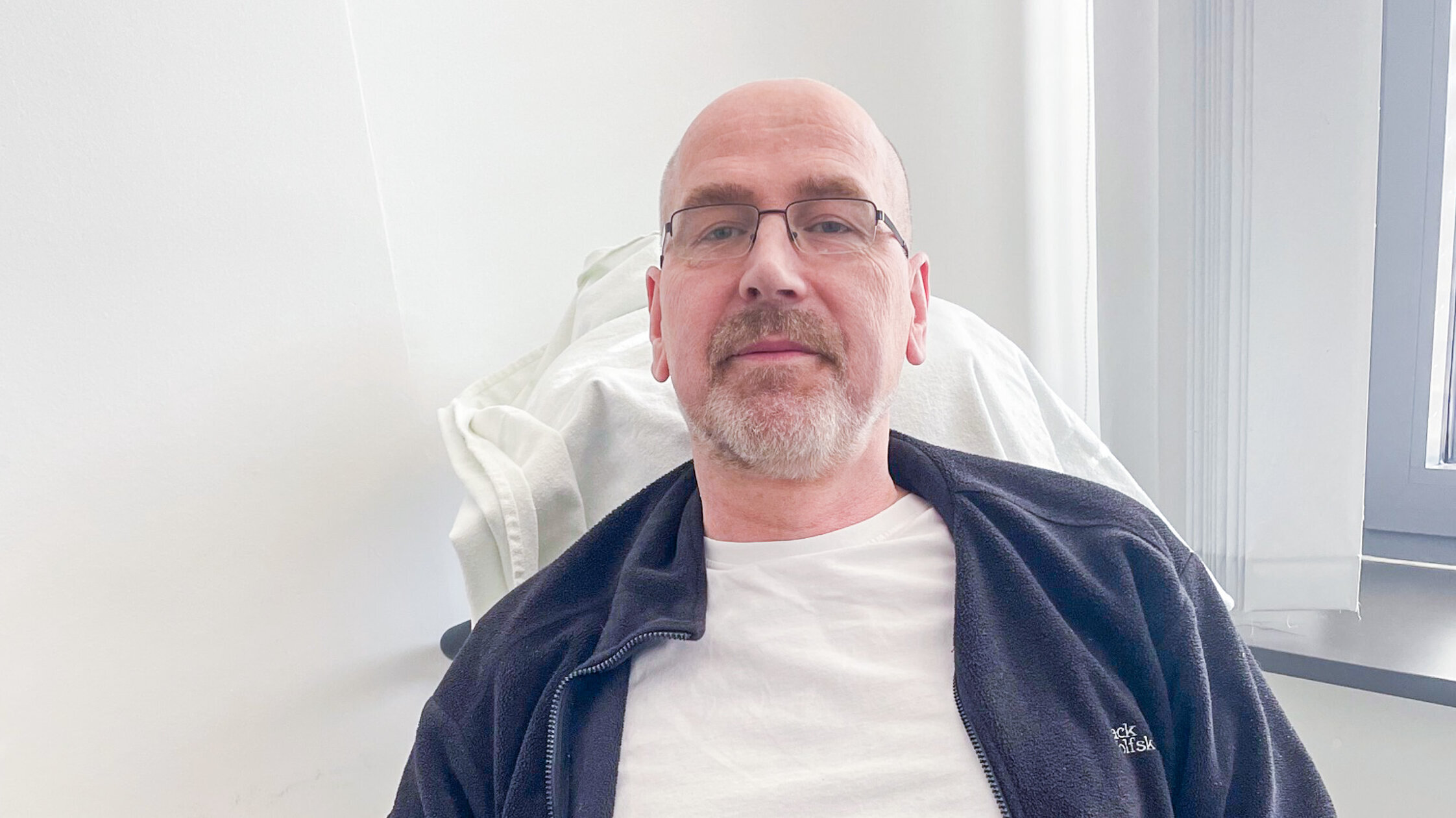
“I was surprised at how smooth everything went. Being back home the same day made me feel good.”
Wolfgang J.
“Quick appointments, attentive care, and thorough explanations—I would choose to be treated at the DHZC again and again.”
Gundula K.

“Quick appointments, attentive care, and thorough explanations—I would choose to be treated at the DHZC again and again.”
Gundula K.
“Same-day discharge is very convenient and a huge benefit for patients. You can simply book an appointment and go home the same day—stress-free and hassle-free. I give it 10 out of 10!”
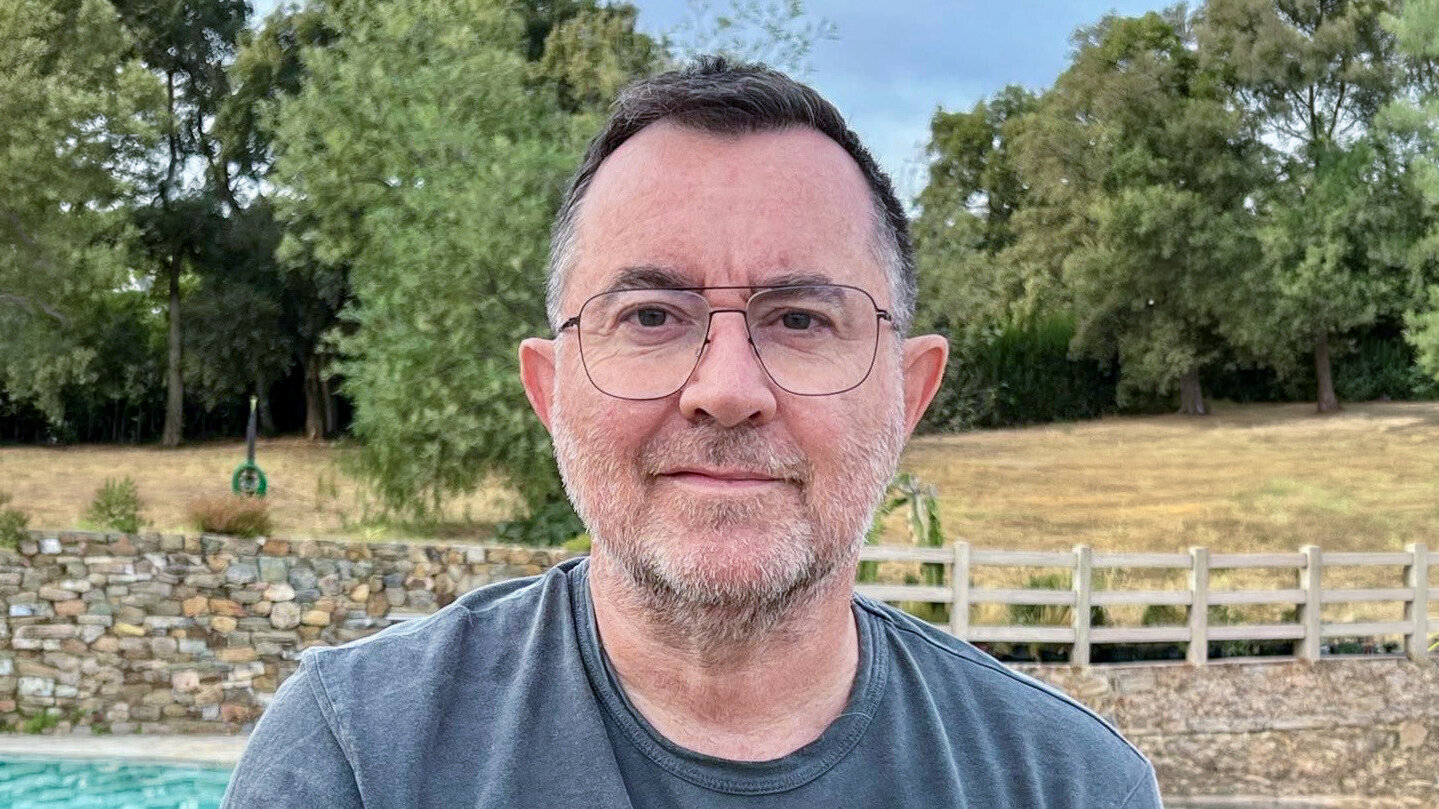
“Same-day discharge is very convenient and a huge benefit for patients. You can simply book an appointment and go home the same day—stress-free and hassle-free. I give it 10 out of 10!”
Frequently Asked Questions
You will be given a sedative or sleep aid so that you can remain relaxed during the procedure.
Yes. You will be given sedation, not general anesthesia—just as you would for a gastroscopy or colonoscopy.
Yes, provided the procedure goes smoothly and there are no medical reasons against it.
No. Please have someone pick you up.
For example, if you experience pain, post-operative bleeding, swelling at the injection site, or new symptoms in the chest area. It is normal to experience occasional heart rhythm disturbances for a short time. However, these should subside after eight weeks. If the heart rhythm disturbances persist, please contact us.
In that case, you will remain with us for further monitoring or be admitted as an inpatient.
How to contact us
We're here for you
To schedule an appointment, you can reach the staff of the inpatient scheduling department by phone or email:
Anja Brune: T: +49 30 450 613054
Jaqueline Seyde: +49 30 450 613021
F: +49 30 450 7513925
