
Cardiac Arrest Center at the DHZC
In Germany, around 75,000 out-of-hospital resuscitations are currently carried out by the emergency medical services every year, with a so-called ROSC (return of spontaneous circulation) being achieved pre-hospital in around 40% of cases. The further prognosis of the affected patients always depends crucially on two factors that can be influenced in the treatment chain:
- the duration of the ischaemia interval from the time of circulatory arrest to the start of effective resuscitation
- the specialisation and quality of care of the hospital to which the resuscitated patient is admitted for further treatment
The DHZC has two certified Cardiac Arrest Centres, which are easily accessible in North, Central and Southwest Berlin:
Emergency contacts
Benjamin Franklin Campus
STEMI / resuscitation / shock / ECMO centre emergency hotline - T: +49 172 285 3828 (24h)
Campus Virchow Clinic
Emergency, infarction, resuscitation, card. Shock, ECMO/ECLS, Rhythmological Emergency - T: +49 30 450 665 112 (24h)
Cardiac Arrest Center at Campus Benjamin Franklin
The Cardiac Arrest Centre at Charité's Benjamin Franklin Campus was designed for the optimal treatment of patients with cardiac arrest according to the criteria of the German Resuscitation Council (GRC). Here, patients undergoing ongoing cardiopulmonary resuscitation or patients who have survived cardiac arrest receive optimal interdisciplinary care with standardised therapeutic measures.
Structural features of the Cardiac Arrest Centre include:
- Availability of a suitable emergency department for resuscitation patients, availability of a cardiac catheterisation laboratory with the possibility of immediate primary PCI around the clock, possibility of direct transfer of resuscitation patients to the catheterisation laboratory, permanent availability of an intensive care unit with evidence of specialised intensive medical care and the existence of a local quality circle for resuscitation care.
- Ensuring adequate process quality with evidence of standard operating procedures (SOPs).
- Quality assurance with evidence of standardised recording of the course of treatment and outcome up to discharge.
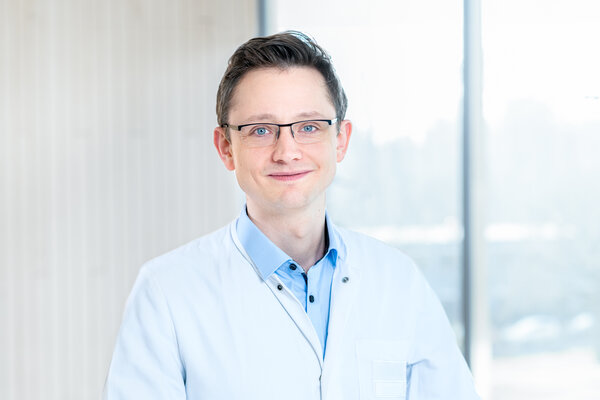
Prof Dr med Carsten Skurk
Deputy Director of the Department of Cardiology, Angiology and Intensive Care Medicine at the Benjamin Franklin Campus
Head of the Cardiac Arrest Centre at the Benjamin Franklin Campus
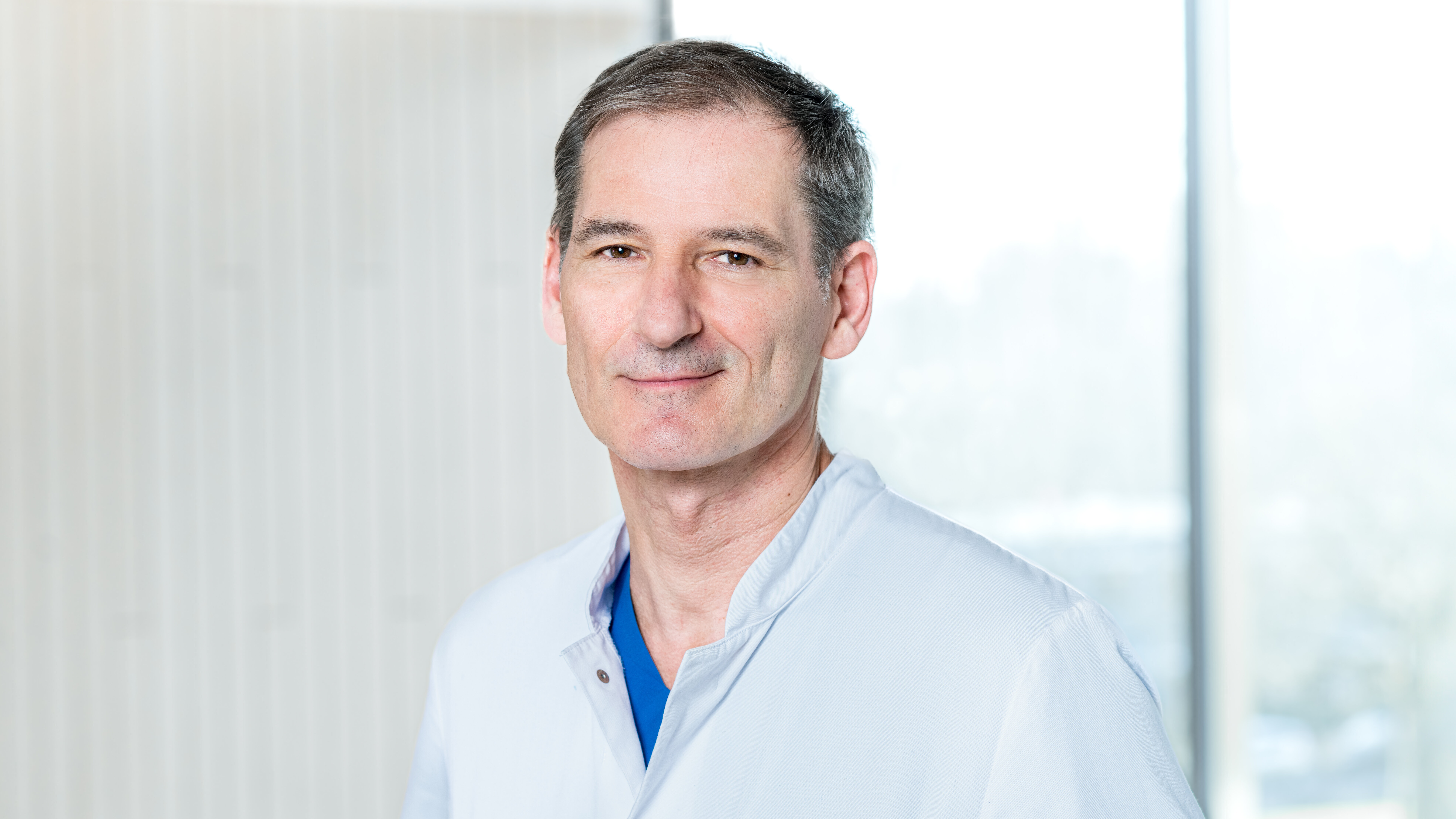
Prof Dr med Carsten Skurk
Deputy Director of the Department of Cardiology, Angiology and Intensive Care Medicine at the Benjamin Franklin Campus
Head of the Cardiac Arrest Centre at the Benjamin Franklin Campus
In addition, the structural conditions have been created to treat highly selected patients with reversible causes of cardiac arrest under ongoing cardiopulmonary resuscitation (eCPR). Various methods of temporary heart-lung replacement (extracorporeal life support system (ECLS)) such as VA-ECMO and/or cardiovascular stabilisation using left ventricular support systems such as Impella and Impella RP are available for this purpose. Therapeutic temperature management (mild hypothermia) is used to protect brain function in these patients. This is followed by continuous evaluation of the neurological situation in close cooperation with the neurology colleagues.
Of course, all specific intensive care treatment options are available:
- Non-invasive and invasive ventilation therapy,
- Differentiated volume and catecholamine therapy under haemodynamic monitoring,
- Passage cardiac pacemaker therapy,
- Continuous renal replacement procedure,
- Temporary lung replacement procedure,
- Non-invasive and invasive cooling procedures and
- other forms of therapy
Rescue helicopter base
The rescue helicopter base (RTH Christoph 31) is connected to the Cardiac Arrest Centre. This means that unstable patients can be flown in from far away for specialised therapy. In addition to managing the Christoph 31 RTH base, the cardiology team also staffs the NEF 4105 emergency doctor base. Thanks to this care structure, the Cardiac Arrest Center at the Benjamin Franklin Campus offers the opportunity to treat patients with complex conditions and to provide training and further education in preclinical emergency and intensive care medicine.
In addition to clinical activities, the Cardiac Arrest Centre of the DHZC at Campus Benjamin Franklin focuses on further research and further development of therapies for cardiovascular support systems in cardiogenic shock and cardiac arrest.
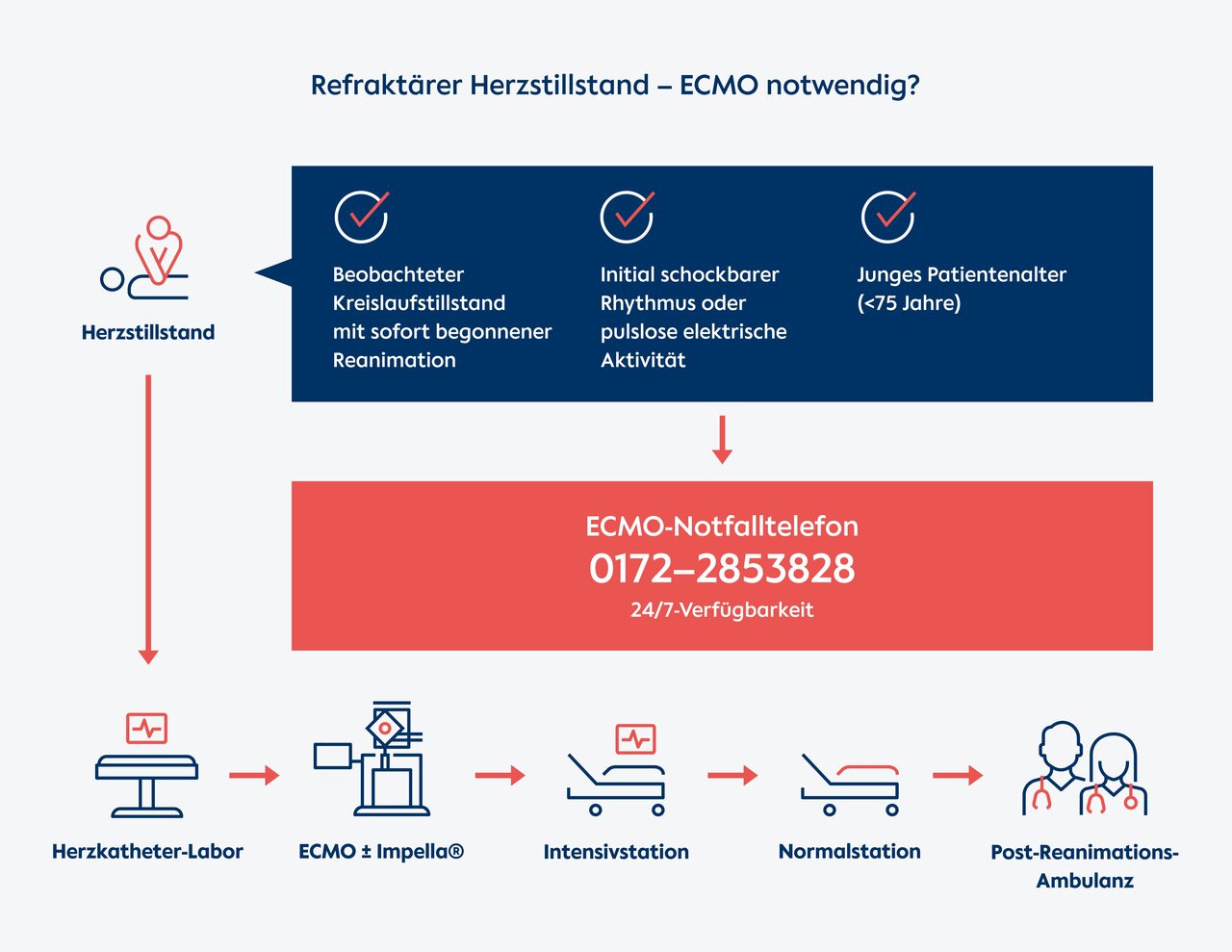
All details about the ECPR at the DHZC
In some cases of cardiac arrest, circulation cannot be restored despite resuscitation attempts. This results in a refractory cardiac arrest. So-called extracorporeal cardiopulmonary resuscitation (ECPR) is a treatment method that is considered for certain patients with refractory cardiac arrest. This treatment is relatively complex and is only carried out in specialised clinics. During ongoing resuscitation measures, the person to be resuscitated is connected to a device that takes over the functions of the heart and lungs for a certain period of time ("veno-arterial extracorporeal membrane oxygenator", abbreviated to "VA-ECMO").
Research on the topic:
The Cardiac Arrest Centre is constantly striving to improve the survival rate of ECPR patients. Therefore, data is scientifically investigated at the centre, the results of which are used directly in the clinic.
Selected studies and publications:
VA-ECMO is used during ongoing resuscitation measures. This often takes place in the cardiac catheterisation laboratory or sometimes in the intensive care unit.
In the cardiac catheterisation laboratory, the correct position of the ECMO cannulas can be immediately confirmed radiographically.
In addition to VA-ECMO, cardiac function can be supported with a small heart pump ("Impella®") in selected patients. Acombined treatment of VA-ECMO and Impella® is often referred to as "ECMELLA" or "ECpELLA".
Research on the topic:
The Cardiac Arrest Center, together with other national and international centres, is investigating the effects of ECMELLA therapy on the survival of patients with refractory cardiac arrest.
Selected studies and publications:
After a VA-ECMO and/or an "Impella®" has been used, patients are admitted to the cardiac intensive care unit for further stabilisation, diagnostics and treatment. Various other treatment options are available here, such as artificial respiration, the administration of medication for cardiovascular support and renal replacement procedures or cooling.
Research on the topic:
The cardiac intensive care unit treats critically ill patients with, for example, an acute heart attack, unstable circulation ("cardiogenic shock") or cardiac arrest. The Cardiac Arrest Center is working on the use of artificial intelligence to optimise patient-specific strategies in diagnostics and therapy. The aim of these studies is to strengthen patient safety and improve resource utilisation.
Selected studies and publications:
After completing acute treatment in the cardiological intensive care unit, patients are either transferred to the normal cardiological ward or to an external facility for rehabilitation. The aim of rehabilitation is to regain or strengthen the body's own functions, such as walking, speaking or swallowing.
A cardiac arrest is a drastic event for affected patients and their immediate environment. In addition to acute medical treatment at the Cardiac Arrest Centre, long-term treatment in our post-resuscitation outpatient clinic is also recommended. Patients have the opportunity to visit our outpatient clinic six to nine months after a cardiac arrest to have the following aspects clarified:
- Organ functions, especially heart function
- Physical endurance
- Functioning in everyday life
- Reintegration into work and quality of life
- Cognitive functions
- Psychiatric and psychological abnormalities
- Vital parameters
- Laboratory values
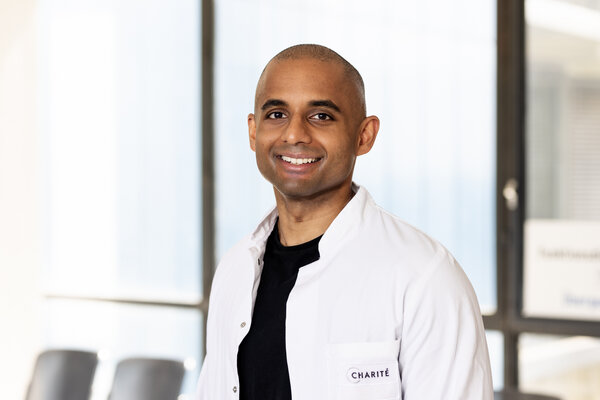
Contact person: Dr Tharusan Thevathasan
Research on the topic:
The concept of the post-resuscitation outpatient clinic is innovative and is optimised as part of continuous collaboration with the departments of neurology, psychology and sociology:
Selected studies and publications:
The "Students Teach Students-Academy" at the DHZC
The "Students Teach Students Academy" (STS Academy for short) is a multi-week training programme run by the Cardiac Arrest Centre for medical students and nursing students. The aim of the programme is to make junior doctors and nurses more aware and confident in the early recognition and rapid treatment of cardiovascular emergencies. After successfully completing the programme, the trained participants will act as "Cardiac Arrest Ambassadors" and pass on the skills they have acquired to other fellow students in their respective professional groups. The programme includes algorithms for the rapid differential diagnostic work-up and stabilisation of unstable patients, the recognition of infarction or "high-risk" ECGs and strategies for extracorporeal resuscitation with VA-ECMO or ECMELLA.
Contact person: Dr Tharusan Thevathasan
To register, simply send us a short email with your title, name, contact details and whether you are a medical or nursing student.
.
