
Social services at the DHZC
Support for patients and relatives
The DHZC social services staff are important contacts for patients and their relatives to make their hospitalisation and transition to discharge easier. By providing comprehensive advice, organising aftercare and arranging support services, the social services make a significant contribution to patients' recovery and quality of life.
Counselling and support from social services
The social service offers patients and their relatives important support in the form of social and legal counselling. It provides information on financial assistance and social services that can be utilised. This comprehensive counselling can reduce uncertainties and initiate concrete steps for further care.
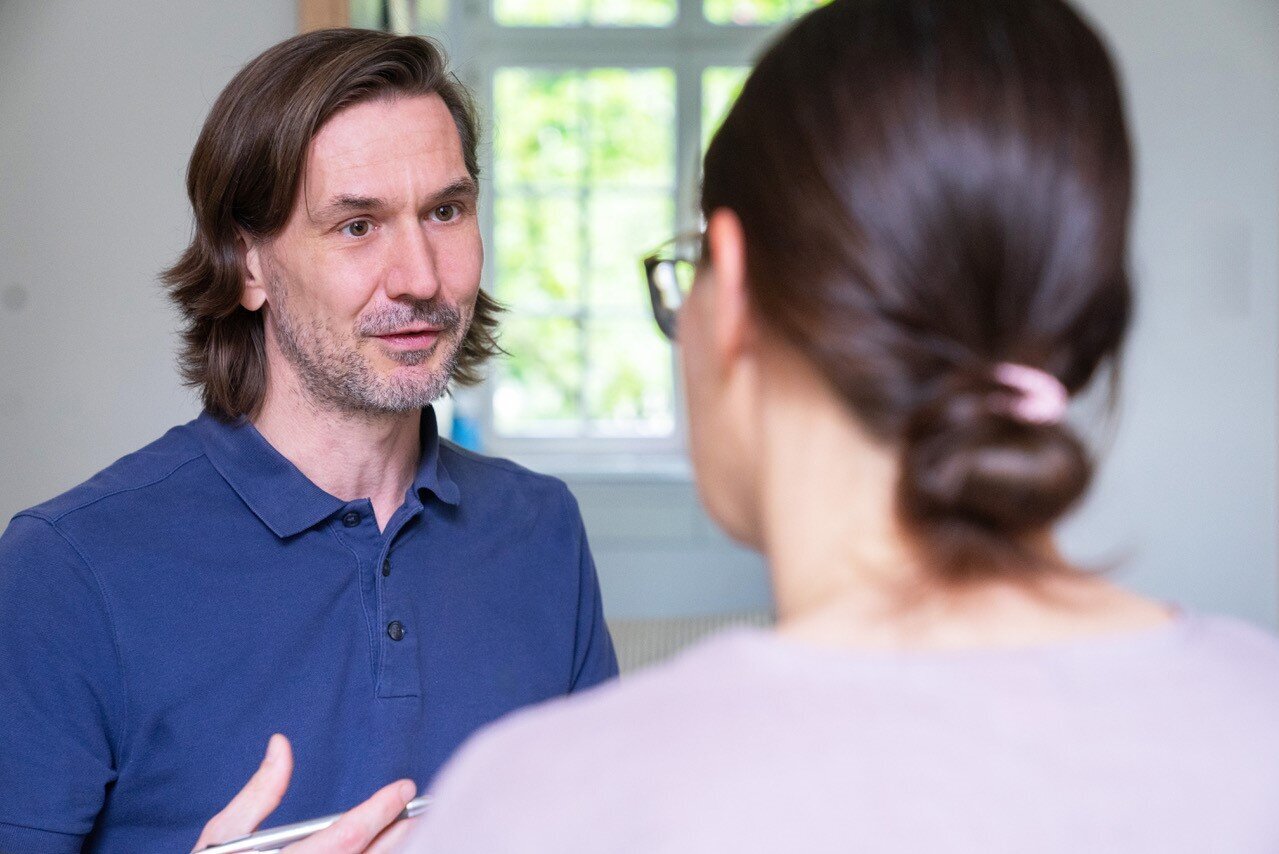
Counselling and support from social services
The social service offers patients and their relatives important support in the form of social and legal counselling. It provides information on financial assistance and social services that can be utilised. This comprehensive counselling can reduce uncertainties and initiate concrete steps for further care.
Organisation of aftercare following discharge
A central component of social services at the DHZC is the planning and organisation of care after hospitalisation. It coordinates the transition between various facilities, such as care services and social insurance providers. Through this precise coordination and preparation, patients can transition seamlessly to outpatient or inpatient care and thus avoid complications or re-transfers.
The individual care and support requirements after discharge are determined together with the patient and their relatives.
The social services team liaises with all the agencies involved to ensure seamless care.
The social service accompanies the patient during the transfer to outpatient or inpatient care and establishes contact.
Mediation of support services by the social service
In addition to providing advice and organising aftercare, the social services department also arranges contact with external support services. In this way, individual needs can be optimally met and patients can be supported in coping with their everyday lives.
- Auxiliary aids and medical devices
- Self-help groups
- Social organisations
The social services team is building a network to find customised services for patients and coordinate their implementation.
The specific support needs are determined together with the patients and their relatives in order to find the right support services.
Legal support
The social services at the DHZC also offer support in legal matters. Our staff accompany and advise patients and their relatives on setting up legal guardianship or concluding health care proxies and living wills. In crisis situations, the social services can also provide immediate assistance to protect patients from harm.
The social services department supports patients in setting up legal guardians to represent their interests.
By drawing up powers of attorney, patients can document their wishes in the event of legal incapacity.
In emergencies, social services can provide immediate assistance and develop emergency plans together with the patient.
The role of social services in discharge management
Social services play a central role in discharge management at the DHZC. Through early planning, coordination and support throughout the hospital stay, it helps to minimise risks for patients after discharge. It takes individual needs and challenges into account and helps to manage crises. In this way, social services ensure seamless and continuous care and significantly improve patients' quality of life.
Patient-orientated working methods of the social services
The social service always takes into account the individual needs and life situations of the patients in order to provide optimal support.
In addition to the medical aspects, the social service also takes the social, financial and legal concerns of patients into account in its work.
Through open and respectful communication, social services build up a trusting relationship with patients and relatives.
Social services continue to support patients after discharge in order to ensure seamless care.
Cooperation with other departments
The social service works closely with the medical service to combine medical aspects with social concerns.
In consultation with the nursing service, the social services department coordinates aftercare and care following discharge.
The social service is a central component of discharge management and contributes to the optimal preparation of patients
.
Guide "Heart Atlas"
What heart diseases are there, how do they manifest themselves and how can they be recognised and treated? You will find the answers to these questions in our guidebook: With the "Heart Atlas", we want to present our range of diagnosis and treatment options to you in a clear and generally understandable way based on the respective areas of the heart.
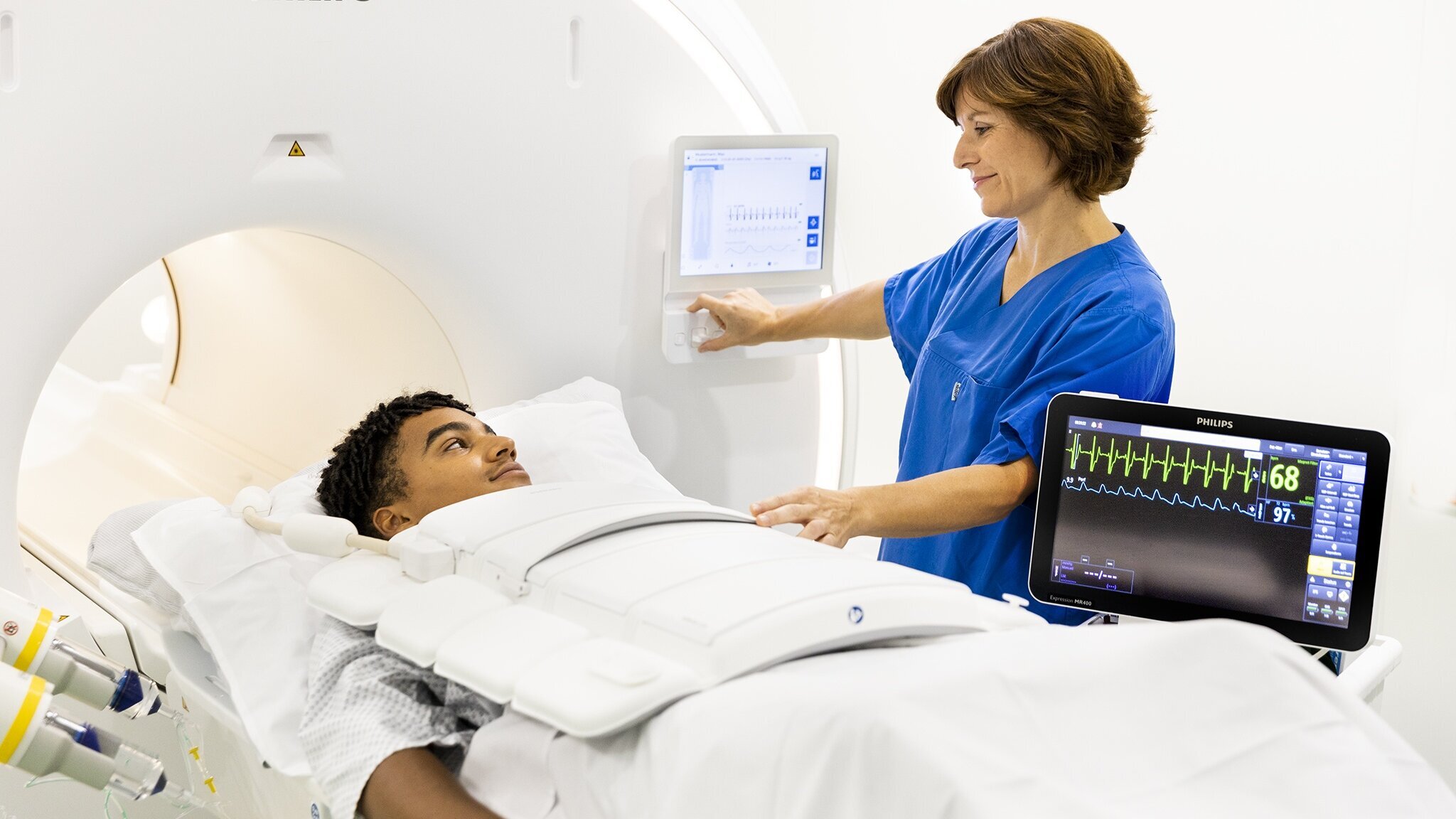
Guide "Heart Atlas"
What heart diseases are there, how do they manifest themselves and how can they be recognised and treated? You will find the answers to these questions in our guidebook: With the "Heart Atlas", we want to present our range of diagnosis and treatment options to you in a clear and generally understandable way based on the respective areas of the heart.
