
Inpatient treatment at the DHZC
At a glance
The Deutsches Herzzentrum der Charité (DHZC) is a specialist clinic for cardiovascular diseases. It comprises a total of seven clinics, which are located at Charité's three clinical campuses: at the Campus Virchow-Klinikum in Berlin-Wedding, at the Campus Charité Mitte in Berlin-Mitte and at the Campus Benjamin Franklin in Berlin-Steglitz.
At all three locations, we care for patients with cardiovascular diseases in our highly specialised care units. Our portfolio includes normal care and intensive care units, our paediatric cardiac care units and the transplant and heart failure unit at the DHZC.
Your inpatient stay at the DHZC
At the DHZC, you will receive optimal care from a competent, interdisciplinary team of doctors, nurses, physiotherapists and respiratory therapists. The patient management, psychocardiology and social services staff are also on hand to advise you.

Your inpatient stay at the DHZC
At the DHZC, you will receive optimal care from a competent, interdisciplinary team of doctors, nurses, physiotherapists and respiratory therapists. The patient management, psychocardiology and social services staff are also on hand to advise you.
The nursing wards are assigned to the respective clinics at the DHZC. Here you will find further information on the specialisations, the range of services as well as contact persons and contact options:
- Stations of the Clinic for Cardiac, Thoracic and Vascular Surgery
- Wards of the Department of Cardiology, Angiology and Intensive Care Medicine | Campus Benjamin Franklin
- Stations of the Department of Cardiology, Angiology and Intensive Care Medicine | Charité Mitte Campus
- Wards of the Clinic for Cardiology, Angiology and Intensive Care Medicine | Campus Virchow-Klinikum
- Wards of Paediatric Cardiac Medicine
In the following, we would like to summarise the most important information about your inpatient stay at the DHZC and answer your questions.
In addition to planned stays, there are of course also unplanned admissions to our clinic. In this case, it is not possible to organise this in advance. However, the information on the time during your stay and on discharge and further treatment is also relevant for patients with short-term admissions.
Organisation and procedure
Preparation
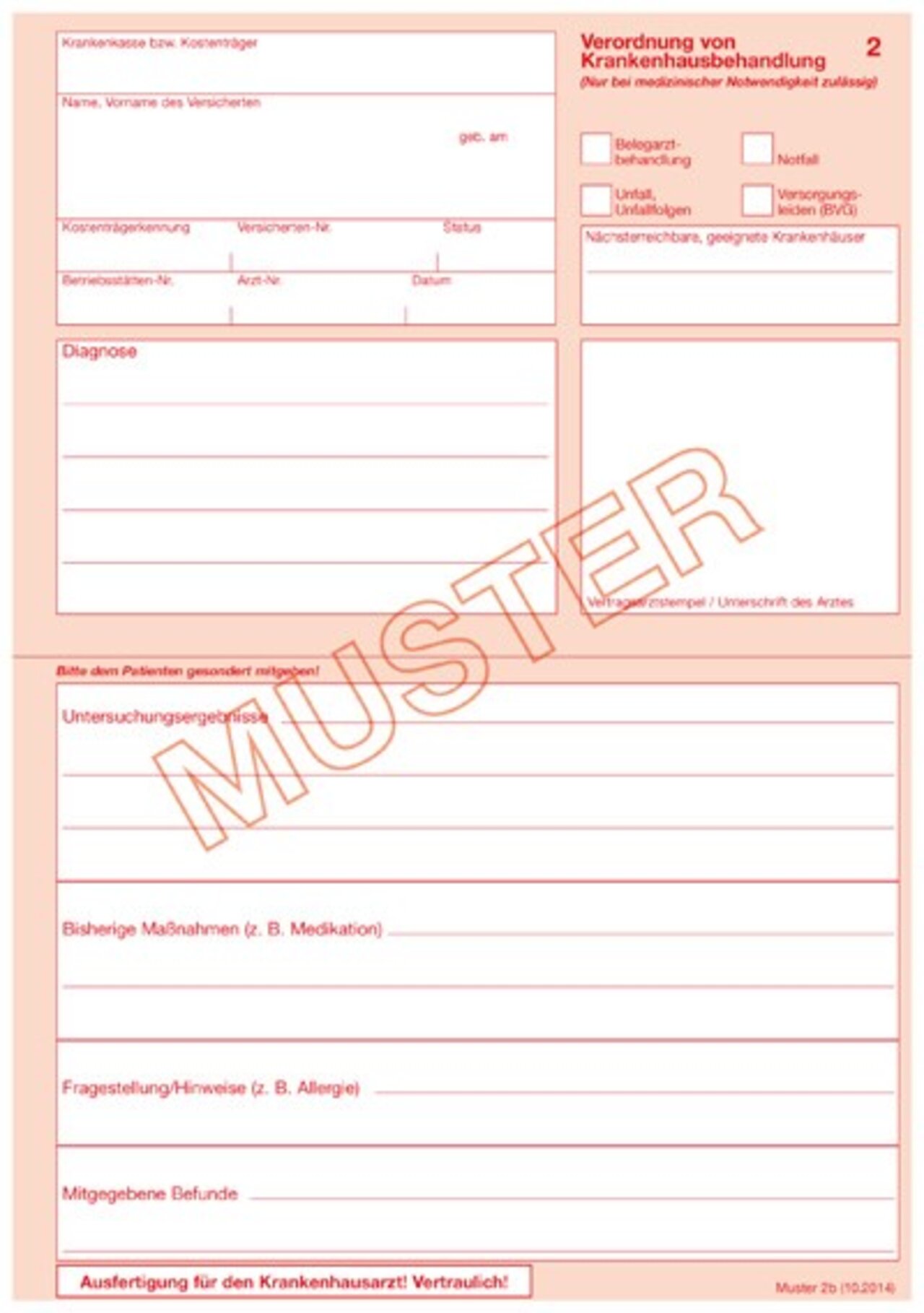
In order to receive inpatient treatment at the DHZC, you need a admission letter or a prescription for hospital treatment. You can obtain this from your general practitioner or specialist doctor.
Your doctor will register you for admission to our clinic. We will then call you and arrange an appointment for your admission to the DHZC. You will then receive an appointment confirmation by letter with all further information.
- Please plan your stay accordingly and inform relatives and contact persons.
Your contact persons for the preparation
In order to make your stay as pleasant and smooth as possible, our patient managers are available to you directly as your first point of contact. They will ensure that the planning process runs as quickly and smoothly as possible for you. To this end, they will, with your consent, get in touch with your treating GP and the hospital doctor at an early stage in order to obtain all the necessary information for the treatment process at the clinic.
Patient management at the DHZC is responsible for all elective (i.e. planned) cardiological patient admissions, transfers and discharges. The patient managers are your main point of contact when it comes to scheduling and preparing for your planned stay at the DHZC.
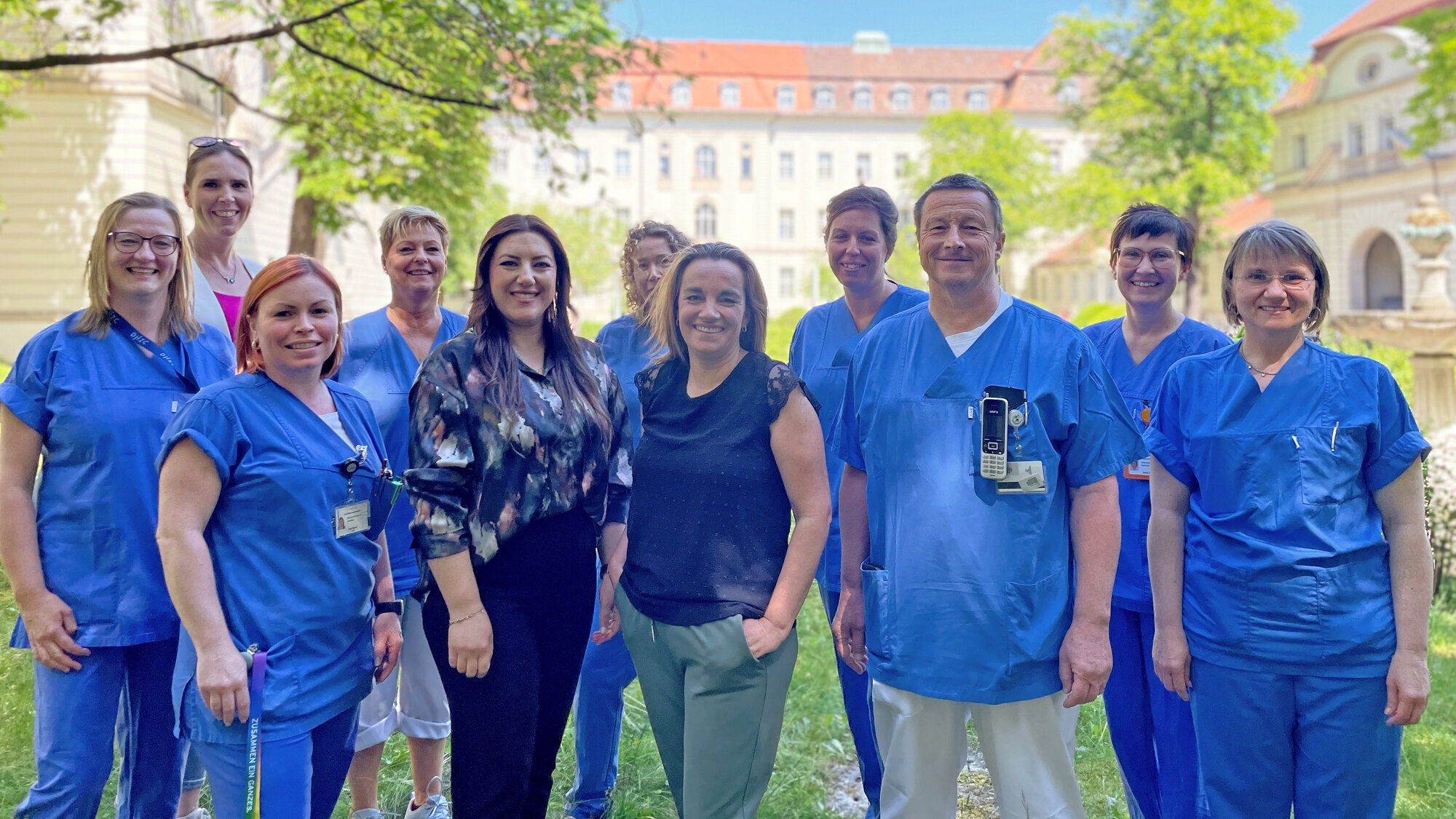
Patient management at the DHZC is responsible for all elective (i.e. planned) cardiological patient admissions, transfers and discharges. The patient managers are your main point of contact when it comes to scheduling and preparing for your planned stay at the DHZC.
On the day of your admission
In your appointment letter, you will also receive information on whether you are not allowed to take certain (e.g. blood-thinning) medications on the day of your procedure. Please follow these instructions. You can take the rest of your medication as usual.
Please bring the following documents with you when you are admitted to our clinic:
- Admission letter
- Health insurance card
- Identity card
- Preliminary findings from other clinics or doctors, reports of preliminary examinations and laboratory values as well as image data (e.g. from X-ray, ultrasound, CT or MRI examinations)
- Allergy passport and implant card (e.g. for pacemakers), if available
- Necessary aids such as hearing aids, if required
- Your medication plan (you do not need to bring any medication from home, unless it is a special medication)
- Only the most important valuables
- Slippers, clothing and toiletries for your personal needs
During your inpatient stay
Visits
You can receive visits from relatives or friends during your stay at our clinic. Visits are usually possible from 3.00 pm to 7.00 pm.
On the intensive care units and the wards of the Department for Congenital Heart Defects - Paediatric Cardiology the visiting times and visiting regulations may vary.
During a visit, medical and nursing activities may also be carried out. During this time, we ask your visitor to leave the room briefly.
We ask patients, relatives and visitors to bear in mind that visits - especially after an operation - can also be stressful. Visits may therefore be restricted or prohibited by the ward doctor for medical reasons.
Information for guests who would like to visit patients in the intensive care unit
Critically ill patients are monitored and cared for day and night in an intensive care unit. State-of-the-art technology is used to ensure uninterrupted monitoring and to be able to intervene in time in an emergency. These devices and the noises they make are unfamiliar to most relatives and may seem confusing and frightening. So don't hesitate to ask if you don't understand something.
Please do not enter the intensive care unit without being asked, but wait until the nursing staff welcomes you. You should sanitise your hands before entering and after leaving the intensive care unit.
The intensive care unit often requires medical and nursing procedures that cannot be carried out in the presence of visitors. Unfortunately, waiting times cannot always be avoided. It is also sometimes necessary for you to leave the room for a short period of time during treatment or examinations. We ask for your understanding.
Please also understand that we would like to protect the privacy of our patients and can therefore only provide you with more detailed information about the state of health of your relatives in person.
In order not to overburden the patients, you should keep your visit short. However, you are welcome to visit us regularly. In addition, if possible, no more than two relatives should be at the bedside at the same time.
We believe it is important that you, as the next of kin, maintain contact with the patient so that they have familiar people around them in difficult times. Communicate with your relative, even if they are limited in their ability to express themselves. Tell stories and don't be afraid to touch, stroke or hold your relative's hand.
In consultation with the responsible carer, you are also welcome to bring personal objects and pictures that were important to your relative at home (cut flowers and potted flowers may not be brought along for reasons of hygiene).
Accommodation for relatives
For relatives accompanying patients who do not live in Berlin, it is often important to be close to their loved ones. We offer three accommodation options close to the Charité German Heart Centre: The Axel Springer Guest House, the Ronald McDonald House for parents whose children are being treated in our clinic and the Charité Virchow Guest House on the Virchow-Klinikum campus.
The Axel Springer Guest House is located directly next to the DHZC on the Virchow-Klinikum campus. The rooms are available for external patients, relatives and visitors.
The Ronald McDonald House is a home for parents whose children are being treated in our clinic.
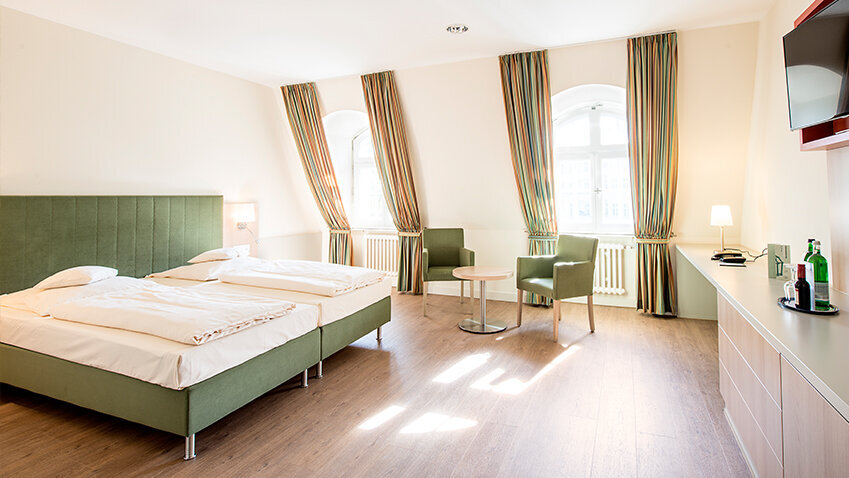
The Axel Springer Guest House is located directly next to the DHZC on the Virchow-Klinikum campus. The rooms are available for external patients, relatives and visitors.
The Ronald McDonald House is a home for parents whose children are being treated in our clinic.
Your further treatment
We continue to treat some patients after their operation at our partner clinic, the Sana Paulinenkrankenhaus. Specialised wards are available here under the supervision of doctors from the DHZC.
More information on follow-up treatment and aftercare
Your discharge
The therapeutic team, consisting of nursing staff, patient managers, social workers and doctors, will work with you - and, if necessary, with your relatives - to plan your upcoming discharge or further care. Your individual needs will be taken into account. The patient managers take on the management function and are your central point of contact on the ward.
If rehabilitation is required following your treatment, we will be happy to organise this during your stay. We work closely with all outpatient and inpatient rehabilitation facilities for patients of all ages in Berlin and Brandenburg.
The DHZC social services staff are also important contacts for patients and their relatives to make their hospitalisation and transition to discharge easier. The team advises you on the various options, organises aftercare and arranges support services. This also includes self-help groups or associations, which can be a great support for those affected.
The social services department coordinates the transition between various facilities such as care services and social insurance providers. Through this precise coordination and preparation, patients can transition seamlessly to outpatient or inpatient care and thus avoid complications or readmissions.
The social service offers patients and their relatives important support in the form of social and legal counselling. It provides information on financial assistance and social services that can be utilised. In this way, uncertainties can be reduced and concrete steps for further care can be initiated.

The social service offers patients and their relatives important support in the form of social and legal counselling. It provides information on financial assistance and social services that can be utilised. In this way, uncertainties can be reduced and concrete steps for further care can be initiated.
After your release
If you do not have a follow-up doctor, we offer the option of continuing your treatment in our outpatient clinics afterwards.
After your stay at the DHZC, you are welcome to give us feedback on how you perceived the treatment and care at our clinic and how comfortable you felt with us. With your suggestions and proposals for improvement, you will make a significant contribution to our ability to continuously develop our services and improve processes in order to offer you the best possible medical care and a pleasant stay.
All information on praise and complaint management at the DHZC
Frequently asked questions
In the case of an outpatient stay at the DHZC, you have a planned examination or consultation appointment in one of our outpatient clinics and consultation hours or in our medical care centre. You will not stay overnight in our clinic and will not be admitted as an inpatient. You will leave the DHZC again after your appointment.
If you are an inpatient at the DHZC, you will be admitted to one of our wards and stay for one or more nights.
If an inpatient stay is planned, your doctor will refer you to the DHZC as a patient. You will receive a referral form stating why you are being treated as an inpatient at the DHZC and which treatments need to be carried out. We will then contact you by telephone. You will also receive a letter in advance confirming your appointment and providing further information.
If additional examinations or pre-inpatient appointments are necessary before your admission, we will inform you of an outpatient appointment by separate post.
In order to optimally prepare your stay at the DHZC and admission to our clinic, you will also receive a patient questionnaire from us in advance, which you should complete and return to us.
All the necessary examinations required for your planned procedure will be carried out at the pre-admission appointment to ensure that everything runs smoothly on the day of admission and the day of the procedure. This pre-admission appointment can take place up to five days before the date of admission.
You will receive all the necessary information from the appointment staff.
No. You will be referred by your doctor via a referral slip and contacted by the referral management team. You will then receive appointment suggestions.
This depends heavily on your specific case and the medical treatment you require. Especially if you are undergoing a complex operation or are being treated as an inpatient at the DHZC following a transplant, for example, it is not possible to predict a typical course of treatment.
Our experienced team of doctors, nurses, patient managers, respiratory therapists and physiotherapists as well as the psychocardiology team will do everything they can to make your inpatient stay as pleasant as possible.
This is also very individual, depends on your specific illness and your personal genesis and cannot be planned precisely in advance.
The patient management team organises and prepares all planned cardiology admissions, transfers and discharges of patients at the DHZC. The colleagues work closely with the ward assistants and ensure smooth preparation and early planning.
The patient management staff will inform you of the date of your inpatient admission and provide you with all the necessary information about your planned procedure. Pre-admission scheduling up to five days before admission includes ECG, blood sampling, any outstanding diagnostic planning such as CT, MRI, X-ray, TTE, TEE and anaesthesia, as well as a nursing history and medical information.
Once you have been admitted to the DHZC as an inpatient, the inpatient management team will take over. The patient manager will welcome you, explain the procedure to you, coordinate your examinations and take you to your room. Before or on the day of admission at the latest, the patient management team will evaluate how your care at home is guaranteed after discharge and, if necessary, ensure continuity of care.
As a rule, appointments are prepared and planned by our DHZC clinic teams. As your admission depends on your clinical picture and the planned procedure on the one hand, but must also fit in with the overall planning of hospital admissions and admissions on the other, we are unfortunately unable to offer you the opportunity to choose your appointment in advance. However, you will be contacted by our appointment management team and receive suggested dates.
The costs of your medical treatment at the Charité German Heart Centre are covered by your health insurance.
Additional optional services are also available to you. Privately insured patients are entitled to optional services. Members of statutory insurance companies can arrange these for a fee.
You can book our elective and comfort services via your private insurance, your private supplementary insurance or as a self-payer. The elective medical services include treatment by our experts. Our comfort services offer you an additional all-round service.
We will be happy to provide you with information about our optional services by telephone on +49 30 450 50. Please also speak to us on admission.
Here you can find out more about elective services at the Charité.
Patients in hospital are increasingly at risk from infections. The task of the hygiene team at the DHZC is therefore to prevent any transmission of pathogens in the hospital as far as possible.
As a clinic specialising in high-performance medicine, we have an active hygiene management system. If necessary, this includes accommodating affected patients in a single room as well as barrier measures such as gown care, face masks and gloves. The measures vary depending on the type of bacteria and the ward affected.
Of course, we discuss all necessary measures with the patient concerned. The attending doctor will also be happy to answer any questions you may have.
Our patient advocates are available to answer your questions, complaints or other concerns. The role of the patient advocates is to provide advice and support to all patients and their relatives with questions, complaints or other concerns. Patient advocates present their concerns to the hospital staff and, if necessary, the hospital management and, if necessary, advocate for changes. They are independent in this role and are not employed by the hospital.
More information about the patient advocates can be found on the Charité website.
