
Intensive care and emergency medicine at CBF
The emergency medical centre of the Department of Cardiology, Angiology and Intensive Care Medicine is operated in cooperation with the Berlin Fire Department. The medical management of the centre is the responsibility of the cardiology department. The NEF (emergency ambulance) is manned by a paramedic from the Berlin Fire Brigade and an emergency doctor from the Clinic for Cardiology, the Clinic for Anaesthesia or the Rescue Centre.
The Christoph 31 rescue helicopter has been operated since October 1987 under the direction of the Department of Cardiology in cooperation with the Department of Anaesthesiology and Operative Intensive Care Medicine at the Charité Campus Benjamin Franklin (CBF). After reunification, flight operations were transferred to ADAC Luftrettung.
The RTH is dispatched by the control centre of the Berlin fire brigade according to a carefully planned alarm sequence concept: the aim of this concept is to bring the emergency doctor to any point in the city within 10 minutes during daylight hours (and only at this time is the helicopter deployed in the city for safety reasons). The consequence of this is that there is a marching order that leads to the helicopter always being alerted in certain areas on the outskirts of the city if an emergency doctor is required (e.g. parts of Gatow, Kladow, Wannsee, Buch and south-eastern districts). Otherwise, the helicopter is used as a replacement for an emergency ambulance that is not available locally. The Christoph 31 is also available for the surrounding area if it is requested by other control centres or emergency doctors.
The emergency doctors working on the rescue helicopter have specialist status, additional training in emergency medicine and (usually also) intensive care medicine and come from the Department of Cardiology, Anaesthesiology and the Rescue Centre. They are supported in their work by HEMS (Helicopter Emergency Medical Services) crew members who, like the pilots, are provided by ADAC-Luftrettung-GmbH.
Cardiovascular diseases play a major role in emergency medicine. Above all, the treatment of acute myocardial infarction and the fight against sudden cardiac death were the main reasons for establishing the emergency doctor system in Berlin in the 1970s. Both clinical pictures are therefore also a continuous focus of research. For example, starting in the 1980s, thrombolysis as the earliest possible prehospital treatment option for acute myocardial infarction was systematically investigated by the emergency medical centre and one of the first prehospital lyses was performed worldwide. In the meantime, lysis therapy has become less important and other drug therapies that also influence blood coagulation are being investigated in scientific studies in prehospital therapy.
Two thirds of all patients who die from acute myocardial infarction before receiving medical treatment usually die as a result of fatal arrhythmias (usually ventricular fibrillation). Defibrillation as early as possible can save lives. The implementation of early defibrillation of patients with ventricular fibrillation by first-arriving non-medical rescue personnel was carried out in Berlin at the emergency ambulance base at the CBF as the first centre in Germany. Early defibrillation as a routine measure is now an integral part of the rescue chain and serves as a prime example of the delegation of medical measures within the framework of emergency competence. Further scientific questions relating to resuscitation are currently being investigated in clinical studies.
The emergency ambulance at the CBF is called out very frequently and carries out around 4000 missions per year. A population of around 250,000 people, with the main focus of its activities in the districts of Steglitz, Lichterfelde and Zehlendorf.
In terms of content, organisation and structure, the emergency medical base forms a unit with the ADAC air rescue station Christoph 31. In 2017, Christoph 31 celebrated its 30th anniversary.
Rescue helicopter Christoph 31
The rescue helicopter Christoph 31 has been operated since October 1987 under the direction of the Department of Cardiology in cooperation with the Department of Anaesthesiology and Surgical Intensive Care Medicine at the Charité Campus Benjamin Franklin (CBF)
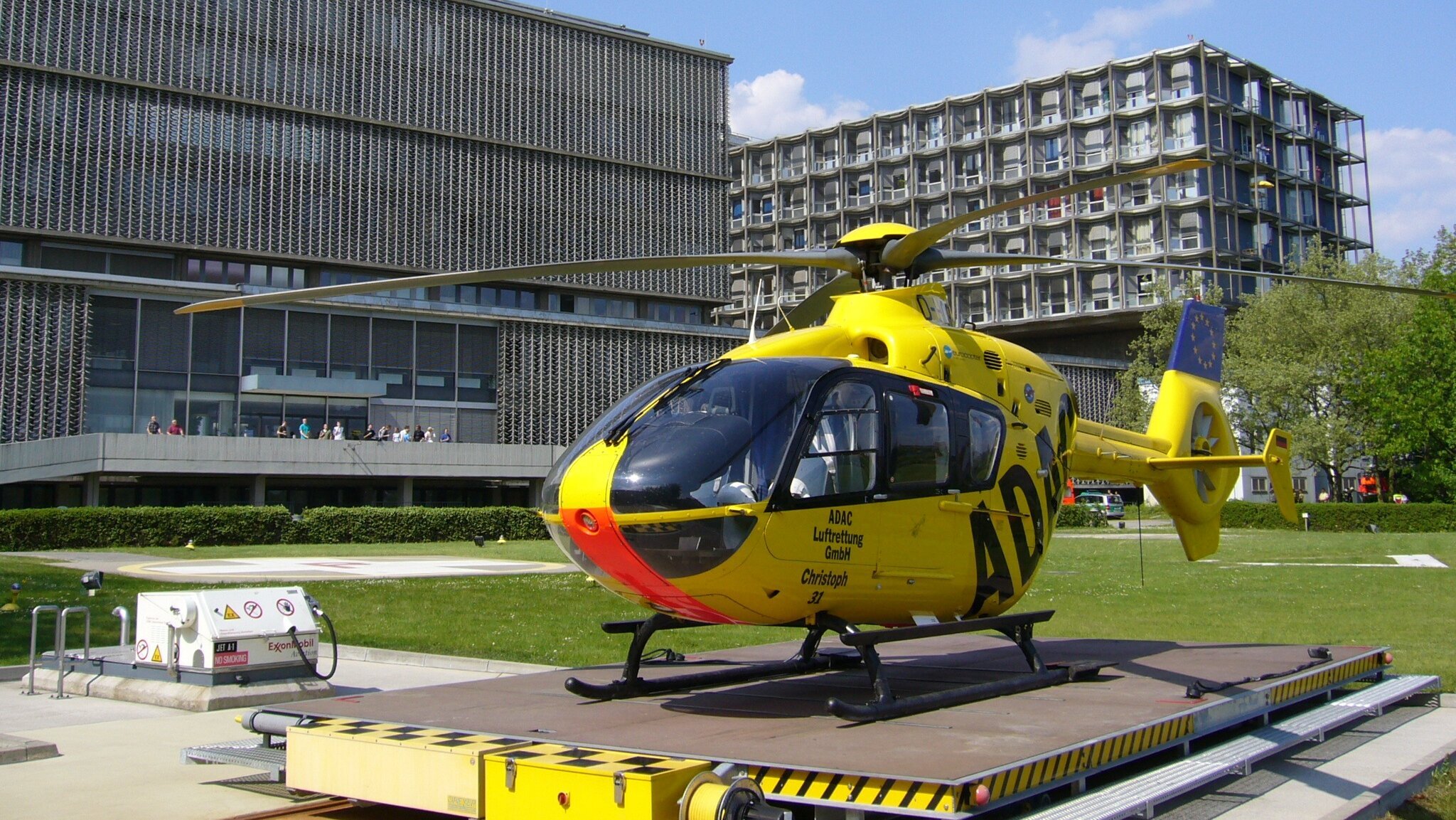
Rescue helicopter Christoph 31
The rescue helicopter Christoph 31 has been operated since October 1987 under the direction of the Department of Cardiology in cooperation with the Department of Anaesthesiology and Surgical Intensive Care Medicine at the Charité Campus Benjamin Franklin (CBF)
Our intensive care unit
Our cardiological intensive care unit 32A provides maximum care for all internal medicine emergencies with a focus on cardiovascular emergencies. Approximately 2000 patients are treated each year.

Our cardiological intensive care unit 32A provides maximum care for all internal medicine emergencies with a focus on cardiovascular emergencies. Approximately 2000 patients are treated each year.
Cardiac Arrest Centre at the DHZC
In Germany, around 75,000 out-of-hospital resuscitations are currently carried out by the emergency medical services every year, with a so-called ROSC (Return of Spontaneous Circulation) being achieved pre-hospital in around 40% of cases. The further prognosis of the affected patients always depends crucially on two factors that can be influenced in the treatment chain:
- the duration of the ischaemia interval from the time of circulatory arrest to the start of effective resuscitation
- the specialisation and quality of care at the hospital to which the resuscitated patient is admitted for further treatment.
The Cardiac Arrest Centre at Charité's Benjamin Franklin Campus was designed for the optimal treatment of patients in cardiac arrest according to the criteria of the German Resuscitation Council (GRC). Here, patients undergoing ongoing cardiopulmonary resuscitation or patients who have survived cardiac arrest receive optimal interdisciplinary care with standardised therapeutic measures.
The Cardiac Arrest Centre at our clinic specialises in treating patients with a so-called refractory cardiovascular arrest, where circulation could not be restored despite resuscitation attempts. This acute medical treatment is complex and is only offered in a few specialised clinics.
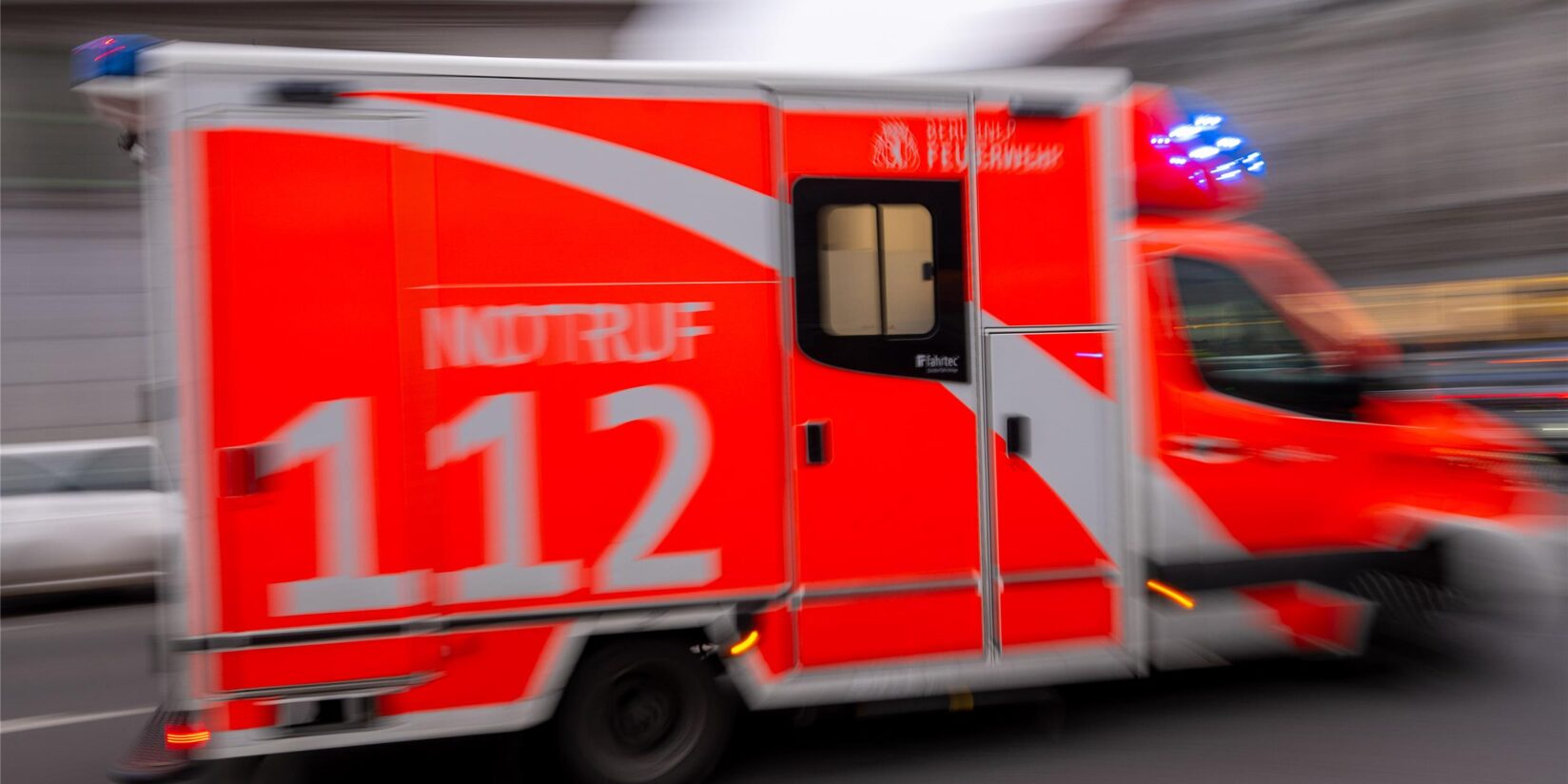
The Cardiac Arrest Centre at our clinic specialises in treating patients with a so-called refractory cardiovascular arrest, where circulation could not be restored despite resuscitation attempts. This acute medical treatment is complex and is only offered in a few specialised clinics.
