
Data and facts
Every year, around 5,000 heart operations and more than 15,000 cardiac catheterisations are performed at the DHZC. The DHZC has 11 operating theatres and 15 cardiac catheter laboratories. The DHZC is the world's largest artificial heart centre in terms of case numbers and is one of the largest centres in Germany for catheter-based aortic valve replacement (TAVI) and for heart and lung transplantation.
All cardiac catheterisation, hybrid operating, anaesthesia and surgical services are centrally managed and organised at the DHZC: in the Cardiac Intervention Suite and Operation Room Management, or CISORM for short.
The CISORM team at the DHZC consists of around 190 colleagues. It is headed by Sabine Krukenkamp. The cardiologist Prof. Dr. Carsten Skurk is the medical representative of the cardiac catheterisation areas, and the cardioanaesthesiologist Dr. Matthias Hommel is the medical representative of the operating areas at the DHZC.
There is a functional service management team for each of the operating and anaesthesia areas. There is an overall management team for the cardiac catheter laboratories, as well as functional service management at the DHZC locations.
Head of Functional Services at the DHZC
Sabine Krukenkamp
Overall Head of the Operating, Anaesthesia and Cardiac Catheter Functional Teams at the DHZC
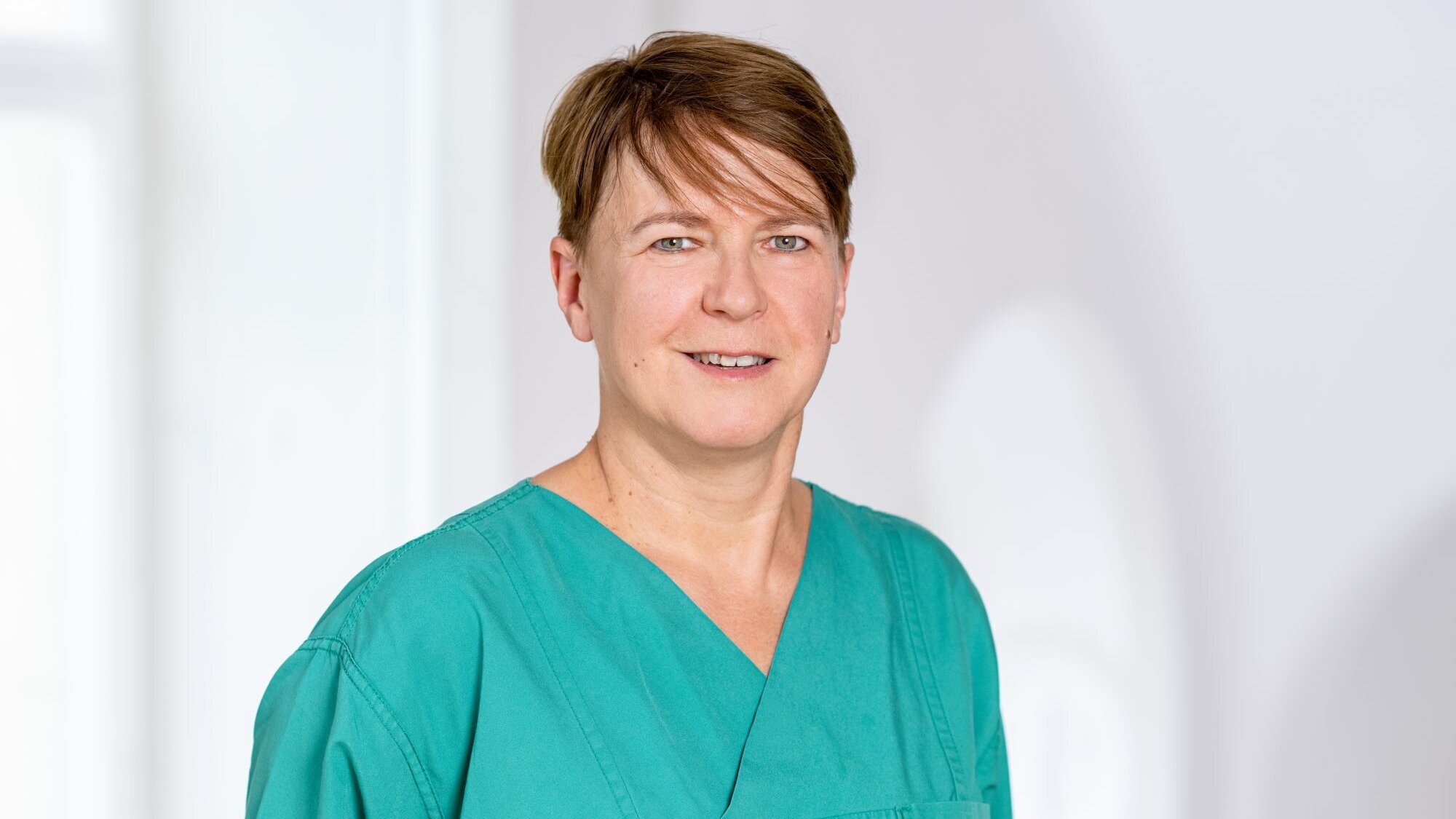
Head of Functional Services at the DHZC
Sabine Krukenkamp
Overall Head of the Operating, Anaesthesia and Cardiac Catheter Functional Teams at the DHZC
Nurses work in all of our functional areas.
The generalist training to become a nurse takes three years and combines paediatric, geriatric and general nursing. This comprehensive training programme includes theoretical instruction and practical phases in various healthcare facilities. Trainees learn a wide range of skills in nursing, anatomy, psychology and communication to ensure holistic patient care.
They complete their training by taking a state examination, which qualifies them to work in all areas of nursing.
The job description of a surgical assistant (OTA) is still young; it is only since 2022 that the duration and content of the training have been regulated by the ‘Anaesthesia and Surgical Assistant Act’.
The training lasts three years and combines theoretical instruction with practical assignments in surgical departments. During this time, trainees learn important skills such as preparing operating theatres, assisting with surgical procedures and caring for patients before and after operations. After completing the training, which ends with a state examination, OTAs are qualified to work in a wide range of surgical fields in hospitals and clinics. It is no longer possible to imagine operating theatres without them.
At DHZC, we train OTAs every year, with training starting in April and October.
portrait surgical assistance
The profession of anaesthesia assistant (ATA) is still young and it is only since 2022 that the duration and content of the training has been regulated by the ‘Anaesthesia and Surgical Technical Assistants Act’.
The training lasts three years and combines theoretical instruction with practical experience in various areas of hospitals. During this time, trainees learn important knowledge and skills in anaesthesiology, intensive care and emergency medicine. They are trained in the preparation and monitoring of anaesthesia, the care of patients during and after surgery, and the use of medical equipment. After successfully completing their training and passing the state examination, ATAs are qualified to work in operating theatres, intensive care units and in emergency medicine.
At DHZC, we train ATAs every year, with training starting in April.
The job description for specialist nurses in anaesthesia and intensive care medicine (A&I) has been developing in Germany since the 1970s.
Further training requires completion of training in health and nursing care and usually takes two years. It includes specialised theoretical instruction and practical experience in the areas of anaesthesia and intensive care.
During this time, the specialists learn how to monitor and care for patients under anaesthesia and in critical health conditions. After completing the training and passing the required exams, specialist nurses are qualified to work in specialised areas such as intensive care units, operating theatres and anaesthesia.
Specialist paediatric nurse for the operating theatre
The further training requires a completed vocational training in nursing or health and nursing or paediatric nursing or health and paediatric nursing, as well as permission to use the corresponding professional title and work in the surgical service.
Further training is provided in part-time or full-time courses and takes two to four years.
It includes 800 hours of theoretical instruction at a state-recognised further training centre and 1,800 hours of practical training under expert supervision.
Further training provides specialised knowledge and skills for work in the surgical service, as well as the necessary attitudes and behaviours.
In particular, it is designed to qualify students for the following tasks:
- Holistic pre-, intra- and postoperative care, taking into account the physical and psychological situation of the patient
- Preparation and follow-up of the operating area, including instruments, materials and apparatus
- Situational instrumentation in the various specialist areas, support of the surgical team
- Planning, organisation and coordination of the workflow according to rational and economic criteria, cooperation with the surgical team, other specialist departments, professional groups
- Application and monitoring of hygiene regulations, occupational safety regulations, activity-related legal provisions, aseptic work
- Recording, documenting and forwarding care-related data
- Quality assurance of nursing work in the operating theatre
- Professional instruction, guidance and training of new employees, apprentices, trainees, collaboration with training and further education institutions
The job description of a medical assistant, formerly known as a doctor's assistant, has been developing in Germany since the 1960s.
Training to become a medical assistant usually takes three years and combines theoretical instruction at vocational schools with practical experience in doctors' surgeries or other medical facilities. During their training
The job description of a medical technologist for functional diagnostics (MTF) has been established in Germany over the past few decades.
The training lasts three years and combines theoretical instruction with practical experience in clinics. During the training, the apprentices acquire knowledge in five different specialist areas: cardio-, neuro-, angio- and pneumology, as well as ENT medicine.
After successful completion, MTFs are qualified to work in our cardiac catheter laboratories.
The training lasts three years and combines theoretical teaching with practical experience in clinics. During the training, the apprentices acquire knowledge in the evaluation of, for example, X-ray and CT images, in radiotherapy and in nuclear medicine. With successfully completed training, they are qualified to work in our cardiac catheter laboratories.
Contact details for CISORM
Do you have questions about our job offers, the application process, working in our team or training, further education and professional development at DHZC? Feel free to contact us! We are here for you.
Liesa Fichtner
T: +49 30 4593 2782
Liesa.fichtner@dhzc-charite.de
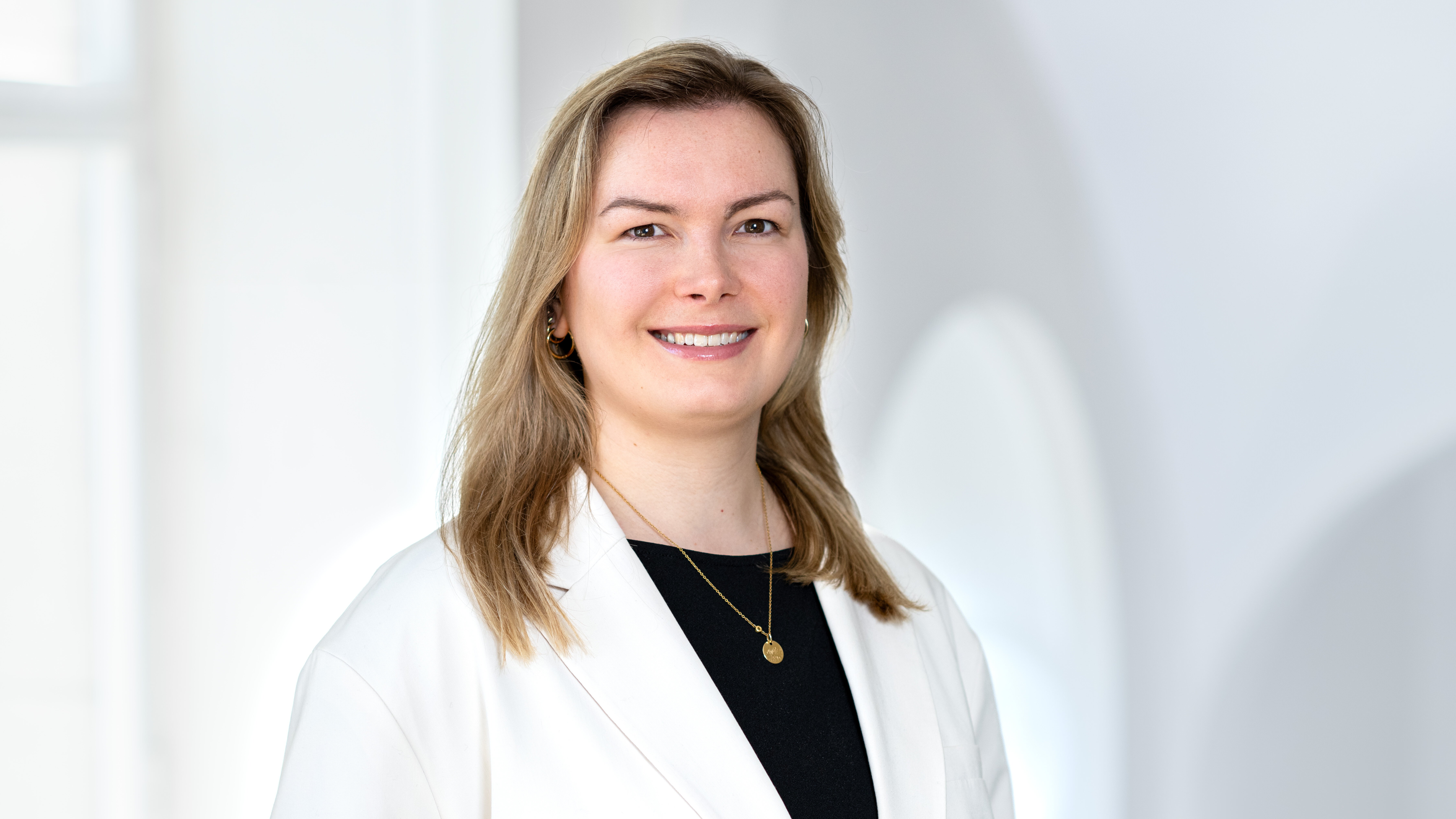
Do you have questions about our job offers, the application process, working in our team or training, further education and professional development at DHZC? Feel free to contact us! We are here for you.
Liesa Fichtner
T: +49 30 4593 2782
Liesa.fichtner@dhzc-charite.de
