
Endocarditis
Endocarditis is an inflammation of the inner layer of the heart, known as the endocardium, and the heart valves. It is usually caused by microorganisms such as bacteria that enter the bloodstream and colonise the heart valves. Patients with previously damaged heart valves or with artificial heart valves are particularly at risk.
If left untreated, endocarditis can cause serious complications or even lead to death. Possible complications include permanent damage to the heart valves, for example aortic valve insufficiency, or acute heart failure.
The endocardium
The heart wall is made up of three different layers - the endocardium is the inner one. It lines the atria and ventricles of the heart and also forms the four heart valves. The valves act as valves for the blood that is pumped through the heart with each beat. In most cases of endocarditis, one or more heart valves are inflamed.
Symptoms
- Fever and tiredness (fatigue), which are often the first symptoms to appear.
- Heart murmurs, which are caused by damage to the heart valves and can be heard during a physical examination with a stethoscope.
- Sweating, especially night sweats, is also a typical symptom.
- Weight loss and joint or muscle pain are other possible accompanying symptoms.
- The symptoms often develop gradually over several weeks and vary depending on the extent of the inflammation and the heart structures affected.
Cause
The primary cause of endocarditis is a bacterial infection in which pathogens enter the bloodstream. This often occurs via existing infections in the body, for example in the mouth, on skin lesions or in connection with medical interventions. Once in the bloodstream, the bacteria tend to colonise the heart valves or other structures of the heart, especially if these have been damaged by previous illnesses or if artificial valves are involved. Infections such as dental infections or skin wounds that release germs into the bloodstream play a significant role in the development of endocarditis.
Endocarditis can be reliably detected using echocardiography. This diagnostic method enables detailed imaging of the heart valves and visualises characteristic signs of infection. In patients with suspected endocarditis, echocardiography can make a decisive contribution to confirming the diagnosis.
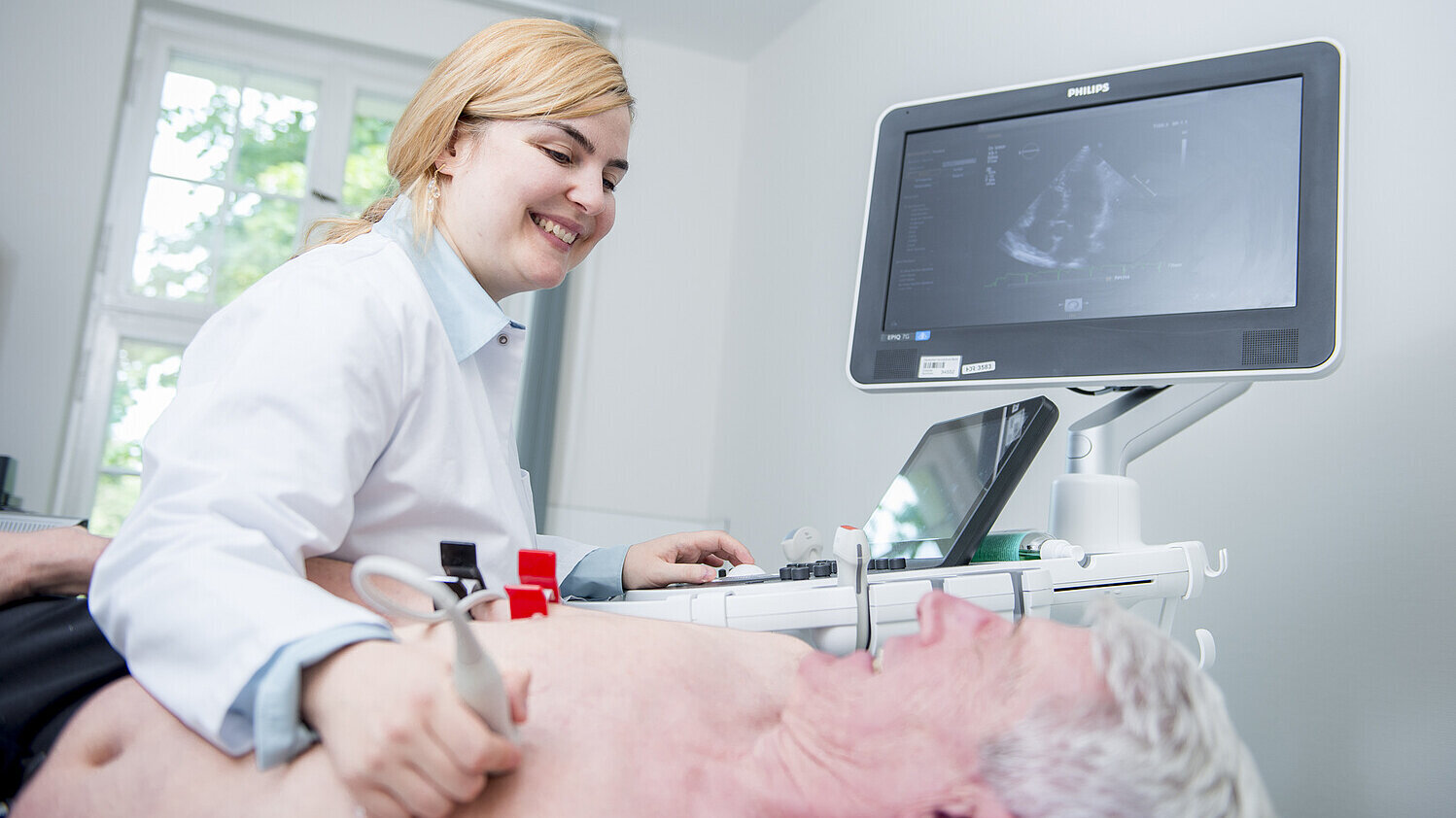
Endocarditis can be reliably detected using echocardiography. This diagnostic method enables detailed imaging of the heart valves and visualises characteristic signs of infection. In patients with suspected endocarditis, echocardiography can make a decisive contribution to confirming the diagnosis.
Diagnosis
The diagnosis of endocarditis requires several steps to confirm the infection, identify the pathogen and determine the extent of heart damage. Here are the most important methods:
Blood tests
Blood cultures play a central role in the diagnosis. Several blood samples are taken and cultured in laboratories to identify the responsible pathogen (in most cases bacteria).
This test also helps to determine which antibiotic is most effective against the pathogen. Several blood samples are taken over a period of time to ensure a high degree of accuracy in recognising the bacteria.
Echocardiography
Echocardiography, in particular transoesophageal echocardiography (TEE), is a key diagnostic method for suspected endocarditis. It enables a detailed visualisation of the heart valves and shows characteristic signs of infection, such as vegetations (accumulations of bacteria on the heart valves), valve perforations or other structural damage.
In some cases, transthoracic echocardiography (TTE) is also performed, which is less invasive. However, this often provides less detailed images compared to transoesophageal examination.
Echocardiography is crucial for recognising abnormalities in the movement of the heart valves and infectious deposits and for confirming the diagnosis of endocarditis.
Laboratory tests
Other blood tests, such as elevated inflammatory markers (e.g. C-reactive protein (CRP) or erythrocyte sedimentation rate (ESR)), indicate systemic inflammation and support the diagnosis.
The haemoglobin value, the leukocyte count and other parameters can indicate infections or complications such as anaemia.
Tissue sample analysis
In certain cases, particularly when cardiac surgery is required, tissue samples are taken from affected heart valves or surrounding tissue and analysed to determine the nature of the infection more precisely.
This histopathological examination can provide additional information, especially if the blood cultures do not detect any pathogens or if rare pathogens are suspected.
Imaging procedures
In addition to echocardiography, other imaging procedures such as a CT scan or MRI may be used, especially if it is suspected that the infection has spread to other organs (e.g. brain or kidneys).
Risk factors
Endocarditis usually occurs when bacteria or other pathogens enter the bloodstream and attach themselves to the heart valves or the inner layer of the heart. Some factors increase the risk of developing endocarditis:
Existing heart disease
People with congenital heart defects or acquired heart valve diseases have an increased risk. These heart defects favour the colonisation of bacteria, as the heart valves or the endocardium are already damaged.
Rheumatic heart disease, which can develop as a result of untreated bacterial infections, also leads to increased susceptibility.
Artificial heart valves
Patients with artificial heart valves or valve prostheses have a significantly higher risk of endocarditis. The artificial materials can be more easily colonised by bacteria.
The risk of contracting the disease is particularly high in the first few months after heart valve surgery.
Intravenous drug abuse
People who use intravenous drugs have a high risk of endocarditis. Unsterile needles and unclean injection methods can introduce bacteria directly into the bloodstream, which can infect the heart tissue.
This form of endocarditis usually affects the right heart valve (tricuspid valve).
Weakened immune system
People with a weakened immune system, for example due to HIV/AIDS, diabetes, chemotherapy or the use of immunosuppressive drugs (e.g. after organ transplants), are more susceptible to infections, including endocarditis.
The immune system is less effective at fighting off invading pathogens, which favours infection.
Previous endocarditis
People who have had endocarditis before are at increased risk of re-infection as the heart tissue may already be damaged.
Dental surgery and other invasive procedures
Procedures in which bacteria from the mouth or other areas of the body can enter the bloodstream (e.g. tooth extractions or operations) increase the risk, especially in people with existing heart valve disease.
Prophylactic antibiotic treatment may be recommended before such procedures to reduce the risk of infection.
Age
Older people have an increased risk, as degenerative changes to the heart valves can occur with increasing age, making them more susceptible to infection. These risk factors should be considered in the prevention and early detection of endocarditis to minimise the risk of serious complications.
In severe cases of endocarditis, surgery may be necessary. The surgeons perform valve repair surgery or replace the defective heart valve with a mechanical or biological heart valve. If the infection has spread to the surrounding tissue, a double valve replacement may be necessary.
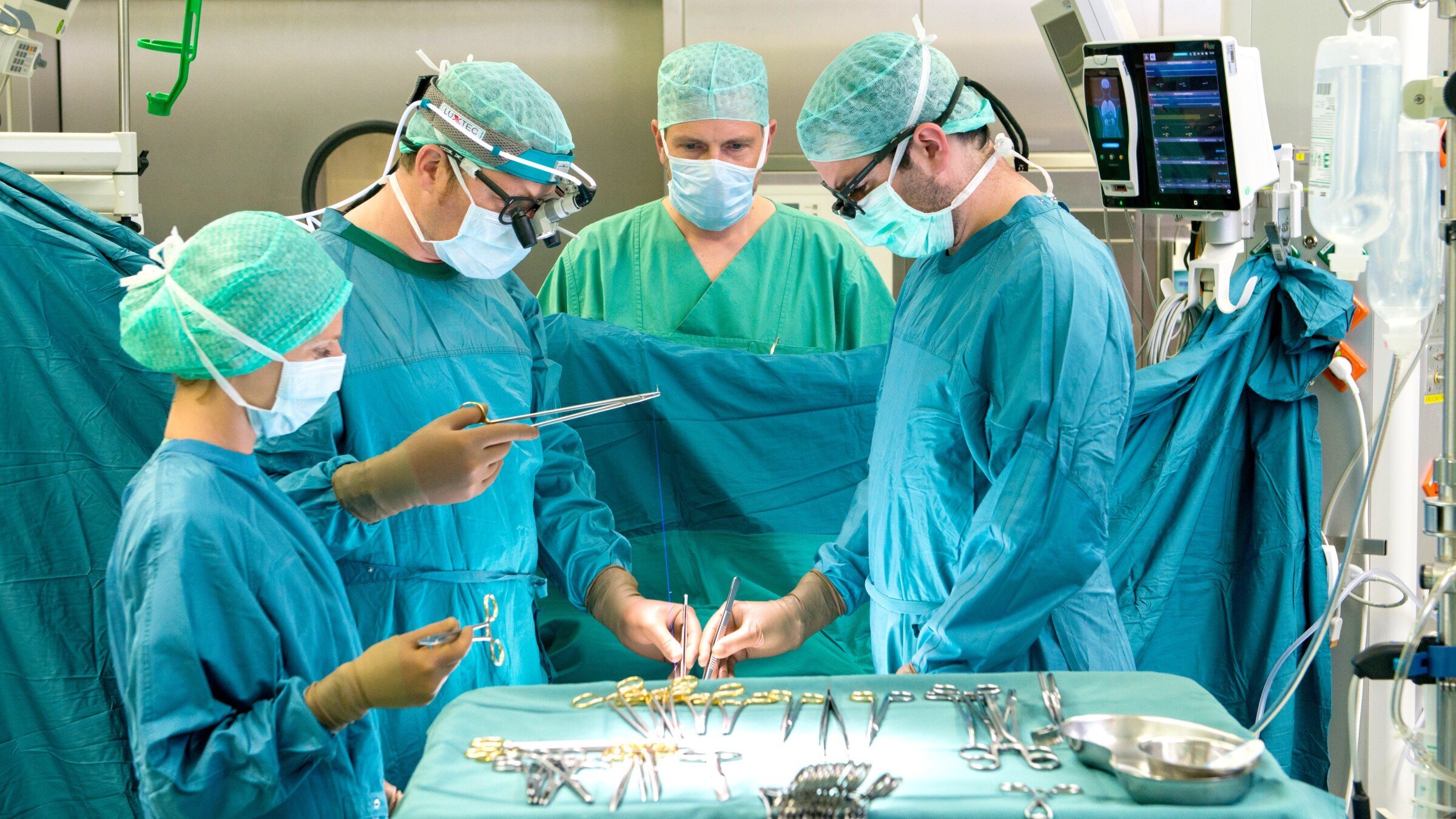
In severe cases of endocarditis, surgery may be necessary. The surgeons perform valve repair surgery or replace the defective heart valve with a mechanical or biological heart valve. If the infection has spread to the surrounding tissue, a double valve replacement may be necessary.
Therapy
There are various ways to treat endocarditis:
Antibiotic therapy: The main treatment consists of a targeted, often lengthy course of antibiotics to combat the pathogens.
Surgery: In severe cases or complications, surgery may be required to repair or replace the heart valves.
Early treatment: Timely diagnosis and treatment are crucial for a good prognosis and to avoid serious complications.
In severe cases of endocarditis or when complications occur, such as severe damage to the heart valves, surgery may be necessary to preserve heart function. Here are the main aspects of such surgical intervention:
Indications for surgery
- Severe valve destruction: If the heart valves are severely impaired by the infection and their function is no longer guaranteed, they must be repaired or replaced. This often involves mechanical damage or perforation of the valves.
- Heart failure: Endocarditis can lead to heart failure, especially if the valves are leaking or the blood flow is obstructed. In such cases, urgent surgery is required.
- Abscesses in the heart: The infection can cause abscesses near the heart valves or in the heart muscle, which must be surgically removed.
- Artificial heart valves: An infected artificial heart valve (prosthesis) affected by endocarditis may require replacement of the valve with a new prosthesis.
- Resistant infections: If a bacterial infection cannot be controlled despite intensive antibiotic therapy, the only option is often surgery to remove the infected tissue and stop the spread of the infection.
Types of surgical procedures
Valve repair
In a few cases where the heart valves are still partially functional, the surgeon will attempt to restore the valve structure to allow better valve function. This can be done by suturing tears or attaching valve rings.
Valve replacement
If the valves are too badly damaged, they are replaced with a mechanical or biological heart valve:
- Mechanical heart valves: These valves are more durable, but patients must take blood thinners for life to prevent blood clots.
- Biological heart valves: These are made of tissue from animals (e.g. pigs or cattle) and have a shorter lifespan, but do not require long-term use of blood thinners.
- If the infection of one or more valves has spread to the surrounding tissue of the heart, a so-called double valve replacement with reconstruction of the surrounding tissue may be necessary. To do this, the centre of inflammation is completely excised and reconstructed.
Risks and prospects of success
As with all operations, there are risks. For example, bleeding, infections, cardiac arrhythmia or functional impairments with the new heart valve can occur after the procedure.
The chances of success of such an operation depend heavily on the patient's condition, the extent of the infection and the experience of the surgical team. However, if the operation is performed in good time and the infected tissue is successfully removed, the long-term prospects are good.
Aftercare
- Intensive follow-up care is required after surgery, including regular check-ups to ensure that the new or repaired valve is functioning properly.
- Once a valve has been replaced with a biological or mechanical prosthesis, prophylactic antibiotic therapy is recommended for dental procedures to reduce the risk of recurrent endocarditis, especially in patients with mechanical valves.
Treatment at the DHZC
At the DHZC, an experienced, interdisciplinary team of doctors and nurses specialises in the treatment of patients with endocarditis. We offer all established diagnostic and therapeutic procedures.
In severe cases of endocarditis or in the event of complications, our surgeons at the Department of Cardiothoracic and Vascular Surgery perform the necessary operations to repair or replace the heart valve with great expertise.
Our teams at the nursing wards of the Clinic for Cardiothoracic and Vascular Surgery and at all three cardiology clinics of the DHZC are also specialised in the care of patients with endocarditis.
Authors


Dr. med. Tobias Röschl absolviert seine ärztliche Weiterbildung in Innere Medizin und Kardiologie an der Klinik für Herz-, Thorax- und Gefäßchirurgie des Deutschen Herzzentrums der Charité (DHZC). Er ist als Arzt auf der Intensivstation eingesetzt.
Dr. med. Leonhard Wert arbeitet als Facharzt für Herzchirurgie an der Klinik für Herz-, Thorax-, und Gefäßchirurgie des Deutschen Herzzentrums der Charité (DHZC).
