Cardiomyopathy
Almost all diseases of the cardiovascular system (e.g. valve diseases, high blood pressure) can have repercussions on the heart muscle and limit its performance. However, there are also ‘separate’ diseases of the heart muscle, known as cardiomyopathies. A distinction is made between those that primarily affect the heart muscle and are usually congenital (primary cardiomyopathies) and those that are associated with diseases of other tissues (secondary cardiomyopathies).
Primary cardiomyopathies include, in particular, dilated cardiomyopathy (DCM) in its familial form, hypertrophic cardiomyopathy (HCM) and arrhythmogenic right ventricular cardiomyopathy (ARVC or ARVD). Left ventricular non-compaction cardiomyopathy (LVNC) is also being recognised more and more frequently. These diseases are caused by genetic defects that have been inherited by the patient or have arisen for the first time (spontaneous mutation). The severity of the change can vary greatly between patients with the same genetic variant (e.g. within the same family) and can range from a normal heart structure to a mild manifestation to severely altered muscles with severe progression. Therefore, the immediate blood relatives of patients with primary cardiomyopathy should also be screened for the presence of cardiomyopathy (familial screening).
A cardiomyopathy is a disease of the heart muscle. A distinction is made between those that primarily affect the heart muscle and are usually congenital (primary cardiomyopathies) and those that are associated with diseases of other tissues (secondary cardiomyopathies).
Picture: Getty Images/Nerthuz
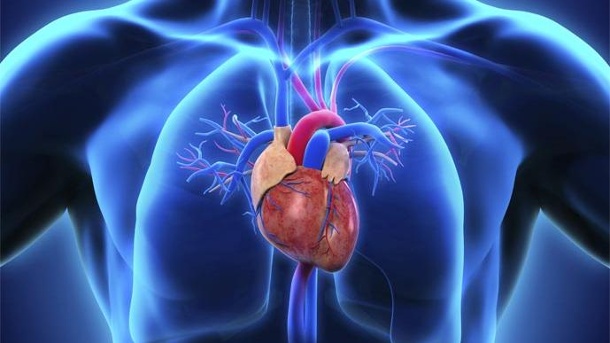
A cardiomyopathy is a disease of the heart muscle. A distinction is made between those that primarily affect the heart muscle and are usually congenital (primary cardiomyopathies) and those that are associated with diseases of other tissues (secondary cardiomyopathies).
Picture: Getty Images/Nerthuz
Primary cardiomyopathy
The symptoms in patients with primary cardiomyopathy can vary greatly. Dilated cardiomyopathy (DCM) and left ventricular non-compaction cardiomyopathy (LVNC) are associated with an enlargement of the left ventricle and a decrease in pumping capacity, which often leads to a decrease in exercise tolerance (heart failure).
Hypertrophic cardiomyopathy (HCM) is characterised by an uneven thickening of the heart muscle, which can also impede blood flow in the heart (hypertrophic obstructive cardiomyopathy, HOCM) and can cause chest pain and sudden unconsciousness, for example. arrhythmogenic right ventricular cardiomyopathy (ARVC) primarily affects the right ventricle, with a particular tendency to dangerous arrhythmias.
Secondary cardiomyopathy
Secondary cardiomyopathies include, in particular, so-called storage diseases. These are diseases in which substances are deposited in the tissue of various organs, including the heart. Examples include amyloidosis, in which the body produces unnecessary proteins, and haemochromatosis, in which there is too much iron in the body (due to genetic defects or repeated blood transfusions over many years, e.g. as part of thalassaemia).
In addition to catheter-based sampling of the heart muscle (myocardial biopsy), magnetic resonance imaging (MRI) plays a key role in the diagnosis of secondary cardiomyopathies and can also be used to monitor the success of treatment.
Inflammation of the heart muscle (myocarditis)
In contrast to the various forms of cardiomyopathy, myocarditis (inflammation of the heart muscle) is , according to current knowledge, not a congenital heart muscle disease, but one that is acquired during the course of life. Viral infections are seen as the trigger. As a rule, illnesses such as influenza or gastrointestinal infections precede myocarditis by a few days to weeks. The severity of myocarditis can range from short-term exercise limitation to heart attack-like chest pain to sudden circulatory failure.
In addition to these acute symptoms, in around one in three cases there is a long-term reduction in the heart's pumping capacity, as in DCM. Diagnosis and treatment of myocarditis sometimes require special methods and are therefore reserved for appropriately experienced centres. All currently available methods are used at the DHZC. They form one of the focal points of patient care and our clinical research.