
Medical management
The Medical Directorate is responsible for managing the medical departments and ensuring the high quality of patient care. It is responsible for the development and implementation of medical standards and the coordination between the various specialist areas. It also contributes to the strategic planning and further development of clinical services and offers.
Medical Directorate
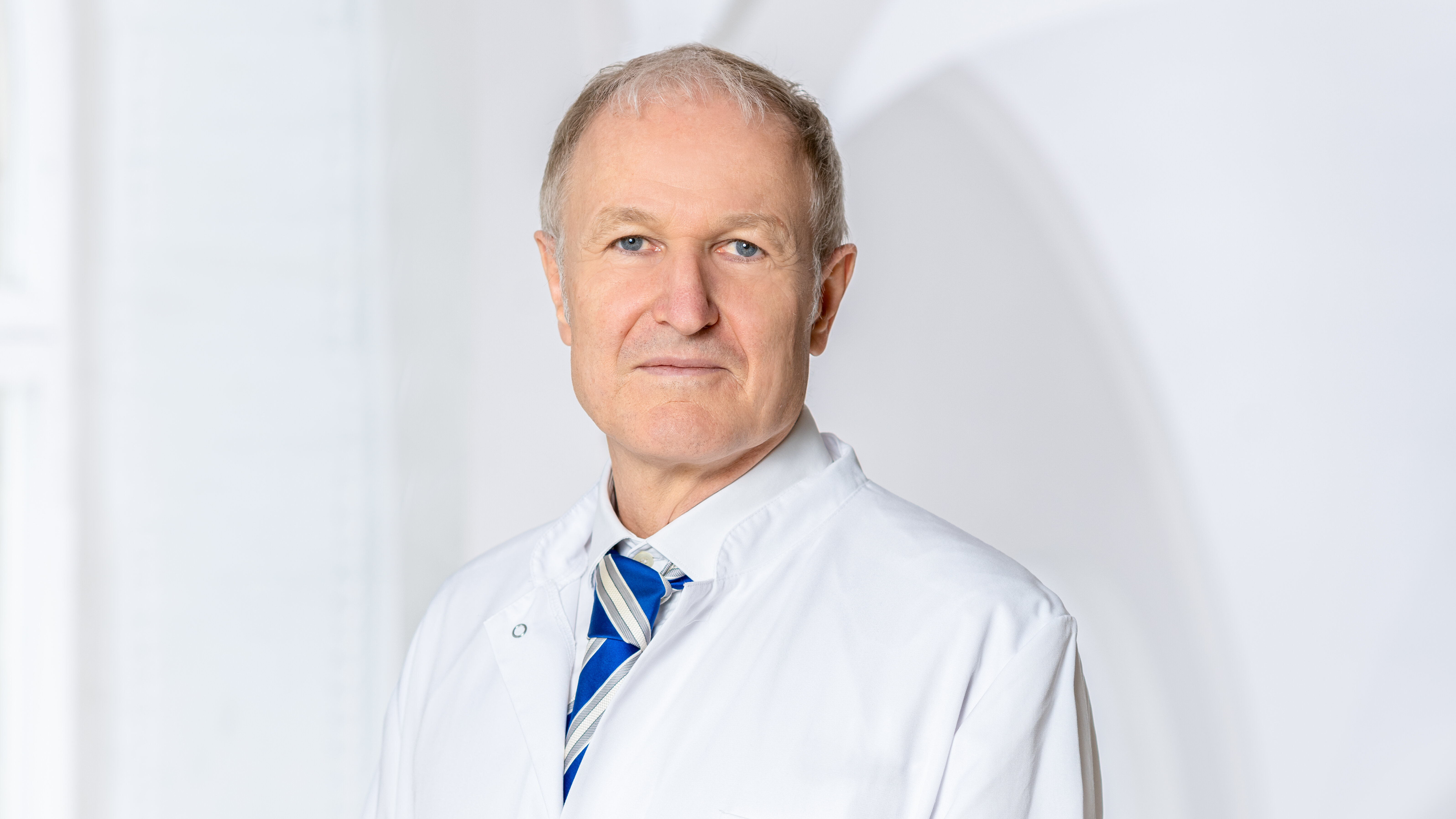
Prof Dr Volkmar Falk is Head of the DHZC Chief Medical Directorate.
Medical Directorate
Prof Dr Volkmar Falk is Head of the DHZC Chief Medical Directorate.
Deputy Medical Director

Prof Ulf Landmesser is Deputy Head of the DHZC Chief Medical Directorate.
Research and Teaching Liaison Office
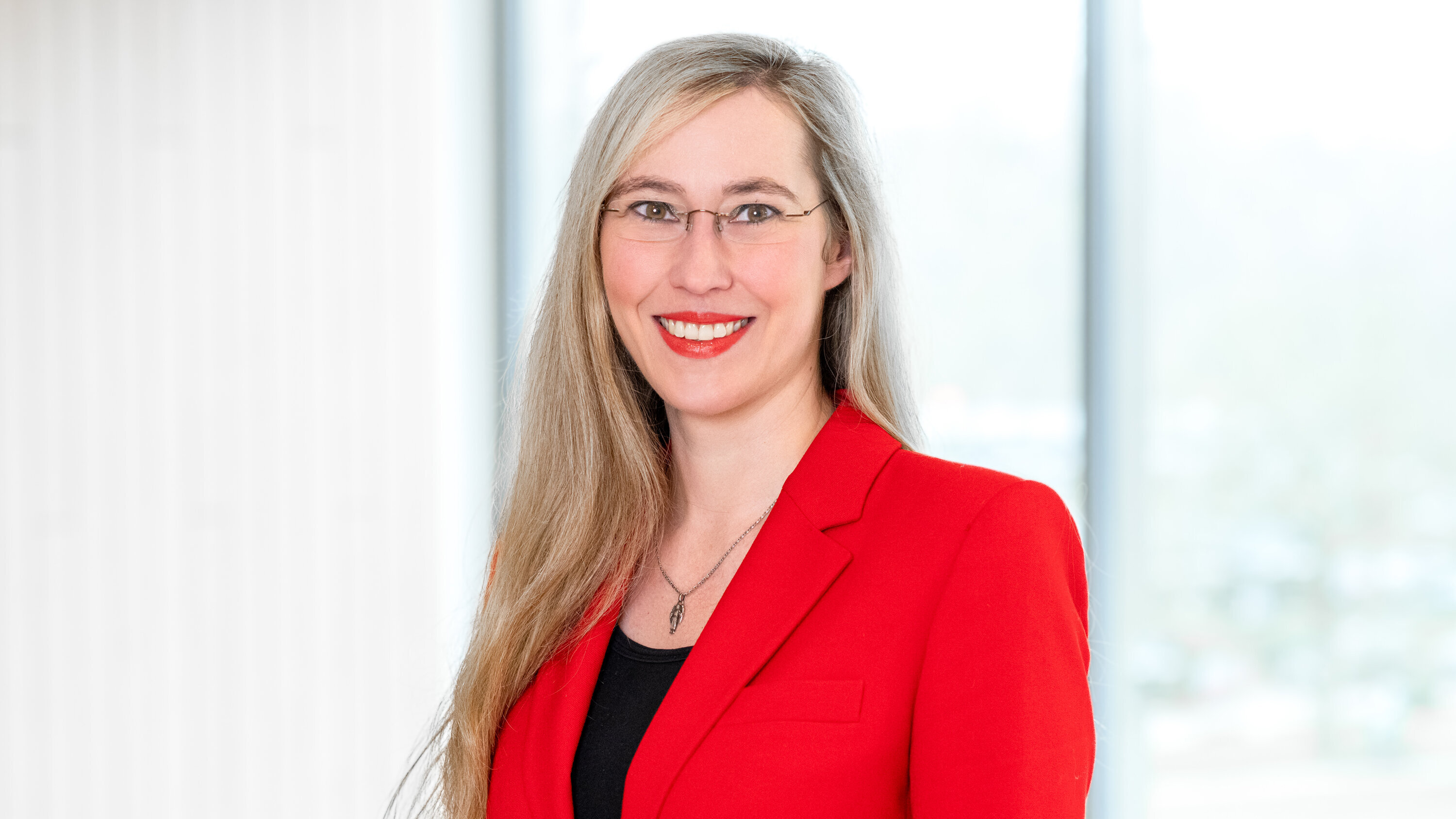
Dr Katja Eddel heads the Research and Teaching Liaison Office in the Deputy Medical Directorate.
Deputy Medical Director
Prof Ulf Landmesser is Deputy Head of the DHZC Chief Medical Directorate.
Research and Teaching Liaison Office
Dr Katja Eddel heads the Research and Teaching Liaison Office in the Deputy Medical Directorate.
Areas of the Medical Directorate
The bodies and committees of the DHZC include the Board of Directors, the Divisional Board and the Extended Divisional Boards.
The DHZC Divisional managers manage the DHZC. Together with the other clinic and institute directors, the Divisional Board forms the Extended Divisional Board as an advisory body.
The DHZC Board of Directors acts as the central supervisory and decision-making body responsible for the strategic direction and monitoring of clinic operations.
Contact persons:
Jonas Stüben and Sabrina Borth
More information
The Digital Innovation Unit (DIU) of the Deutsches Herzzentrum der Charité is a central unit that drives the digitalisation of healthcare and clinics in general and supports it through innovative projects. The DIU aims to improve the efficiency and quality of healthcare through the use of modern technologies and data-based approaches.
The DIU's main tasks include
- Promoting digitalisation: Developing and implementing digital solutions to improve clinical processes and optimise patient care.
- Innovative projects: Carrying out projects to introduce new technologies and methods, such as dynamic reports, analytics applications, predictive modelling and process mining techniques.
- Stakeholder support: Working closely with various stakeholders such as divisional managers:inside, department heads:inside, clinic directors:inside, commercial management and quality assurance to support their work with innovative tools for process and organisational management.
- Data-based tools: Development and provision of tools for analysing and controlling clinical processes, medical quality and key business figures.
The focus is on the development and introduction of innovative data-based tools. These should help to control processes more efficiently and enable well-founded decision-making. The Digital Innovation Unit thus makes a decisive contribution to the continuous improvement of healthcare at the DHZC through the targeted use of state-of-the-art technologies.
Management:
Prof. Dr Alexander Meyer, Chief Medical Information Officer of the DHZC
Simon Puxbaumer, Chief Information Officer of the DHZC
The Deutsches Herzzentrum der Charité is one of the leading international centres for the lifelong care of patients with congenital heart defects. However, there is still comparatively little data available on the long-term development and quality of life of this patient group - and correspondingly few well-founded and standardised care concepts.
In order to close this gap, the DHZC will create the first working area for Developmental Pediatrics in Cardiac Medicine in Germany in 2023 and establish a W3 professorship for Developmental Pediatrics at Charité, the only one of its kind to date.
This will create the basis for the establishment of a developmental paediatrics centre at the DHZC - and thus the framework for the structured, targeted development of the quality of care for patients with congenital heart defects, flanked by intensive research and teaching.
Director:
Prof Dr Katharina Schmitt
More information
Imaging procedures such as echocardiography, computerised tomography (CT) and magnetic resonance imaging (MRI) allow a view of the heart from the outside. Cardiovascular Imaging Units are indispensable for recognising cardiovascular diseases at an early stage and treating them appropriately. At the DHZC, we use state-of-the-art, high-performance imaging techniques to provide our patients with the best possible care.
The cardiovascular imaging team at the DHZC, Campus Virchow-Klinikum comprises a total of 19 people. It is interdisciplinary and consists of colleagues from the Department of Cardiology, Angiology and Intensive Care Medicine at the Campus Virchow-Klinikum, the Department of Cardiothoracic and Vascular Surgery, the Department of Congenital Heart Defects and the Department of Radiology (of the Charité Centre CC06).
The work area reports to Prof Dr Volkmar Falk as Medical Director of the DHZC. It comprises the MRI department and the CT/X-ray department.
Prof. Dr Sebastian Kelle (cardiologist, Senior physician at the Department of Cardiology, Angiology and Intensive Care Medicine at the Virchow-Klinikum campus) heads the MRI department for adult patients and Prof. Dr Titus Kühne (paediatric cardiologist at the DHZC and Head of the Institute of Computer-assisted Cardiovascular Medicine ICM at the DHZC) for children. Dr Boris Gorodetski, radiologist and specialist at the Charité Clinic for Radiology (with the paediatric radiology department), is in charge of the CT/X-ray department.
More information
The staff at the Cardiovascular Telemedicine Centre develop telemedical product innovations in research projects and test them in clinical trials. In our Centre for Cardiovascular Telemedicine, we also care for patients with chronic heart failure. We also offer this telemedical co-care for patients as a regular health insurance benefit.
Management:
Prof Dr Friedrich Köhler
More information
The DHZC's Corporate Communications department is the point of contact for information about the Deutsches Herzzentrum der Charité (DHZC), press and expert enquiries, publications and background information. In our press area you will find further information, news, downloads and contacts.
Management:
Christian Maier
More information
Psychocardiology deals with the reciprocal relationship between heart disease and mental well-being. On the one hand, heart disease can have an impact on mental well-being and be accompanied by a depressive mood, for example. On the other hand, mental well-being can have an impact on heart health and, for example, lead to an increase in the symptoms of heart disease.
At the DHZC, doctors, psychologists and nursing staff with various specialisations work closely together to ensure holistic care specifically in the area of heart disease. Our team looks after and advises patients, parents and relatives, offers further training and conducts scientific studies.
Management:
Prof Dr Katharina Schmitt
More information
Excellent quality in the treatment and care of our patients and patient safety are top priorities at the DHZC. Quality Management (QM) at the DHZC contributes to improving the quality of services and care on a daily basis through the conceptual design, control and further development of our quality management system at the DHZC.
Quality Management is involved in the planning, initiation, coordination and evaluation of internal QM projects, such as the development and implementation of quality indicators, projects on indication quality and the cross-clinic harmonisation of standards and procedural instructions.
Contact (e-mail)
All anaesthesia, cardiac catheterisation and operating theatre functional services at the DHZC are part of the organisational unit Cardiac Intervention Suite and Operation Room Management, or CISORM for short. By creating uniform working standards and quality controls as well as optimising the deployment of personnel, patients are treated uniformly and in accordance with the highest quality standards.
The CISORM team at the DHZC comprises around 190 colleagues. It is headed by Sabine Krukenkamp and the medical representatives of the cardiac catheterisation and operating theatre departments, Prof. Dr Carsten Skurk and Dr Matthias Hommel, MBA.
More information
