
The DHZC becomes a magnet clinic
The concept of "magnet clinics" was developed in the USA in the 1980s. A shortage of nursing staff, dissatisfied staff and poor quality of care were the rule rather than the exception.
But not everywhere: some clinics had both satisfied staff and well-cared-for patients. A study by the Academy of Nursing, America analysed the strengths of these clinics and developed a concept for applying these principles and a certificate for their successful implementation.
60 clinics from six European countries are now taking part in "Magnet4Europe": a study on the implementation of the Magnet concept in Europe. It is based on 5 principles, the - sometimes somewhat cryptic - names of which we want to make clear. After all, the goals of the Magnet concept are as easy to understand as they are obvious: high quality of care, made possible by a culture of respect and appreciation, flat hierarchies and interprofessionalism, innovation and measurable progress! One thing is clear: it's going to be a long road. But we must and will walk it together.
How it all began
What is behind Magnet certification – and why is it so important for all our hospital employees?
Magnet certification was originally developed in the USA by the American Nurses Credentialing Center (ANCC). In the 1980s, the question arose: What makes certain hospitals particularly attractive to nurses – even in times of staff shortages? A study identified common characteristics of these so-called “Magnet hospitals” – including strong nursing leadership, high quality of care, interdisciplinary collaboration, and an appreciative work environment.
This led to the creation of the Magnet Recognition Program® – a framework that is now considered the gold standard for excellence worldwide, because a nursing issue became an interprofessional approach that today strengthens and connects the entire hospital and leads it into the future together.
Magnetically attractive
Watch our video for more insights into Magnet at the DHZC!
In 2 minutes and 55 seconds, we explain how the DHZC wants to become “magnetic” – with a guarantee, so to speak.
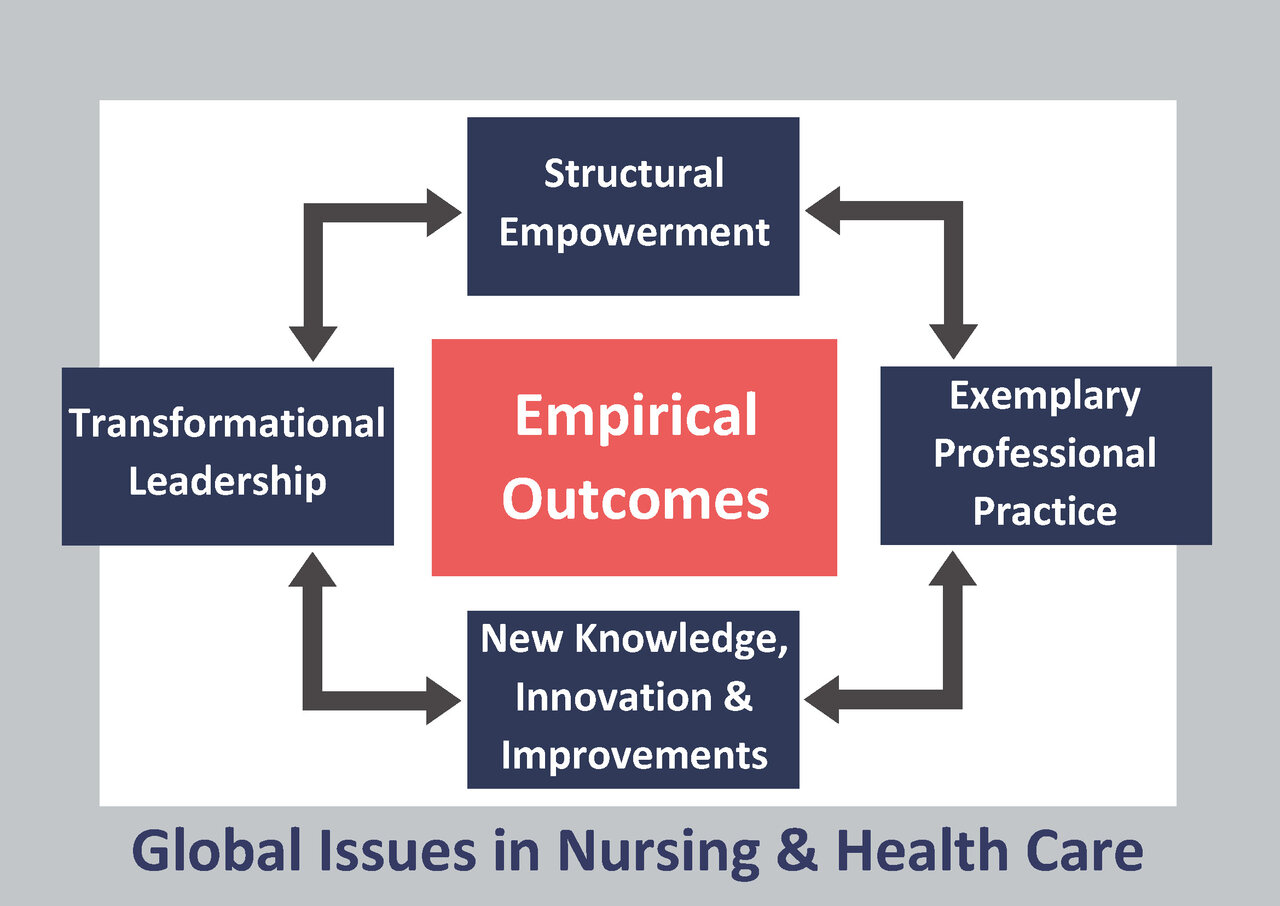
Magnet: Five pillars
At the heart of this program are five central pillars that structure the path to Magnet certification:
- Transformational Leadership – Leadership that inspires, acts with vision, and actively shapes change
- Structural Empowerment – structures that empower employees to take responsibility and help shape the future
- Exemplary Professional Practice – outstanding professional practice based on evidence and interprofessional collaboration
- New Knowledge, Innovations and Improvements – continuous development through research, innovation and a culture of learning
- Empirical Outcomes – measurable results that demonstrate that quality, safety and satisfaction are truly achieved
How does Magnet work at the DHZC?
Magnet is more than just a concept—it lives through the people who help shape it.
Here, employees from various departments at the German Heart Center at Charité talk about how Magnet has changed their everyday work, what it means to them, and why they are so enthusiastic about it:
What does magnet mean for care?
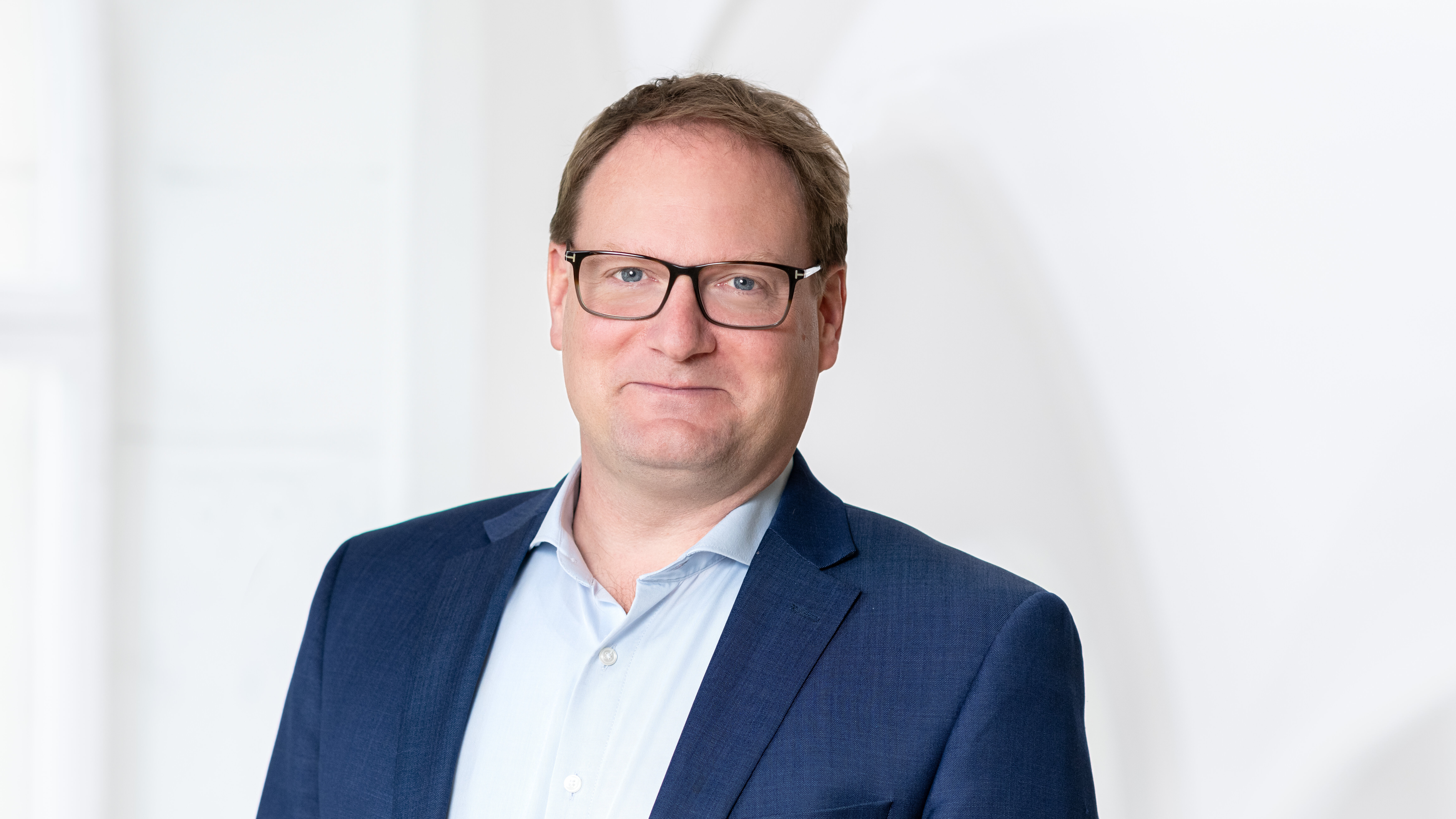
“For me as Director of Nursing, Magnet means making the impact of nursing visible—professionally, qualitatively, and economically. What originally emerged from nursing is now having an impact on the entire organization: Magnet empowers all professional groups to achieve excellence together in a patient-centered and evidence-based manner.”
Sebastian Dienst, Director of Nursing at DHZC
“For me as Director of Nursing, Magnet means making the impact of nursing visible—professionally, qualitatively, and economically. What originally emerged from nursing is now having an impact on the entire organization: Magnet empowers all professional groups to achieve excellence together in a patient-centered and evidence-based manner.”
Sebastian Dienst, Director of Nursing at DHZC
“Care is no longer viewed solely as a cost factor, but as a key driver of patient health, outcomes, and organizational quality. This visibility creates pride and responsibility because it highlights the difference that professional care makes every day.”
At the same time, Magnet is a scientifically proven mission: we know that nursing care and interprofessional collaboration can have a positive impact on key outcomes. This means that we are not dependent on external circumstances—we ourselves have the opportunity to initiate change and actively shape quality. This realization challenges us because it makes our responsibility visible. But this is precisely what gives us the strength, motivation, and shared determination to provide high-quality care every day," adds Sebastian Dienst.
How does Magnet change corporate culture?
"Magnet is not a normal ‘project’; it is a strategically motivated change in the culture of our hospital – starting with the DHZB and now in the DHZC.
Our heart center must prepare itself for a future marked by demographic change and a shortage of skilled workers – while at the same time achieving its core strategic goals of “quality first, excellence, and healthy profitability.”
We hope that the Magnet initiative will make a significant contribution to achieving these goals and ensuring the future viability of the DHZC."
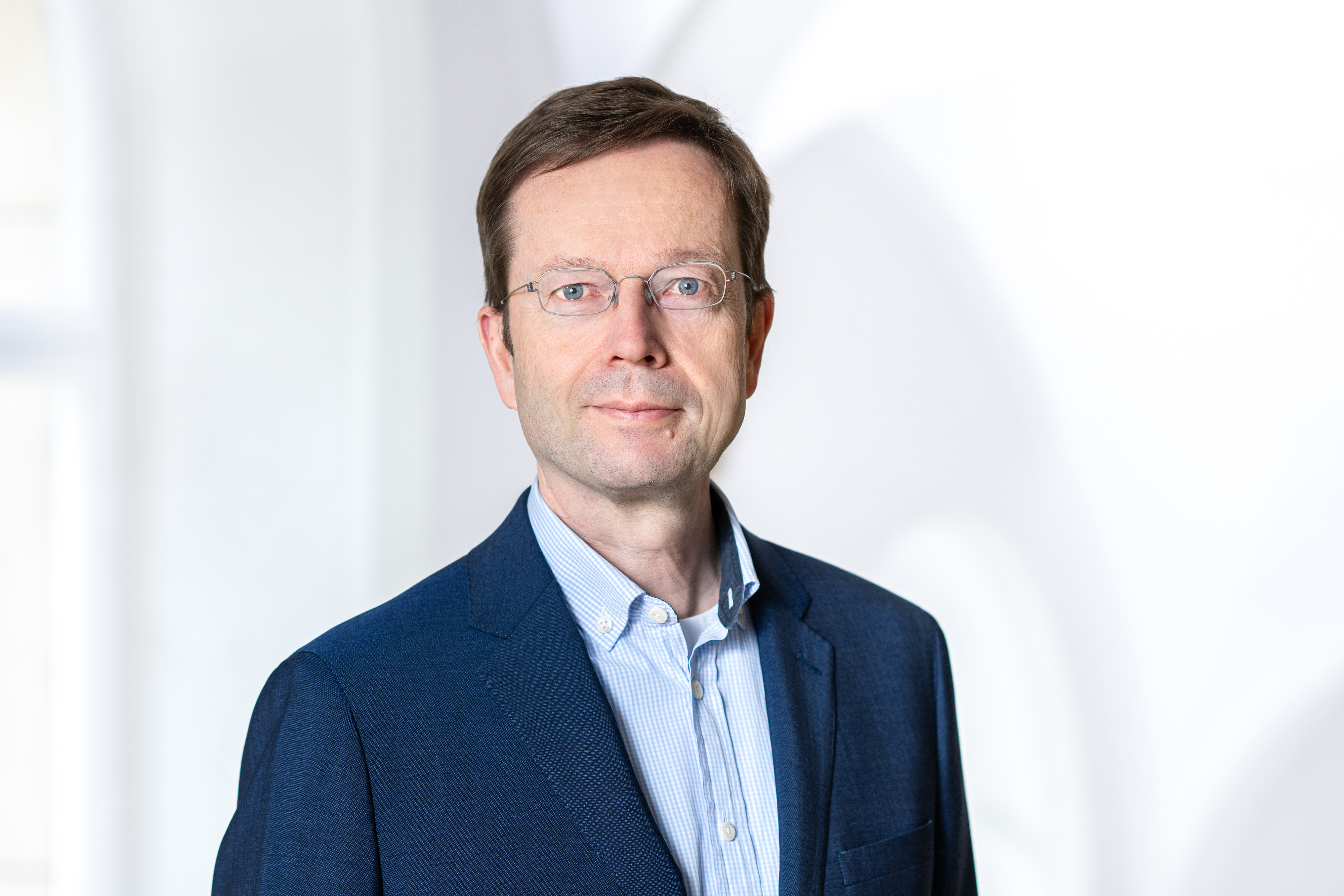
Dr. Rolf Zettl, Commercial Director of the DHZC
"Magnet is not a normal ‘project’; it is a strategically motivated change in the culture of our hospital – starting with the DHZB and now in the DHZC.
Our heart center must prepare itself for a future marked by demographic change and a shortage of skilled workers – while at the same time achieving its core strategic goals of “quality first, excellence, and healthy profitability.”
We hope that the Magnet initiative will make a significant contribution to achieving these goals and ensuring the future viability of the DHZC."
Dr. Rolf Zettl, Commercial Director of the DHZC
What does magnet mean to you?
"For me, Magnet means excellence in nursing care and genuine appreciation for our work in an interprofessional team.
It changes not only structures, but also attitudes—toward more personal responsibility, participation, and quality, which has a positive effect on the care of our patients.
We are seeing colleagues bringing new motivation to their work and initiating change together. That inspires me and gives me courage for the future.
The Magnet project opens up new perspectives—for our team, our daily work, and our joint development in the hospital."
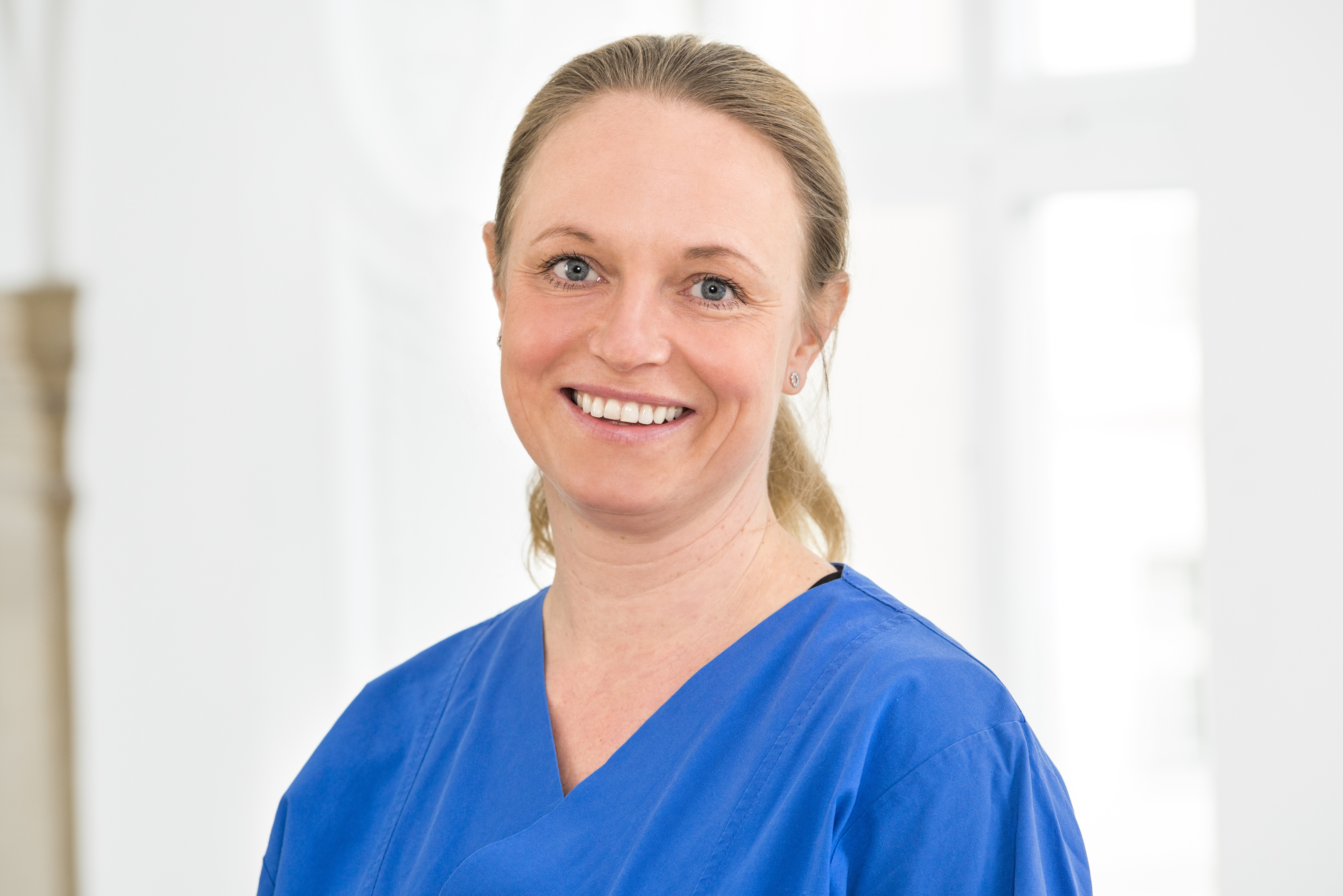
Stefanie Asböck, Nursing Station Manager WD8
"For me, Magnet means excellence in nursing care and genuine appreciation for our work in an interprofessional team.
It changes not only structures, but also attitudes—toward more personal responsibility, participation, and quality, which has a positive effect on the care of our patients.
We are seeing colleagues bringing new motivation to their work and initiating change together. That inspires me and gives me courage for the future.
The Magnet project opens up new perspectives—for our team, our daily work, and our joint development in the hospital."
Stefanie Asböck, Nursing Station Manager WD8
What opportunities does Magnet offer us?
"The magnet model is based on human beings and their basic needs: to do something well, to pursue a worthwhile goal, to be able to develop one's talents, and to receive recognition for one's achievements.
This benefits each individual, but also the team itself. Energy is released in the right way; clearly defined strategies and goals are pursued rigorously, responsibility for the common cause is gladly assumed, and self-efficacy is experienced.
The result is excellent cooperation to achieve the best possible quality of treatment, patient safety, and satisfaction. Trust is built and appreciation is felt—every day and with every heartbeat!
Prof. Dr. Joachim Photiadis, Director of the Clinic for Pediatric Cardiac Surgery
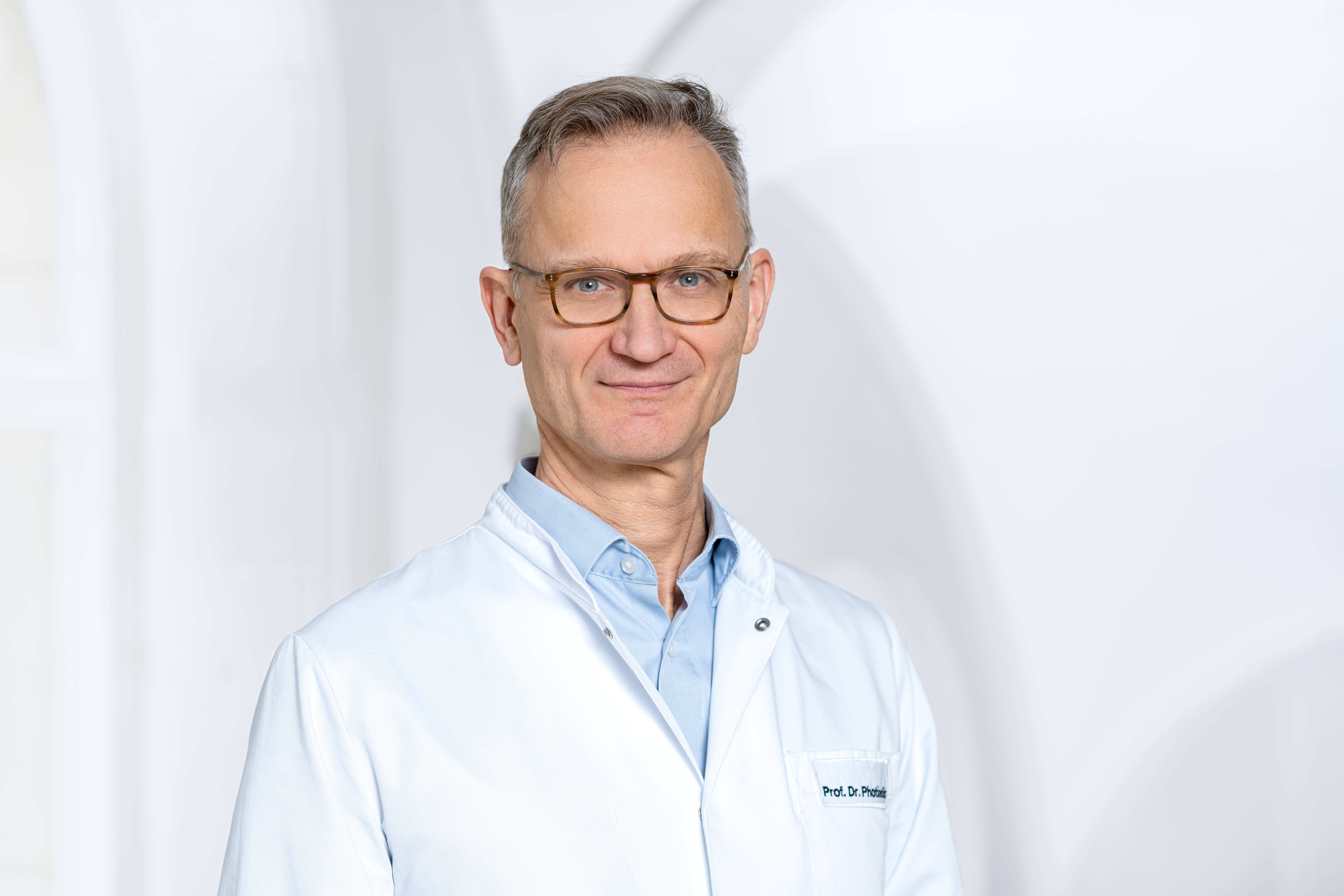
"The magnet model is based on human beings and their basic needs: to do something well, to pursue a worthwhile goal, to be able to develop one's talents, and to receive recognition for one's achievements.
This benefits each individual, but also the team itself. Energy is released in the right way; clearly defined strategies and goals are pursued rigorously, responsibility for the common cause is gladly assumed, and self-efficacy is experienced.
The result is excellent cooperation to achieve the best possible quality of treatment, patient safety, and satisfaction. Trust is built and appreciation is felt—every day and with every heartbeat!
Prof. Dr. Joachim Photiadis, Director of the Clinic for Pediatric Cardiac Surgery
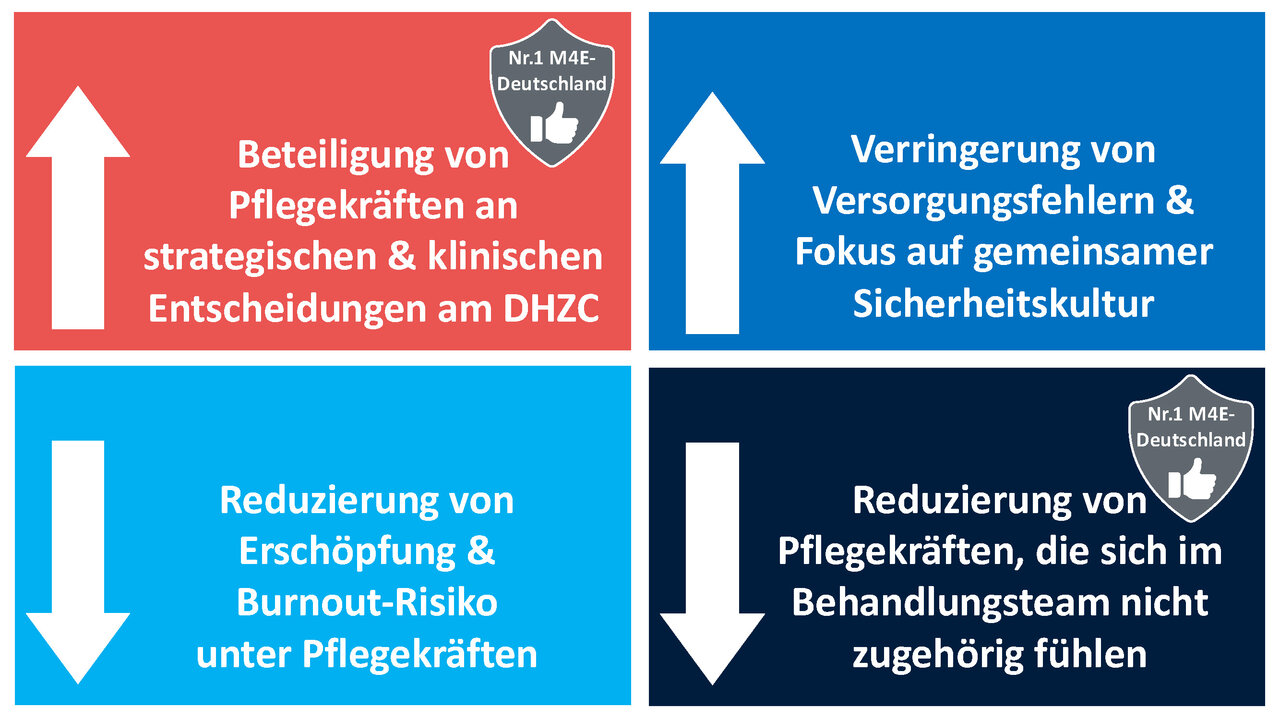
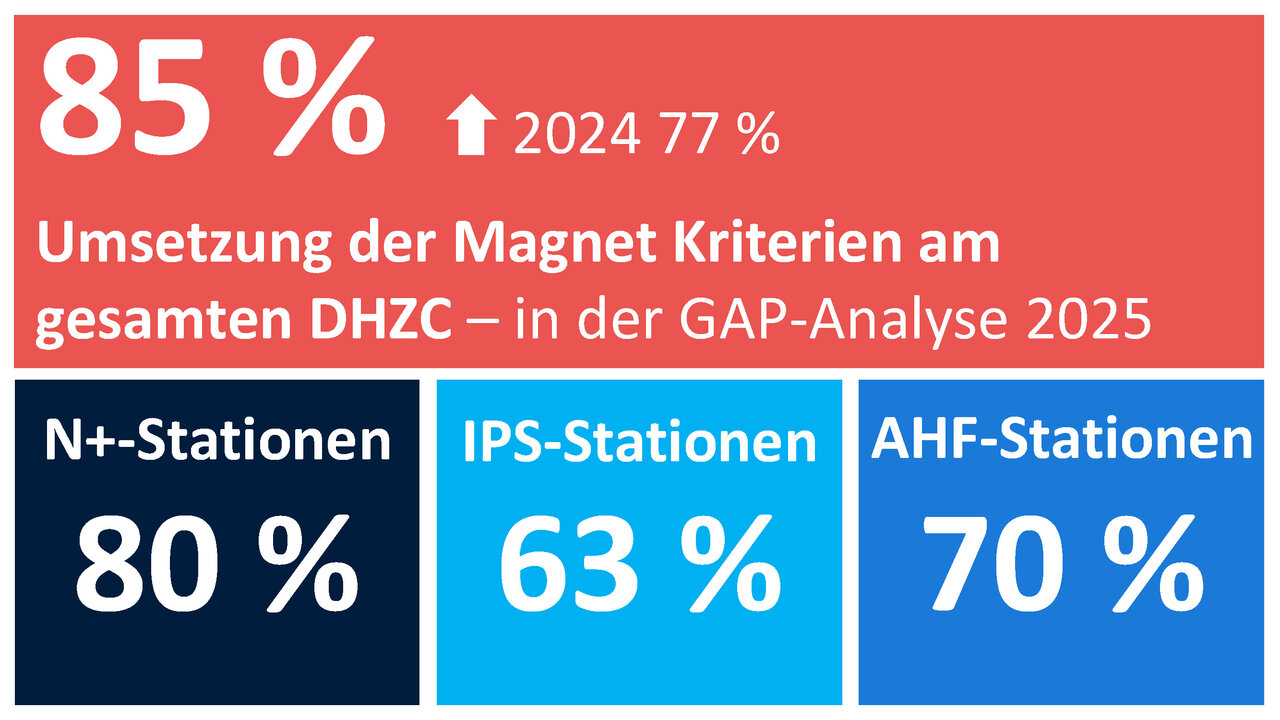
During the Magnet4Europe study, great things were achieved at the DHZC: Our “Magnet readiness” continues to develop, and the results of the ongoing GAP analysis show a clear and stable improvement in all relevant areas.
Nursing staff are now more involved in decision-making, and Magnet-relevant skills have visibly improved. The working environment has noticeably improved – while many other clinics in Germany have suffered setbacks.
We are leading the way nationwide in closing quality gaps for Magnet recognition and have reduced the proportion of nursing staff at high risk of burnout, contrary to the nationwide trend.
The safety culture has become more stable and stronger, while elsewhere it has declined. We are particularly proud of one thing: never before have so many nursing staff felt like an integral part of their team – a strong signal of cohesion, commitment, and lived values at the DHZC.
Our Magnet team connects people with passion—as a source of ideas and a companion on the path to Magnet certification. Because we believe that great things can only be achieved together.
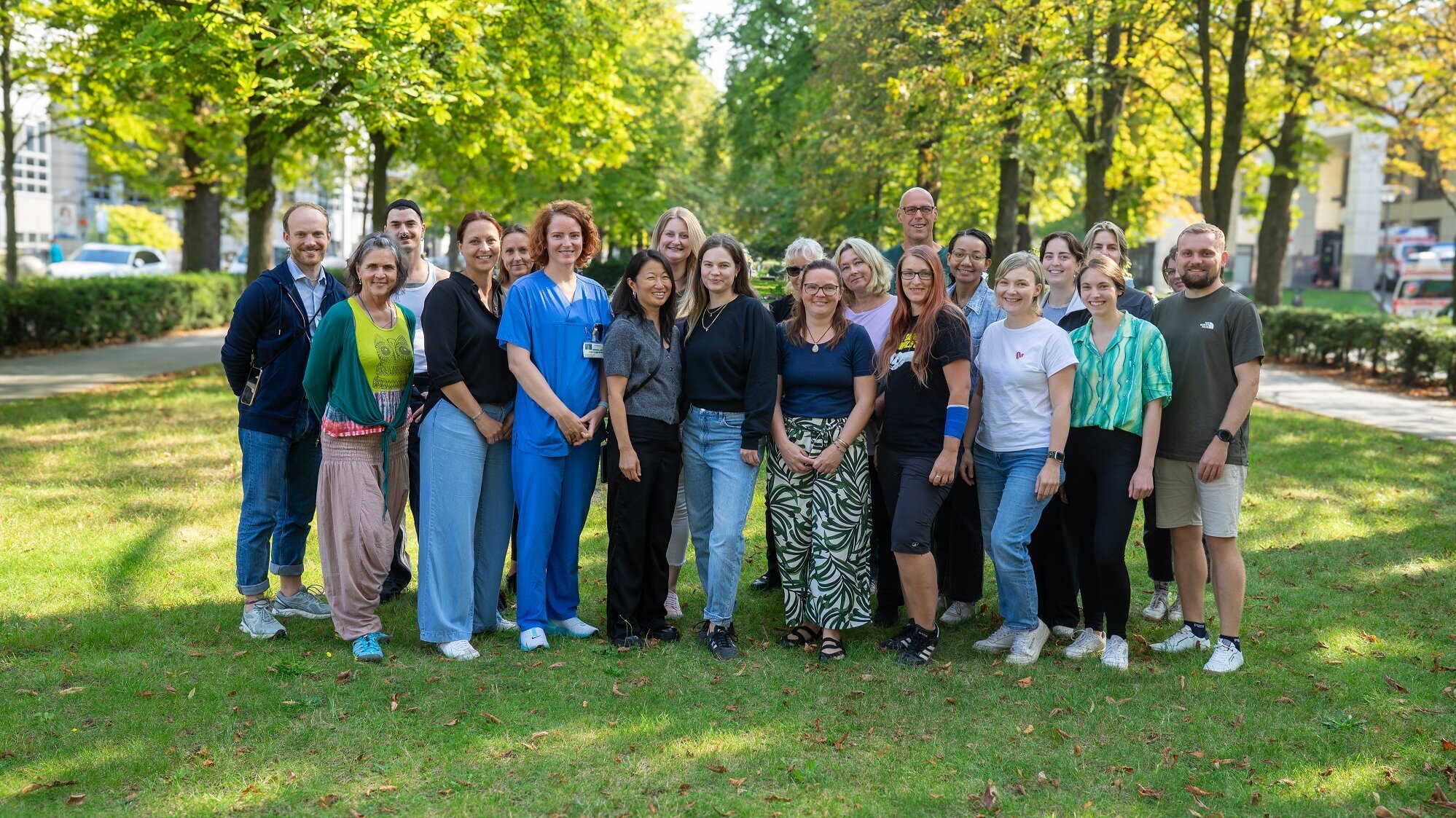
Our Magnet team connects people with passion—as a source of ideas and a companion on the path to Magnet certification. Because we believe that great things can only be achieved together.
What motivates our team on the way to becoming a magnet clinic?
“Here we can contribute our thoughts and experiences and have practical projects that we tackle together. We learn a lot from each other and are bringing about a targeted process of change at the DHZC. I am proud to be a member of my ward team at WD8 and the Magnet team.”
Anne Bettmann, Ward WD8
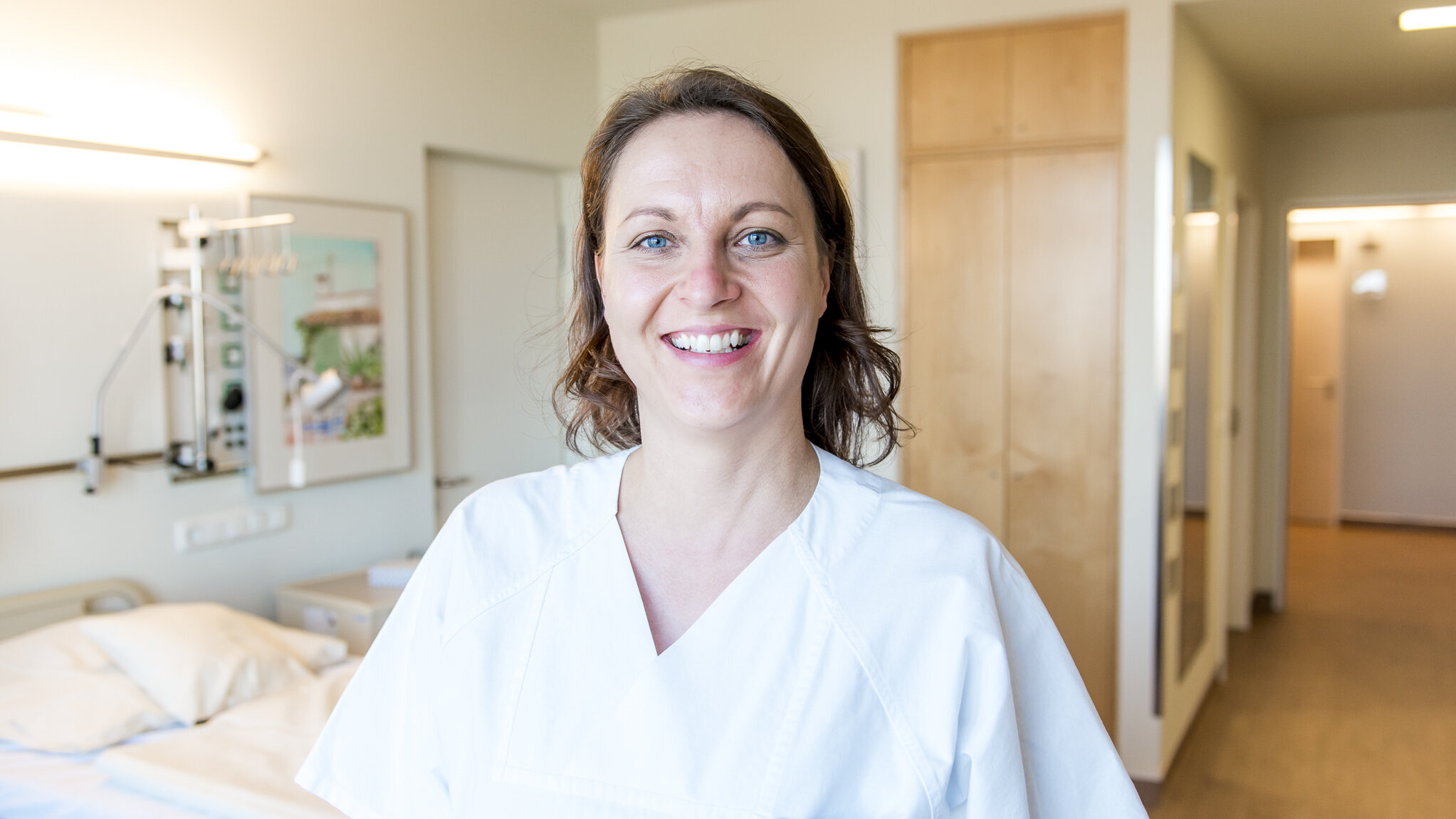
“Here we can contribute our thoughts and experiences and have practical projects that we tackle together. We learn a lot from each other and are bringing about a targeted process of change at the DHZC. I am proud to be a member of my ward team at WD8 and the Magnet team.”
Anne Bettmann, Ward WD8
“Magnet – I want it! Be magnetic, attract new motivated colleagues. With practical projects that motivate a wide variety of professions to work together and provide patient care with joy and energy. I have been part of the Magnet team since the end of 2022 and am thrilled by how much can be achieved together and collaboratively.”
Marion Kullat, Ward WD2
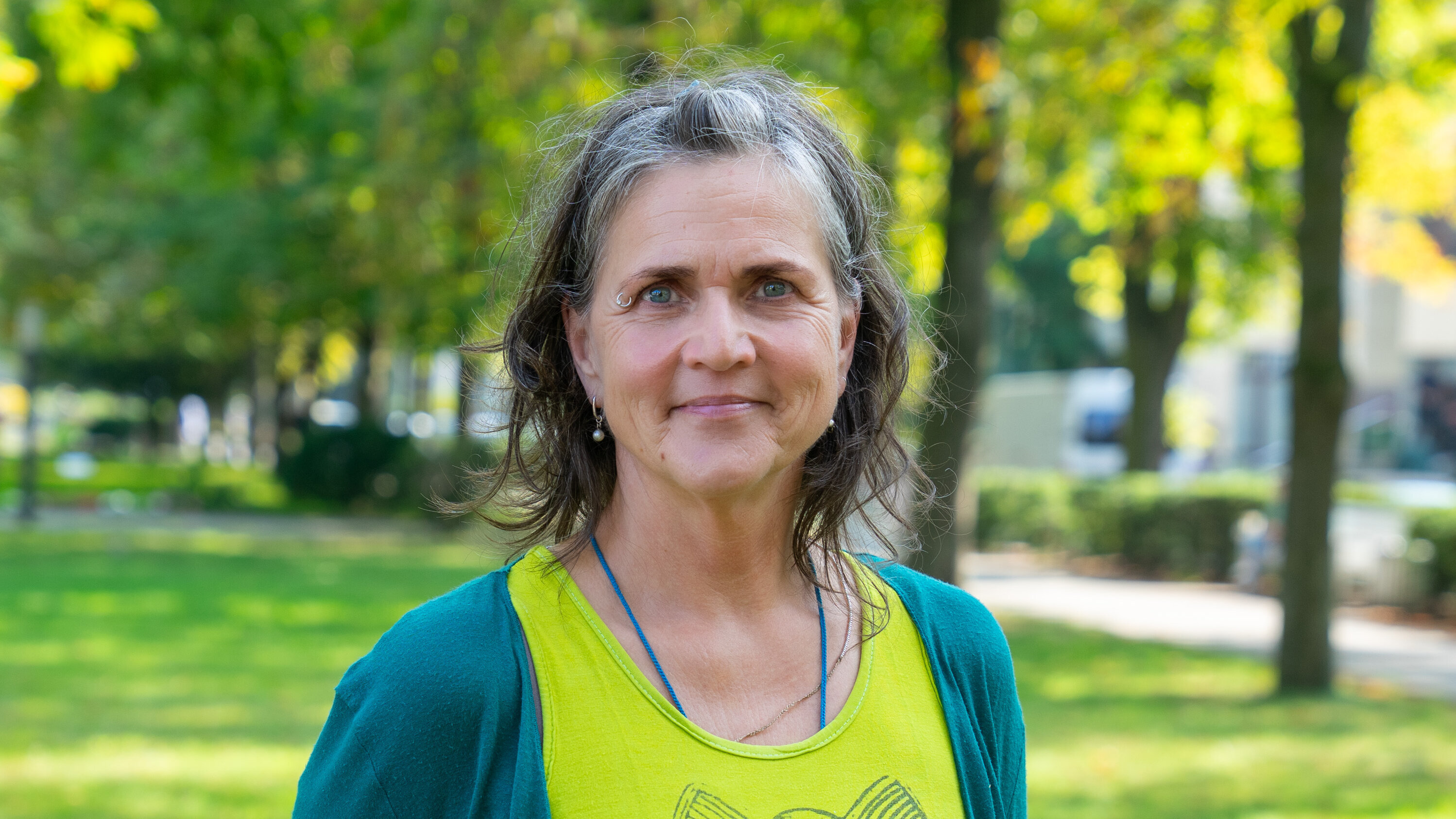
“Magnet – I want it! Be magnetic, attract new motivated colleagues. With practical projects that motivate a wide variety of professions to work together and provide patient care with joy and energy. I have been part of the Magnet team since the end of 2022 and am thrilled by how much can be achieved together and collaboratively.”
Marion Kullat, Ward WD2
“We want to ease the workload, leverage the diverse strengths of the teams, and break new ground together. I have the opportunity to contribute to our meetings in every way, exchange ideas with other professional groups on an equal footing, and help shape solutions. What are we waiting for? Let's get started!”
Simon Gemović, Station W3
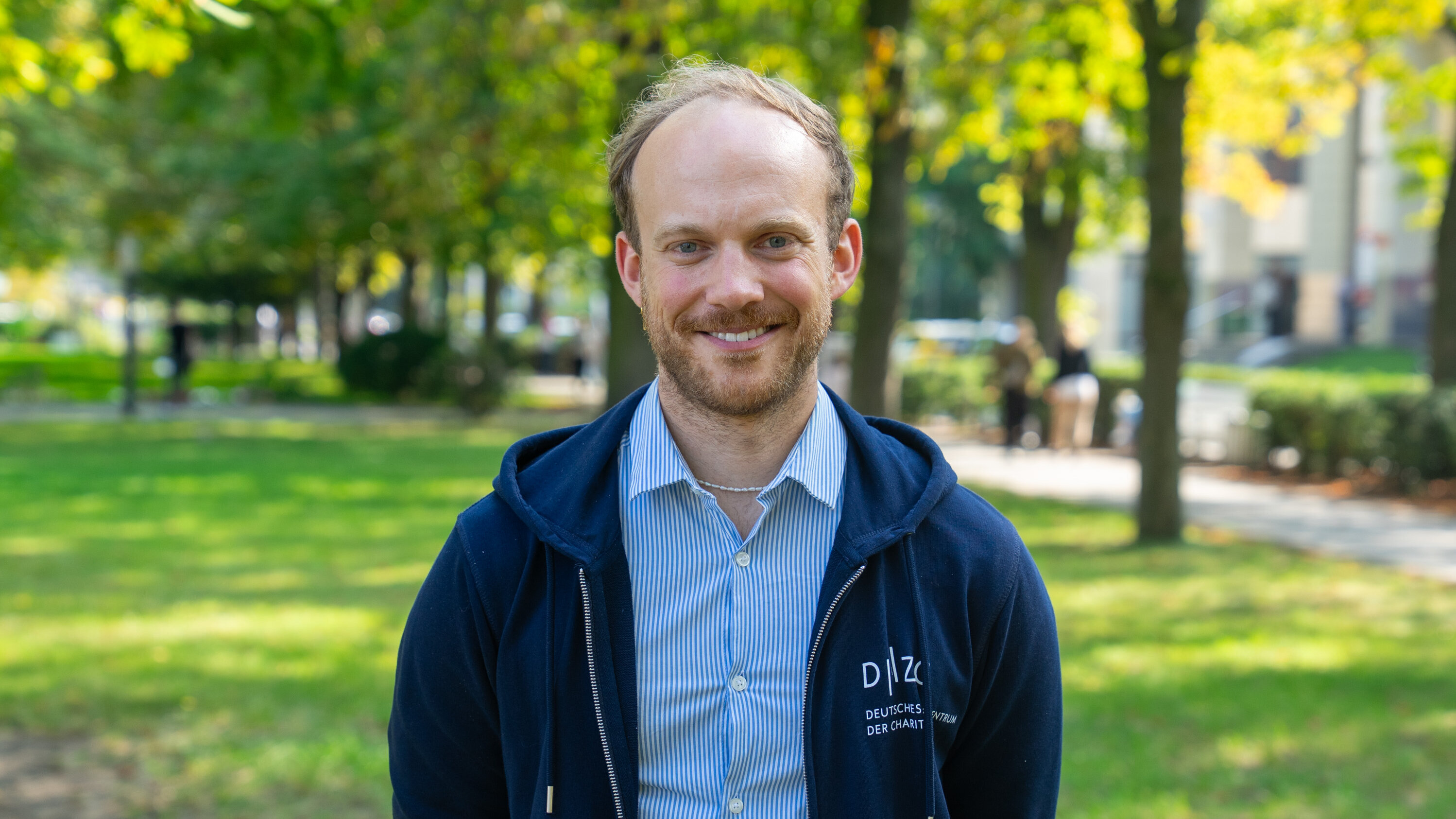
“We want to ease the workload, leverage the diverse strengths of the teams, and break new ground together. I have the opportunity to contribute to our meetings in every way, exchange ideas with other professional groups on an equal footing, and help shape solutions. What are we waiting for? Let's get started!”
Simon Gemović, Station W3
#MagnetExperience – our projects, our progress
Magnet is not a promise on paper—it is change that you can feel. Over the past months and years, many teams in our organization have developed ideas, questioned processes, and courageously tried new things.
Whether it's better communication within the team, more say on the ward, structured training, or patient-centered improvements – Magnet thrives on its employees, their commitment, and their creative drive.
Here we present a selection of Magnet projects that have already been successfully implemented – born out of everyday life, supported by employees, designed for greater quality, cooperation, and the future:
The multidisciplinary rounds bring together knowledge, perspectives, and people who often work side by side in everyday hospital life. Doctors, nurses, therapists, and other professionals work together at the bedside to provide the best possible care—in an interdisciplinary manner, on an equal footing, and with the patient at the center.
Keeping track of everything in the hectic everyday life of a hospital while communicating respectfully within the team is not always easy. Our badge cards provide support in precisely this area: they show at a glance what is important to us in our interactions with one another – how we want to work, what we stand for, and what values shape our everyday life at the clinic. As practical companions to employee ID cards, they offer compact knowledge, clear communication aids, and a daily reminder of our common goals.
Sometimes a conversation is all it takes to discover new perspectives. Sometimes all you need is someone to listen, encourage you, or share their own experiences. That's exactly what mentoring at the DHZC is all about—a format that connects people in hospitals across different professional groups.
Highest level of care, genuine appreciation, real participation—many of us are familiar with the Magnet principles from here. But what are they like in the USA, where it all began?
The Magnet exchange program in the USA gives colleagues from our hospital the opportunity to experience exactly that: everyday working life at the Magnet-certified Northwestern Medicine Delnor Hospital near Chicago – right on site, as part of the team, in real hospital life.
Von Sebastian
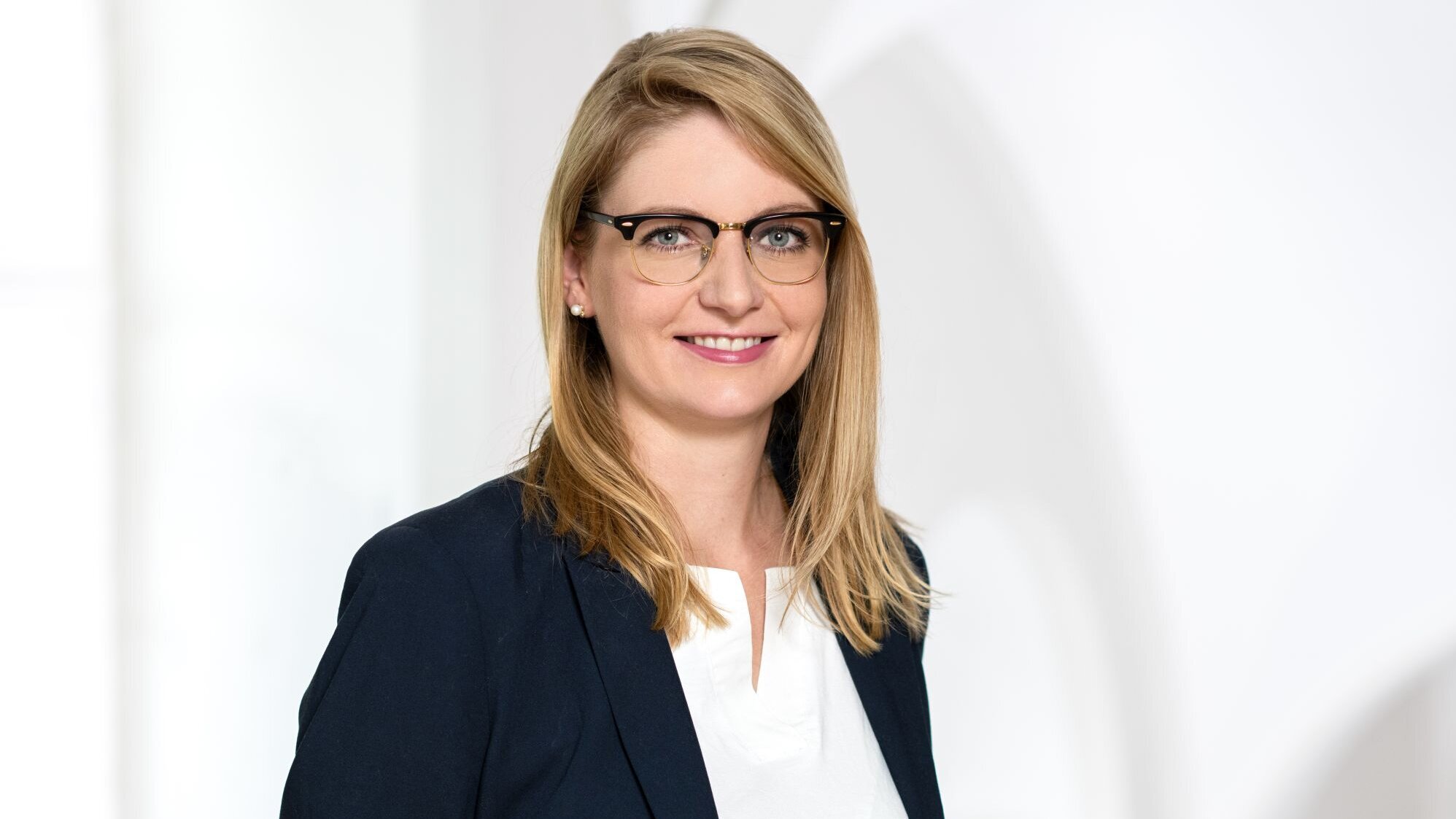
Contact person & contact details
Elena Wuzel-Samimi
Member of the Nursing Management Team & Magnet Project Manager
Have we sparked your interest, or do you have any questions?
Feel free to contact us!
Elena Wuzel-Samimi
Member of the Nursing Management Team & Magnet Project Manager
Have we sparked your interest, or do you have any questions?
Feel free to contact us!
