
Transition Clinic at the DHZC
Patients with a congenital heart defect receive medical care from birth and require lifelong medical support. As they grow older, not only do their medical needs change, but so do their personal needs. Issues such as independence, responsibility, and managing everyday situations—including sports, friendships, hobbies, school, sexuality, pregnancy, and life planning—play an important role in their overall health.
The transition from pediatric and adolescent cardiology care to adult cardiology presents a particular challenge for many adolescents and young adults and is often associated with uncertainty and questions. Substantial support can help promote adherence—that is, sticking to the jointly agreed-upon treatment goals—and thereby improve quality of life.
A well-planned transition can be crucial for leading a self-determined and independent life. This need requires greater attention within the healthcare system—and this is where we aim to provide concrete support.
The Transition Clinic at the DHZC offers a structured support program for adolescents and young adults aged 13 to 21 with a congenital or acquired heart defect or who have undergone a heart transplant.
The goal is to promote independence and help patients better understand how to manage their condition.
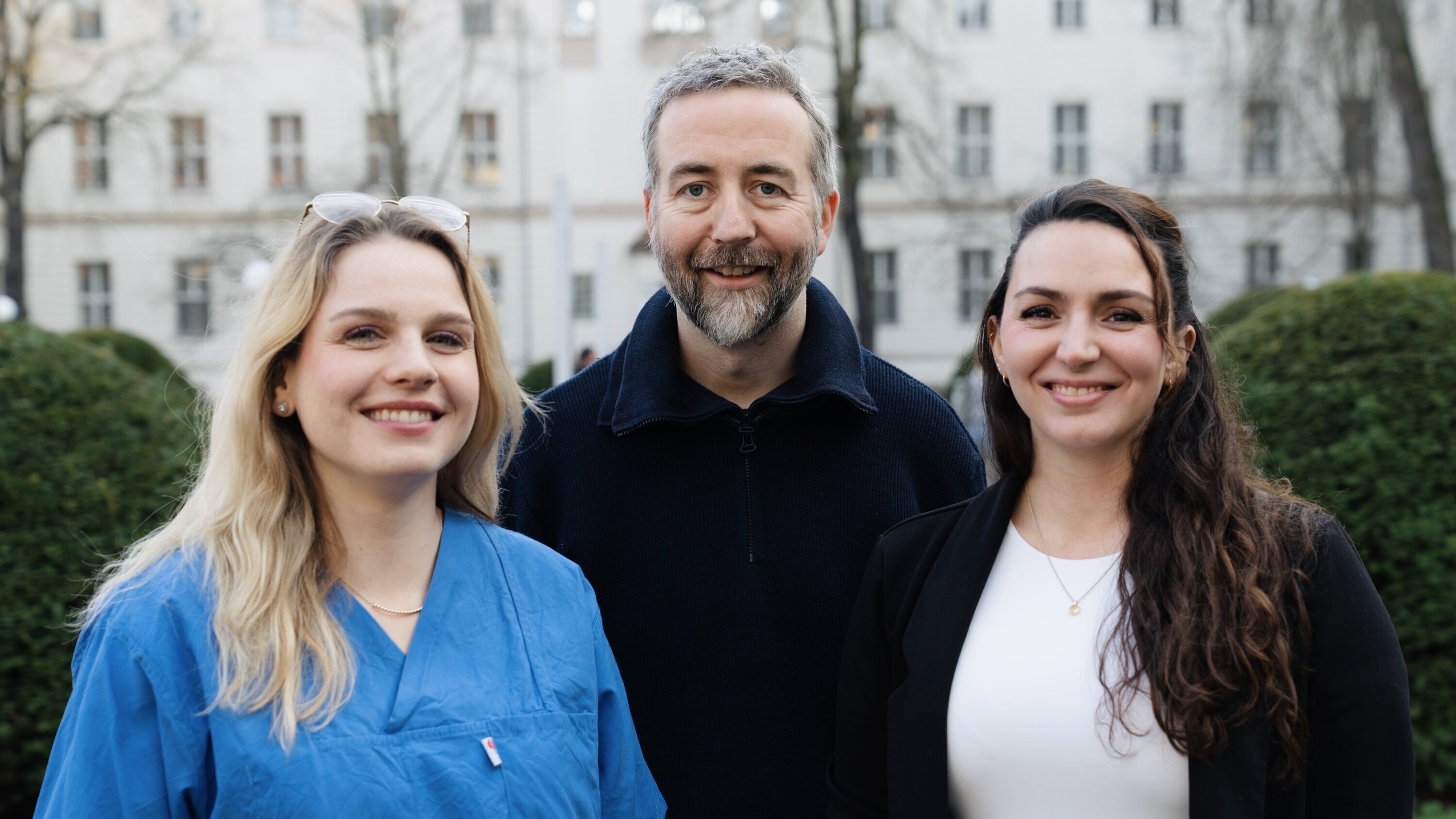
The Transition Clinic at the DHZC offers a structured support program for adolescents and young adults aged 13 to 21 with a congenital or acquired heart defect or who have undergone a heart transplant.
The goal is to promote independence and help patients better understand how to manage their condition.
Our Services
We help young people better understand their condition and treatment. We guide them as they gradually take on more personal responsibility and support them so they can independently and competently navigate the challenges of the healthcare system. If needed, we can discuss topics such as lifestyle, life planning, career choices, hobbies, or mental well-being. We can also involve other departments through an interdisciplinary approach.
Through our transition consultation, we aim to ensure continuity of care, promote independence, and improve our patients’ quality of life.
Office hours:
Fridays from 9:00 a.m. – 12:00 p.m.
Location:
Room:
German Center for Child and Adolescent Health (DZKJ)
Nordring 5, 2nd Floor
Charité Campus Virchow-Klinikum (CVK)
Contact and Appointments:
German Heart Center at Charité (DHZC)
Augustenburger Platz 1
13353 Berlin
T: +49 30 4593 2275
transition@dhzc-charite.de
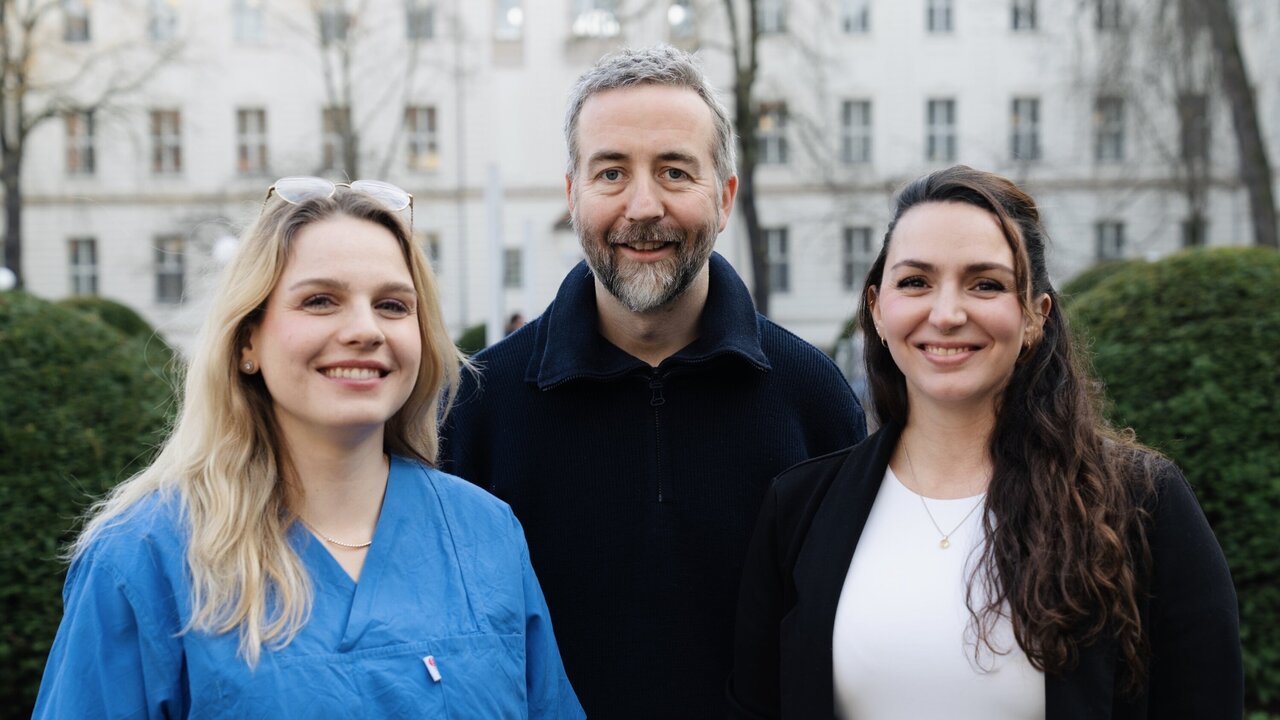
The transition clinic is located within the “Developmental Pediatrics in Cardiology” department at the DHZC. The staff members work closely with the teams from Psychocardiology, the Clinic for Congenital Heart Defects – Pediatric Cardiology, and the EMAH Center at the DHZC.
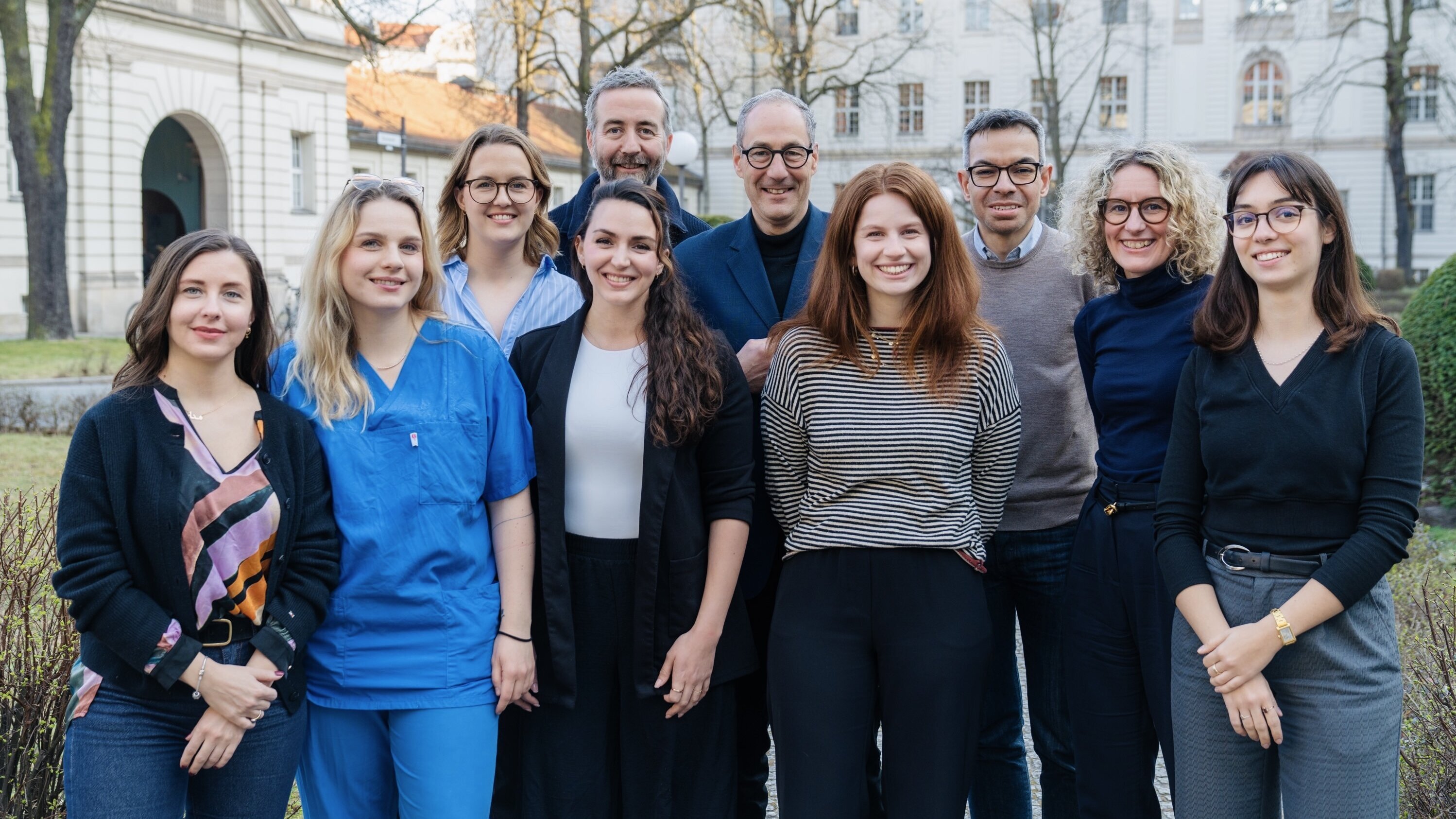
The transition clinic is located within the “Developmental Pediatrics in Cardiology” department at the DHZC. The staff members work closely with the teams from Psychocardiology, the Clinic for Congenital Heart Defects – Pediatric Cardiology, and the EMAH Center at the DHZC.
