
Developmental paediatrics in cardiac medicine
Thanks to major advances in paediatric cardiac medicine, many patients with severe congenital heart defects now also reach adulthood. Even after discharge from hospital, however, they still require close, interdisciplinary and specialised treatment - for the rest of their lives.
The German Heart Centre at Charité is one of the leading international centres where patients with congenital heart defects receive lifelong care. However, there is still comparatively little data available on the long-term development and quality of life of this patient group - and correspondingly few well-founded and standardised care concepts.
In order to close this gap, an area of work for developmental paediatrics in cardiac medicine was created for the first time in Germany at the DHZC in 2023 and a unique W3 professorship for developmental paediatrics was established at Charité. The professorship has been filled by Prof. Dr Katharina Schmitt.
With the establishment of the department and the professorship for developmental paediatrics, the DHZC has created the basis for the establishment of a developmental paediatric centre - and thus the framework for the structured, targeted development of the quality of care for patients with congenital heart defects, flanked by intensive research and teaching.
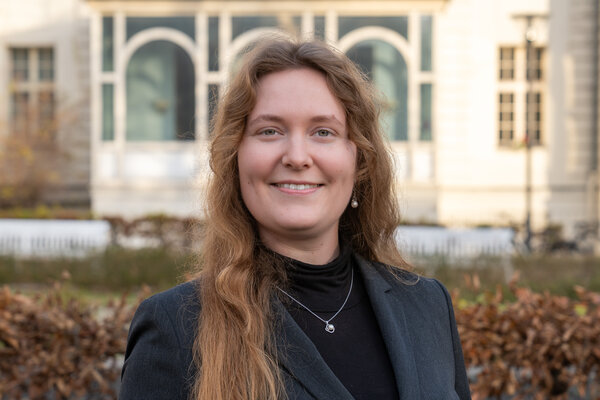
Prof. Dr Katharina Schmitt has been appointed Professor of Developmental Paediatrics in Cardiac Medicine at the Charité. She is a specialist in paediatric cardiology and has been working at the DHZC since 2002.
Katharina Schmitt is medical director of the "Developmental Paediatrics in Cardiac Medicine" department and of Psychocardiology at the DHZC.
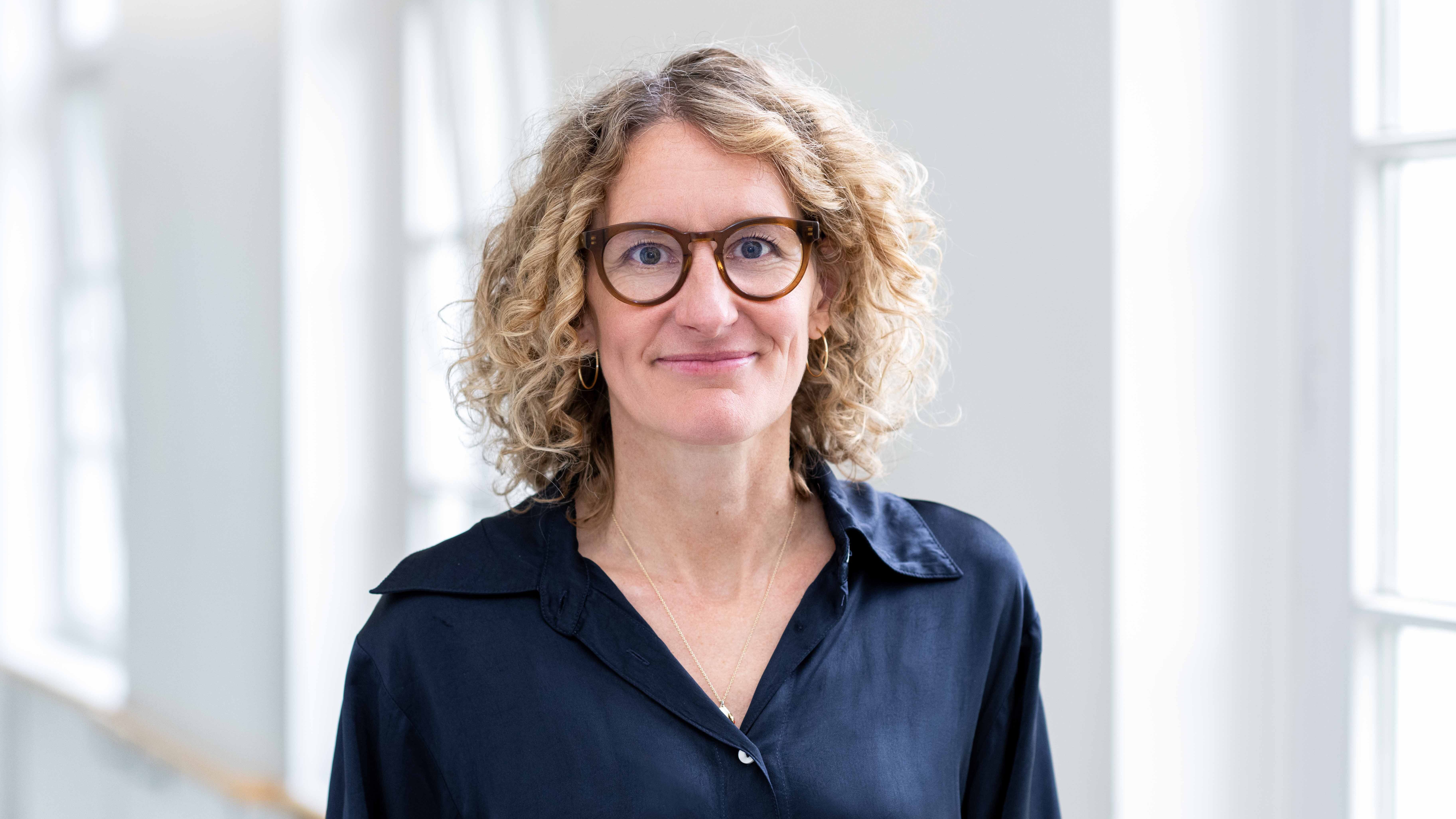
Prof. Dr Katharina Schmitt has been appointed Professor of Developmental Paediatrics in Cardiac Medicine at the Charité. She is a specialist in paediatric cardiology and has been working at the DHZC since 2002.
Katharina Schmitt is medical director of the "Developmental Paediatrics in Cardiac Medicine" department and of Psychocardiology at the DHZC.
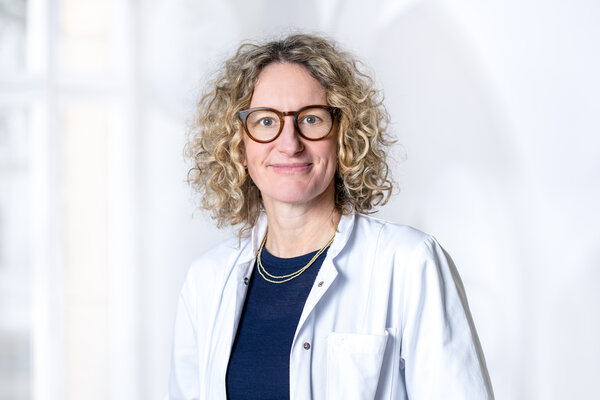
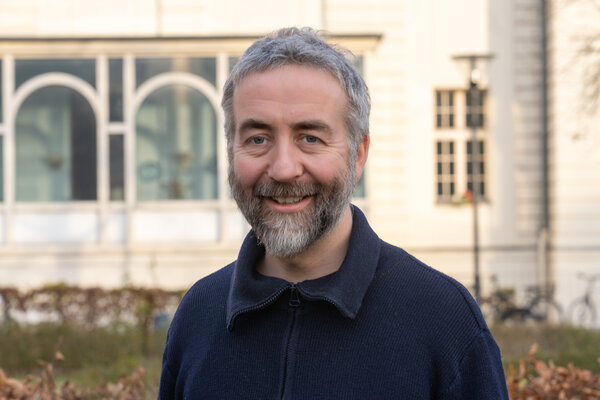
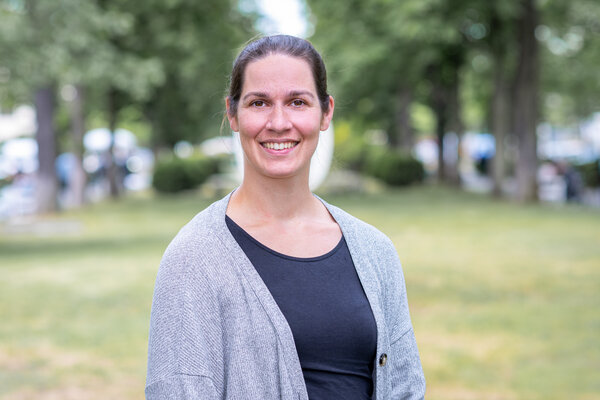
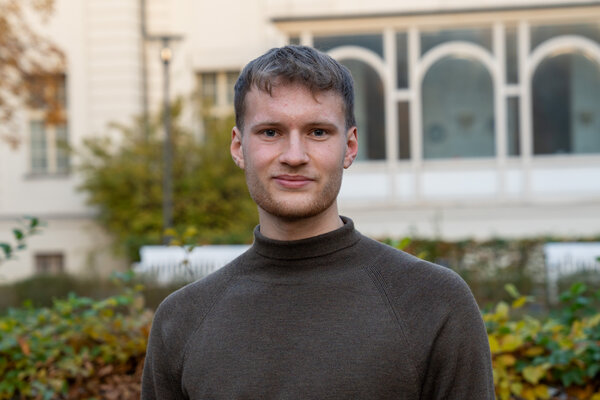
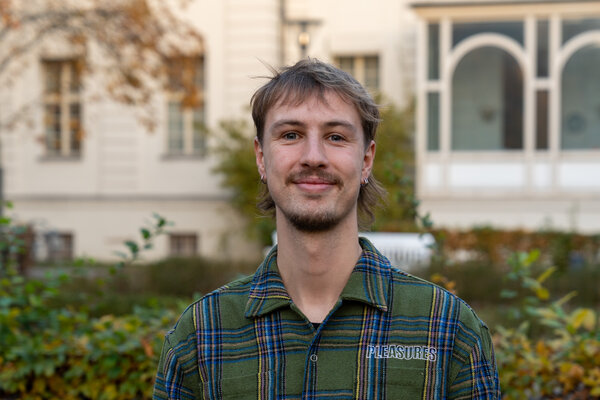
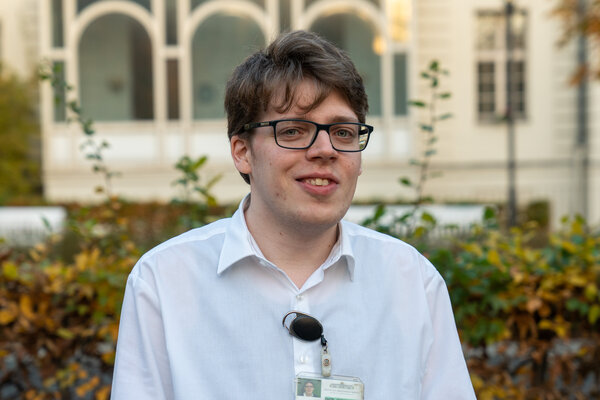
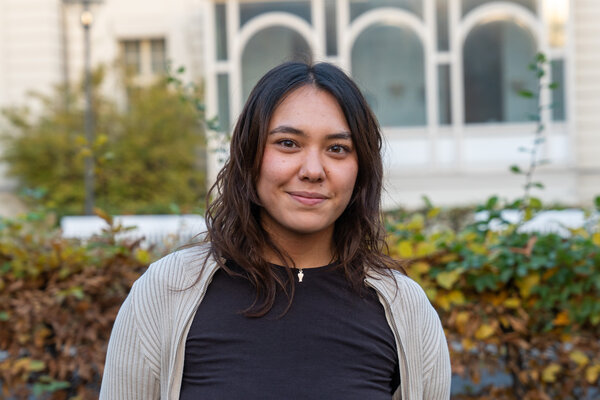
The Developmental Paediatrics Team at the DHZC

The Developmental Paediatrics Team at the DHZC




Focal points
The focus of the DHZC research area "Developmental Paediatrics in Cardiac Medicine" is on investigating the psychosocial development of children with congenital heart defects as part of interdisciplinary scientific studies. The aim is to create a basis for early diagnosis and targeted support for patients. Various scientific disciplines work closely together at the DHZC to achieve this goal. These include physicians, psychologists, social workers, nursing scientists and educators.
Other focal points of the work area are:
- "Electronic Patient Reported Outcome Measures (ePROMs)": Patients' own assessments of their state of health and quality of life are increasingly being used to evaluate treatment success.
- Concepts for family-centred care (Family Centered Care - FCC): Parents and siblings of patients with congenital heart defects play an important role in the recovery process and must be integrated into the treatment team accordingly. At the same time, the burden on the whole family must be taken into account in the treatment concept.
- The expansion of existing research networks both in the field of basic research and in clinical research work, in particular with the German Centre for Cardiovascular Research, the Competence Network for Congenital Heart Defects and the Central Registry for Congenital Heart Defects.
Focus of the work
The staff of the DHZC research area "Developmental Paediatrics in Cardiac Medicine" are investigating the psychosocial development of children with congenital heart defects as part of interdisciplinary scientific studies.
(Image: DHZC/Külker)

Focus of the work
The staff of the DHZC research area "Developmental Paediatrics in Cardiac Medicine" are investigating the psychosocial development of children with congenital heart defects as part of interdisciplinary scientific studies.
(Image: DHZC/Külker)
Current projects
Studies show that language, cognitive skills (thinking) and motor skills (movement) develop more slowly in some children with a heart defect than in healthy children. However, it is still largely unknown which children are at a higher risk and therefore need special attention. There are only a few studies that document the development of children with a heart defect in a long-term, systematic and detailed manner.
This is where the LEADER (Long-term Early Development Research) project comes in. The aim is to systematically analyse the linguistic, cognitive and motor development of children with congenital heart defects in the first years of life. In particular, these studies analyse differences between children depending on the type of heart defect, as well as individual developmental trajectories over the first years of life.
Clinical research is concerned with the question of the extent to which children with congenital heart defects differ in terms of their rate of development and which factors influence these differences. To this end, we are investigating various medical and social variables, such as complications during hospitalisation, the child's temperament or social conditions such as attendance at a day care centre and contact with primary caregivers or siblings.
The project contributes significantly to a better understanding of the causes as well as risk and protective factors of developmental delays in children with congenital heart defects. We aim to achieve a long-term and sustainable improvement in the aftercare of children with a congenital heart defect. The aim is to give these children the same opportunities in life as any other child.
In addition, the implementation of the project is a first step towards firmly integrating developmental psychological follow-up examinations into everyday clinical practice at our clinic. We are working together with the University of Leiden (Institute of Child and Education Studies, Prof. Ralph Rippe) and the University of Potsdam (inclusion education with a focus on language).
Family-centred care (FCC) is a holistic approach to the inpatient care of children. It involves professionals (doctors, nurses, etc.) and family members working together in partnership to provide the best possible medical and nursing care for the child.
Many studies suggest that this approach to care is associated with a better physical condition and more favourable development of the child and also reduces stress, anxiety and depression in the parents. Can we observe the same correlations in children with heart disease? To investigate these relationships, we have launched the "Family-Centred Care" project at the DHZC.
In several studies, we are investigating the relationship between parental satisfaction and family-centred care, parental and child well-being in intensive and normal care units, are involved in the further development of existing measurement instruments and are implementing initial measures to improve family-centred care. We work together with the University of Plymouth (School of Nursing and Midwifery, Prof. Jos Latour), the University of Leiden (Institute of Child and Education Studies, Prof. Ralph Rippe) and the Heart and Diabetes Centre Bad Oeynhausen (Centre for Congenital Heart Defects and Paediatric Heart Centre, Prof. Dr Stephan Schubert).
Survey of children with congenital heart defects or arrhythmias in preparation for a procedure (surgery or cardiac catheterisation) – Project K. I. D. Kinder Intervention Dialog
Children and adolescents with congenital heart defects or arrhythmias (syndromes) face major challenges when cardiac catheterisation or heart surgery becomes necessary. Providing appropriate information can help improve understanding of the procedure, reduce anxiety and enable young patients to play an active role.
The aim of the study is to identify the information needs of children and adolescents prior to such procedures and to work with the children to consider how they would like to be informed in future.
As part of the study, we are surveying children and adolescents between the ages of 8 and 14 with a questionnaire and, if necessary, an interview:
- what information they would like to receive before the procedure, what fears and concerns they have about the heart procedure,
- when they would like to be informed,
- who should inform them,
- what information materials they would like (e.g. conversation, video, book, comic, virtual reality tour, app, photos of the treatment rooms and the hospital).
Through the study, we want to find out what information children and young people need before heart procedures, how this information should be provided and whether the needs differ according to age, prior knowledge of heart defects or the severity of heart disease. This will enable us to create different information materials tailored to their respective needs.
Future patients should be informed according to their needs, which should reduce fears and concerns about heart surgery.
