Before lung transplant
If the lungs lose their function permanently, a lung transplant can be the last and life-saving option. The German Heart Centre at Charité is one of the leading centres for lung transplants in Germany. In close cooperation with the Charité Clinic for Pneumology, we offer patients highly specialised, interdisciplinary care - from initial diagnosis to long-term aftercare.
Indication
Who is a lung transplant suitable for?
A lung transplant may be necessary in the case of serious, incurable lung diseases. These include, for example
- idiopathic pulmonary fibrosis (IPF) and pulmonary fibrosis due to other diseases (progressive pulmonary fibrosis - PPF)
- End-stage interstitial lung disease (ILD)
- End-stage COPD
- Cystic fibrosis (cystic fibrosis, very rare)
- Pulmonary arterial hypertension (PAH)
- Condition following severe lung infections, for example during the coronavirus pandemic
- Other rare lung diseases
Early medical clarification is crucial. We are happy to advise patients and their treating physicians on whether a transplant is an option.
Waiting list
The Dutch foundation Eurotransplant is responsible for the procurement of donor organs that are harvested in eight European countries, including Germany. In this network, organs from Belgium, the Netherlands, Luxembourg, Germany, Austria, Hungary, Croatia and Slovenia are procured across borders.
In Germany, lungs are allocated according to the so-called Lung Allocation Score (LAS). This has been required by law since 2010. The LAS reflects the urgency and likelihood of success of a lung transplant for each potential recipient. It is calculated from various parameters that ultimately result in a value between 0 and 100. The higher this value, the more urgent the need for a transplant.
Important to know: The waiting time on the waiting list has no influence on the allocation of organs.
Various medical examinations are necessary to determine whether a lung transplant is required.
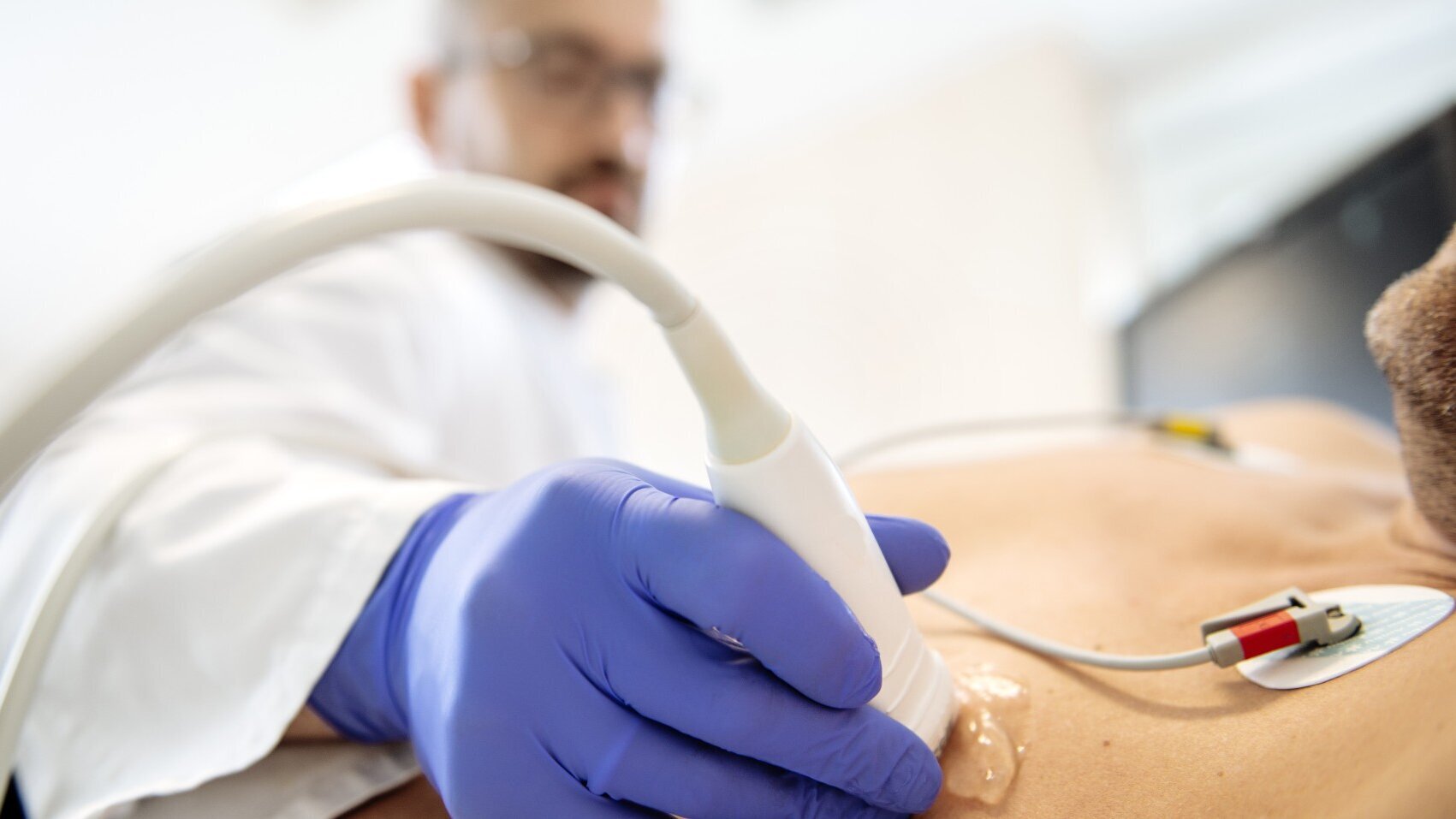
Various medical examinations are necessary to determine whether a lung transplant is required.
Prioritisation and scoring
Our experienced physicians discuss the optimal time for active listing with the patient in order to enable the best overall prognosis in terms of quality of life and lifespan. Inclusion on the waiting list only takes place if there is a calculated benefit in terms of lifespan and quality of life from a possible transplant and if there are no medical concerns;
Inclusion on the centre's own waiting list is decided in an interdisciplinary transplant conference after reviewing all examination results and documents. The listing is then reported to Eurotransplant.
The waiting lists of all centres in the Eurotransplant area are treated equally in the allocation process and form an international, common, uniform waiting list.
Important to know: Some list examinations (including blood sampling, blood gas analysis to determine oxygen requirements, spirometry, 6-minute walk test and answers to questionnaires) must be updated every 90 days for actively listed patients and every 14 days for particularly urgent listings (LAS > 50 points). This requires a outpatient clinic visit.
We carry out these tests regularly at the DHZC:
Spirometry measures how much air the lungs can take in and breathe out again. The respiratory flow rate and lung volume are also determined. The examination helps to assess how badly the lungs are already damaged.
Bodyplethysmography (‘large lung function’) complements spirometry and is a procedure for the precise measurement of lung and breathing parameters. It enables the precise measurement of all lung volumes, airway resistance and pressure changes in the chest. This method therefore enables a complete lung function test.
This test measures how far a patient can walk in six minutes. It provides information about physical resilience and oxygen supply under stress.
Blood analyses help to identify infections, inflammations and other organ functions. Tissue typing is necessary to identify suitable donor organs.
A lung transplant is a major turning point in life. For this reason, psychological stability, the social environment and adherence to treatment are also evaluated.
This psychosocial evaluation is required by law as part of a listing examination.
This non-invasive cardiac examination provides a good overview of the pumping function of the heart as well as the function of the heart valves and vessels and the general anatomy;
As the lungs and heart work closely together, a cardiac catheterisation is necessary as an invasive examination at the end of the evaluation. The right heart catheterisation (venous) shows how well the right heart is working and whether pulmonary hypertension is present. The left heart catheterisation (arterial) checks how well the heart is supplied with blood and whether there is coronary heart disease. Cardiac catheterisation is usually only carried out after all other inpatient and outpatient examinations have been completed;
In addition, these examinations are necessary and should be carried out by medical specialists outside the DHZC:
High-resolution CT images provide precise information about the structure of the lung tissue. This allows scarring (fibrosis), emphysema or inflammatory changes to be visualised, as well as changes that are suspected to be cancerous.
A bronchoscopy is a medical procedure in which the airways (bronchi) are examined using a special instrument called a bronchoscope. During this examination, a flexible tube with a camera is inserted through the airways. This allows tissue samples to be taken and inflammations or infections, as well as cancer, to be recognised.
An ultrasound examination of the abdomen is an imaging procedure in which the internal organs of the abdominal cavity are examined using sound waves. Ultrasound can be used to detect pathological changes in the abdominal cavity for orientation purposes.
Computed tomography allows pathological changes in the abdomen to be recognised very precisely.
This is intended to rule out pathological changes in the head and, in the case of the paranasal sinuses, chronic infections in particular.
The purpose of this examination is to rule out inflammation and (pre-)cancers of the oesophagus, stomach and duodenum. Reflux diseases must also be recognised and treated, as they can provoke rejection after a lung transplant.
Inflammation and (pre-)forms of cancer of the colon should also be ruled out here. Due to the frequency of bowel cancer, a colonoscopy is urgently required.
Complete dental health must be certified by a dentist. In the event of caries or inflammatory changes, the dentition must be restored and teeth removed if necessary.
This is intended to rule out or detect and treat inflammation and suspected cancerous changes in the urological area.
This is intended in particular to rule out skin cancer or hidden infections such as skin and nail fungus.
In addition to assessing the CT of the sinuses, this is also intended to rule out pathological changes, in particular infectious and suspected cancerous changes.
The ultrasound examination of the leg vessels is used for the early detection of thromboses, clarification of the vascular condition and optimisation of surgical preparation and aftercare.
The ultrasound examination of the vessels supplying the brain prior to a lung transplant serves to recognise and reduce the risk of strokes, enable safe surgical planning and identify potential contraindications at an early stage.
In our video from our #BreatheAway campaign, you can see how a bronchoscopy is performed. The patient was treated directly in our outpatient lung clinic.
Psychological support
A lung transplant is a serious procedure that is also psychologically stressful and challenges the emotional coping skills of all those affected. In order to provide you with the best possible support even when you are under psychological stress, the Psychocardiology Department at the DHZC offers all our transplant patients comprehensive psychotherapeutic support before and after the transplant, including lifelong outpatient aftercare if necessary;
In the run-up to a lung transplant, we routinely conduct preparatory and diagnostic consultations with all patients. If you wish, we can also accompany you after the operation during your inpatient stay at the DHZC. This offer also applies to close relatives of our patients.
Psychotherapeutic counselling can help our patients to maintain their emotional well-being and inner strength during the often lengthy treatment processes or waiting times for an organ transplant.
Please do not hesitate to contact us if you would like psychological support! During an inpatient stay, please contact the doctors or nurses treating you on the ward or the doctors or nurses of your relatives. They will then pass the information on to us accordingly. For outpatient treatment at the DHZC, please contact your attending physician;
Psychocardiology department at the DHZC
Organ donation and donor lungs
Complete anonymity to protect privacy
Important to know: In Germany (and similarly in many other European countries), in the case of a lung transplant, it is not disclosed from whom or where the organ comes from. The organ donation takes place anonymously. The name, origin and exact identity of the donor are therefore not disclosed. The donor's relatives also do not find out who receives the organ.
This regulation serves to protect the privacy of both parties, i.e. the donor's family and the recipient.
Anyone can make a personal decision for or against organ and tissue donation either in the organ donor card or, since 2024 also in the nationwide organ donation register digitally.
As a potential organ recipient, you can also be registered in favour of organ donation at the same time. This has no influence on organ procurement in the event of receipt;
Anyone can make a personal decision for or against organ and tissue donation either in the organ donor card or, since 2024, digitally in the nationwide organ donation register.
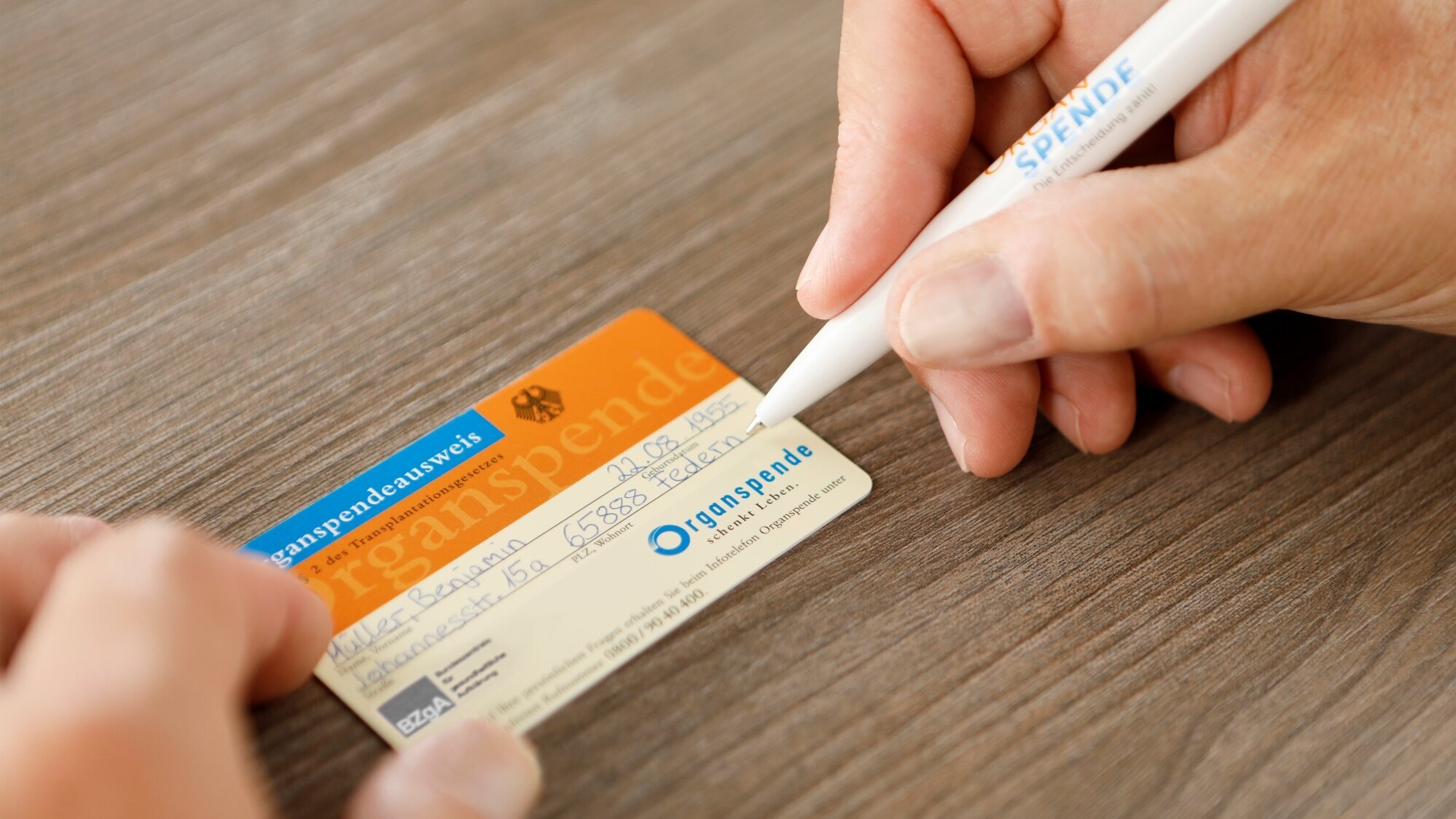
Anyone can make a personal decision for or against organ and tissue donation either in the organ donor card or, since 2024, digitally in the nationwide organ donation register.
Legal regulations on organ donation
Organ donation in Germany is regulated by the Transplantation Act. This law strictly separates the areas of organ donation, organ procurement and organ transfer in order to rule out conflicts of interest. The Transplantation Act forms the legal basis for organ and tissue donation. It came into force in 1997;
Since 1 March 2022, the ‘Act to Strengthen the Willingness to Decide’ has been in force. It aims to promote and document the personal decision to donate organs. The aim is to improve education about organ donation and to inform citizens regularly about their options for example through the introduction of a nationwide online register, targeted information from GPs, information materials from a permanent organ donor centre and a nationwide register: information materials and firmly anchoring the topic of organ donation in first aid courses. The law is based on the decision solution: organs and tissue may only be removed if the deceased person consented to this during their lifetime. If there is no documented decision, the next of kin are asked.
The objection rule, on the other hand, is currently not authorised in Germany. In countries where this applies, every adult capable of giving consent is a potential organ donor unless he or she has expressly objected.
Donor organs are legally distributed via the non-profit Foundation Eurotransplantin Leiden/Netherlands and transport is organised via the German Organ Transplantation Foundation (DSO). The donor organs usually come from donors who have died of brain death from the eight participating countries of Eurotransplant (including Germany).
Tissue characteristics, in particular the blood group and organ size, are the most important distribution characteristics for the lungs. The organ is then allocated according to the highest LAS (Lung Allocation Score). The gender and age of the donor generally play no role in the allocation process;
Blood samples must be taken from potential recipients at the transplant centre to determine the tissue characteristics in advance;
If the lungs lose their function permanently, a lung transplant (LTX) can be the last and life-saving option. The German Heart Centre at Charité is one of the leading centres for lung transplants in Germany. In close cooperation with the Charité Clinic for Pneumology, we offer patients highly specialised, interdisciplinary care - from initial diagnostics to long-term aftercare.
Inquiries about lung transplantation
At the DHZC, patients receive comprehensive care before and after a lung transplant in our ‘University Outpatient Clinic for Transplantation Medicine’. The first contact with us is usually made by your attending physician. The listing process begins with the enquiry. After a detailed diagnosis, we plan a possible listing together. You can find out more about this on the page Before lung transplantation.
For the first step, we ask you to provide the following data, information and findings:
- Registration form
- Doctor's letter
- Details on the diagnosis
- Lung function
- Blood gases/oxygen demand
- Resilience
- Concomitant diseases
- Other relevant findings
This data is important for us to be able to assess the type and urgency of the transplant. If necessary, we will ask you for further information. The documents can be submitted by e-mail, fax or post.
We will then arrange an appointment with you for your first consultation. You will need the following documents for this outpatient appointment:
- Referral
- Health card (insurance card)
- Unnecessary: Your medication plan (standardised medication plan in accordance with § 31a of SGB V, available from your GP)
- CT on CD incl. written findings or via upload portal
- Vaccination card
- Requested documents (ultrasound of the abdomen and heart, findings of the dentist and gynaecologist, laboratory values)
- We do not issue transport tickets, please bring one for the outward and return journey if required.
During this appointment we will carry out a selection of the following diagnostics:
- Recording of vital signs, blood pressure, pulse, height, weight
- Determination of current blood values
- Bodyplethysmography, blood gas analysis to check the oxygen requirement
- If necessary, diffusion measurement
- Measurement of respiratory muscle strength if necessary
- Six-minute walk test
- If applicable, 5 times sit to stand test (5STST)
- 12-lead ECG
- Echocardiography (if necessary supported by contrast agent administration)
At the same appointment, we will then discuss the results with you and our assessment of a possible inclusion on the Eurotransplant list.
The necessary evaluation diagnostics to be organised with your family doctor will then be discussed;
Contact
Telephone availability of the outpatient clinic:
We prefer contact by e-mail.
For patients and doctors:
T: +49 30 4593 2141, +49 30 4593 2140
F: +49 30 4593 2143
Management and contact persons
Maren Godde and Dr. Laurenz Kopp Fernandes are the medical directors of the outpatient clinics at the DHZC Clinic for Cardiac, Thoracic and Vascular Surgery;
Heike Bettmann is the nursing manager of the transplant outpatient clinic at the DHZC. She and her team accompany patients before and after transplantation. As an experienced contact person, she coordinates procedures, looks after relatives and ensures that our patients feel that they are in good hands at all times.
Patients who have been transplanted at the DHZC are automatically treated in our lung transplant outpatient clinic after discharge from hospital. Our experienced team will contact you to arrange regular check-ups. Our doctors and nurses in the outpatient clinic will also be happy to answer any acute questions or problems you may have.
Patients who have received their donor lungs at another clinic and want to transfer to the DHZC transplant outpatient clinic are also welcome to contact us. We will check your documents and findings and will be happy to arrange an appointment with you after consultation with the transplant centre.
Checklist for your first appointment in our outpatient clinic
Various documents are required for registration at the outpatient clinic. Please bring these documents with you to your appointment at our outpatient clinic:
- Referral
- Health card (insurance card)
- Your medication plan (it is best to ask your family doctor beforehand)
- Your CT results including written findings (on a data carrier, alternatively we can enable you to upload them)
- Your vaccination card
- Further documents requested by us, such as ultrasound of the abdomen and heart, dentist's findings or laboratory results
Diagnostics
During your appointment in our outpatient clinic, we will carry out a selection of the following diagnostic tests in addition to the nursing admission:
- Recording of vital signs, blood pressure, pulse, height, weight
- Determination of specific blood values relating to the transplanted organ, the immunosuppressive therapy and possible effects on other organs in the body such as the liver and kidneys
- Bodyplethysmography, blood gas analysis to check the oxygen requirement
- Reading out the asthma monitor
- If necessary, diffusion measurement
- Measurement of respiratory muscle strength if necessary
- Six-minute walk test
- If applicable, 5 times sit to stand test (5STST)
- 12-lead ECG
- Echocardiography (if necessary supported by contrast agent administration)
Once a year, we will perform a chest X-ray on you. This is an examination of the chest using X-rays to visualise possible changes.
Contact us
Telephone availability of the outpatient clinic:
We prefer contact by e-mail.
For patients and doctors:
T: +49 30 4593 2141, +49 30 4593 2140
F: +49 30 4593 2143
Additional doctor-doctor contact by e-mail.
Management and contact persons
Maren Godde and Dr. Laurenz Kopp Fernandes are the medical directors of the outpatient clinics at the DHZC Clinic for Cardiac, Thoracic and Vascular Surgery;
Heike Bettmann is the nursing manager of the transplant outpatient clinic at the DHZC. She and her team accompany patients before and after transplantation. As an experienced contact person, she coordinates procedures, looks after relatives and ensures that our patients feel that they are in good hands at all times.
Your contact persons


Dr Paul Schmidt-Hellinger is a specialist in internal medicine and pneumology. His clinical and scientific work focuses on stress management in extreme situations. As a senior physician in the lung transplant programme, he has extensive experience in caring for and preparing patients for transplantation.