
"One of the best paediatric cardiology centres in Europe"
Luize Bidina from Lettland
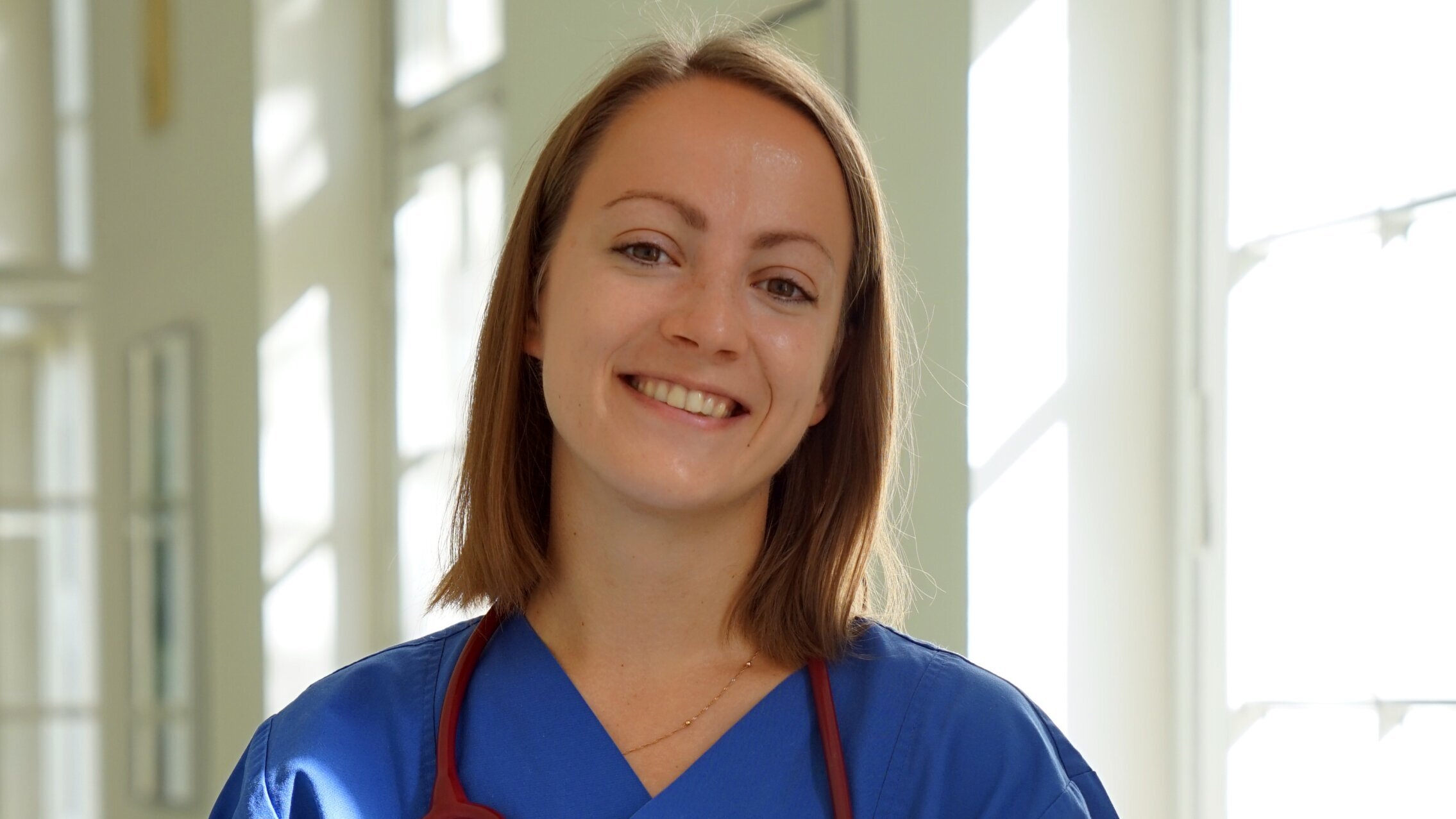
Luize Bidina from Lettland
Why did you choose cardiology?
I've been interested in cardiology since I was 15 years old. My aunt was a paediatric cardiologist. The first time she did an echocardiogram for me and I heard the sound of my heart - it was a magical moment. I found this pumping organ very powerful and enchanting. Later I even did a science project at school on "congenital heart disease". During my first years at university I was interested in both adult and paediatric cardiology, but after the third year I already knew that I only wanted to work with children. So far, my enthusiasm for paediatric cardiology has not waned. I love it!
Why did you choose the DHZC for an internship?
I know the German Heart Centre at Charité as one of the best centres for paediatric cardiology in Europe. I knew that I would visit this clinic at some point in my career. When I worked in another large paediatric cardiology centre at Great Ormond Street Hospital in London, I realised how important it is to see how patients are treated in different clinics. And how important it is for a doctor from a small country to gain experience in such a busy centre as the DHZC. In March 2018, I met Dr Stanislav Ovroutski, a cardiologist at the German Heart Centre Berlin. He came to our hospital in Latvia to consult some of our patients. Thanks to the initiative of our cardiac surgeon Dr Valts Ozolins and Dr Ovroutski, I was able to organise my internship here.
What is special about the German Heart Centre at Charité?
The DHZC is one of the reference centres for paediatric cardiology in Europe. This centre has very good experience with heart transplantation, ventricular assist devices and the care of patients with univentricular cardiac physiology.
Is there a typical utensil that best reflects your work?
If I had to choose a symbol for my work, it would be a question mark. Why would that be? Because I'm constantly asking "Why?". Since medicine can sometimes be subjective, I appreciate working and learning in an environment where constructive questions are a way to optimise a treatment plan.
What does a typical day at the DHZC look like?
Every day is different for me. I was in the outpatient department, the intermediate care unit, the intensive care unit, the cardiac catheterisation lab and the operating theatre. On the intermediate care ward and the intensive care unit, the day starts with a detailed handover of all patients. I then accompany the junior doctors on their rounds. The most fun part of the day is the echocardiography and discussing the treatment plan, the choice of surgery and/or intervention, possible long-term results. If there is a heart transplant or any challenging surgery, I always go to the operating theatre to watch.
What advice would you give to future interns?
Be enthusiastic, ask lots of questions, read local guidelines, share your experiences with others and love cardiology as much as I do. And smile - that always helps!
In an interview, she explains why she decided to do an internship at the DHZC and what her typical working day looks like.
